Off to Korea
The problem with going to East Asia is that once you’ve gotten all the way across the Pacific, things start to feel a lot closer, tempting you into more and more travel. My friend talked me out of visits to Shanghai or Hong Kong, because they’re actually still kind of far away, but we did agree on one short trip: Seoul, the capital of South Korea—just a two hour and twenty-minute flight from Japan. We secured housing for my friend late last week, and she is set to move in on July 1. What better way to pass the interceding time than by touring around?
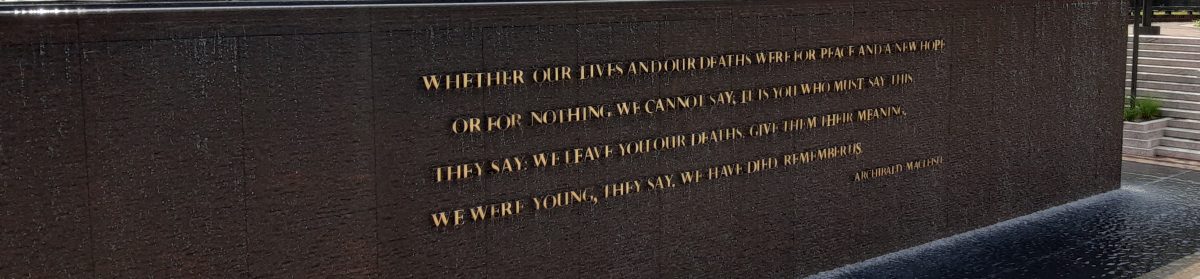
I first came to know Korea through a childhood (and ongoing!) love of M*A*S*H and Chaim Potok’s novel The Book of Lights, which is loosely based on Potok’s own experience as a Jewish chaplain in the American Army during the Korean War. It is an interesting, and relatively rare, assessment of the total lack of intersection between Judaism and the Far East, one which tests the young rabbi’s faith as he ponders what it means to be a member of a “chosen people” when so much of the world seems to have gotten on fine without any Jews at all. But all of this is really to say that I came to know Korea first through war, and specifically through the lens of American involvement in a conflict in, as the National Korean War Memorial in Washington puts it, “a land they never knew and a people they never met.”
Perhaps we know them a little better now! Like a significant subset of the American population (largely: the ones who didn’t become obsessed with British murder mysteries), I passed a good part of the monotony of the COVID lockdown by watching a lot of K-dramas. Like a significantly smaller subset, I followed this rabbit hole down to learn more of Korea’s history, both ancient and modern, and its language. They are deeply intertwined: unlike Chinese and Japanese, Korean uses a phonetic alphabet known as Hangeul, which is made up of building blocks meant to represent the different shapes a human mouth makes when it forms sounds. Perhaps uniquely in the world, Hangeul was designed by a king for his people: it was sponsored, and some historians claim invented entirely, by the 15th century King Sejong of the Joseon Dynasty, who realized that the extreme difficulty of memorizing endless lists of characters was impeding his people’s ability to read. “My people cannot write characters even though they have hands, and can’t read characters even though they have eyes,” he wrote, explaining his decision. “Joseon needs new characters that are suitable for its people.” Sejong and his court worked on the creation of this alphabet for years, testing it out through the transcription of several major works before disseminating it throughout his kingdom. It was not fully adopted for several centuries, but today it is the primary alphabet used for nearly everything in Korea. For this, and for his support of the invention of tools that would help farmers and reduce taxes on the poor, Sejong remains the most widely beloved king in Korea’s history, and Seoul’s major performing arts center is named for him.
It is said of Hangeul that a wise man can learn it in an afternoon, and even a foolish man in a few weeks. It took me probably a few months, but it made for an excellent pandemic hobby. By early 2021 I was invested enough that I had checked out a grammar book and read that cover to cover, because I was in grad school and in quarantine and my method for learning the world was largely restricted to books. All of which is to say that I came to Korea armed with an ability to read the signs, however slowly, and with enough of a grasp of the language to not only order food, but to ask a waiter to modify a dish so that it did not have meat in it, all thanks to a monarch who had wished to make the world more accessible to his people. Imagine if Henry the Eighth had left such a gift behind to the English.
Looming Shadows
Korea’s history is a story of a country much larger than it is now. Early prehistory gradually coalesced into small states that reached into parts of present-day Russia and China, which in turn became the Three Kingdoms (Silla, Goguryeo, and Paekche). Following lots of fluctuating of borders, infighting, and shifts in control the kingdoms were unified first under Goryeo (from which we get the modern English name “Korea”), which controlled the peninsula from 918 to 1392, and subsequently Joseon, which (including a brief effort to declare the Korean empire from 1897 to 1910 to avoid colonization) lasted until the Japanese colonized Korea in 1910. Japanese control lasted until the end of World War II, at which point the country, caught up in competing visions for independence and the global onset of the Cold War, dissolved into a war that was both civil and global in nature. Since 1953, the country has been fractured in half at the 38th Parallel, leaving South Korea to navigate a history that no longer entirely belongs to them.
This modern history bleeds through many of their historical sites. Probably the top place to visit in the city is the massive Gyeongbokgung Palace, the main royal palace of the Joseon Era. Streams of visitors come through every day, many in hanbok, the traditional Korean dress, because all five palaces in Seoul grant free entry to anyone of any nationality clad in the traditional garb. We were a little too sensitive to Western beliefs about cultural appropriation to try it (and, I might note, a hanbok rental costs significantly more than the 3,000 won/$2.5 USD that it costs to just pay for entry into the palace). When we mentioned it to our Airbnb hostess later, who ran a local café in our neighborhood, she shook her head and said most Koreans have no idea why anyone would want to dress up in a hanbok and parade around the grounds to begin with.
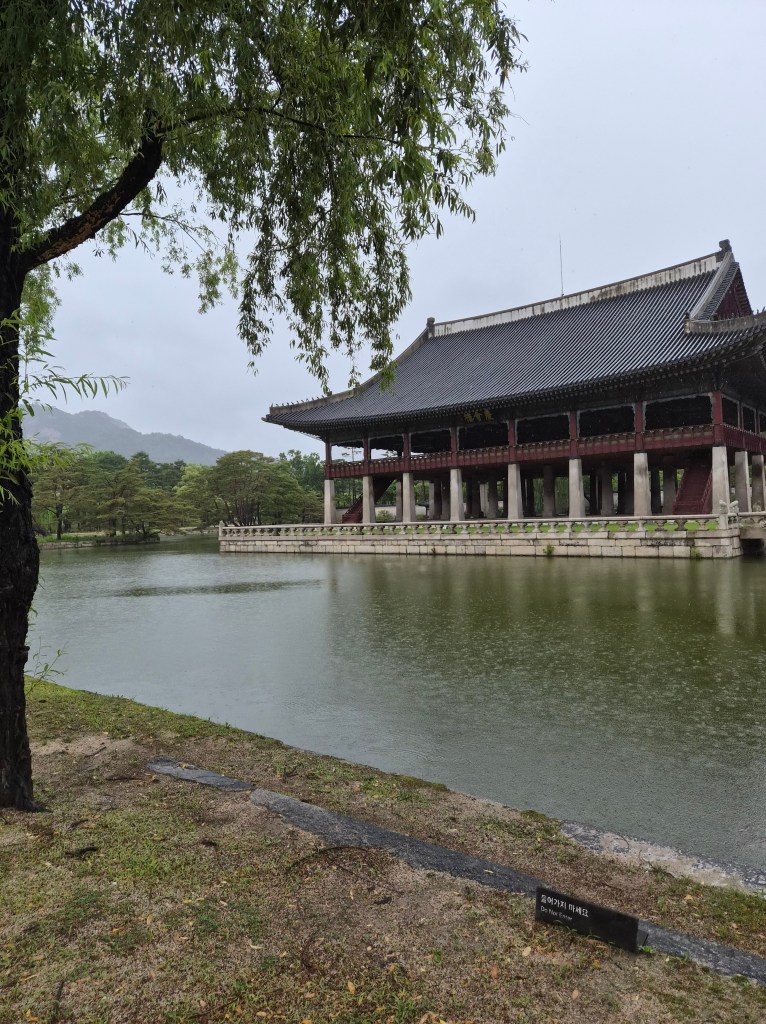
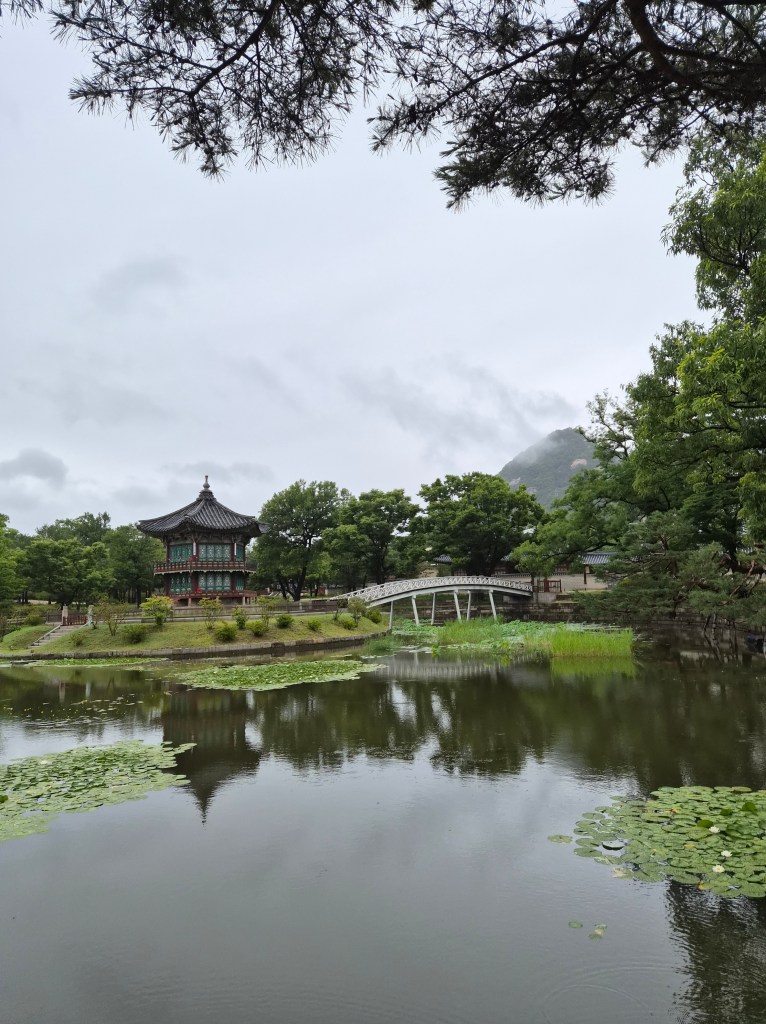
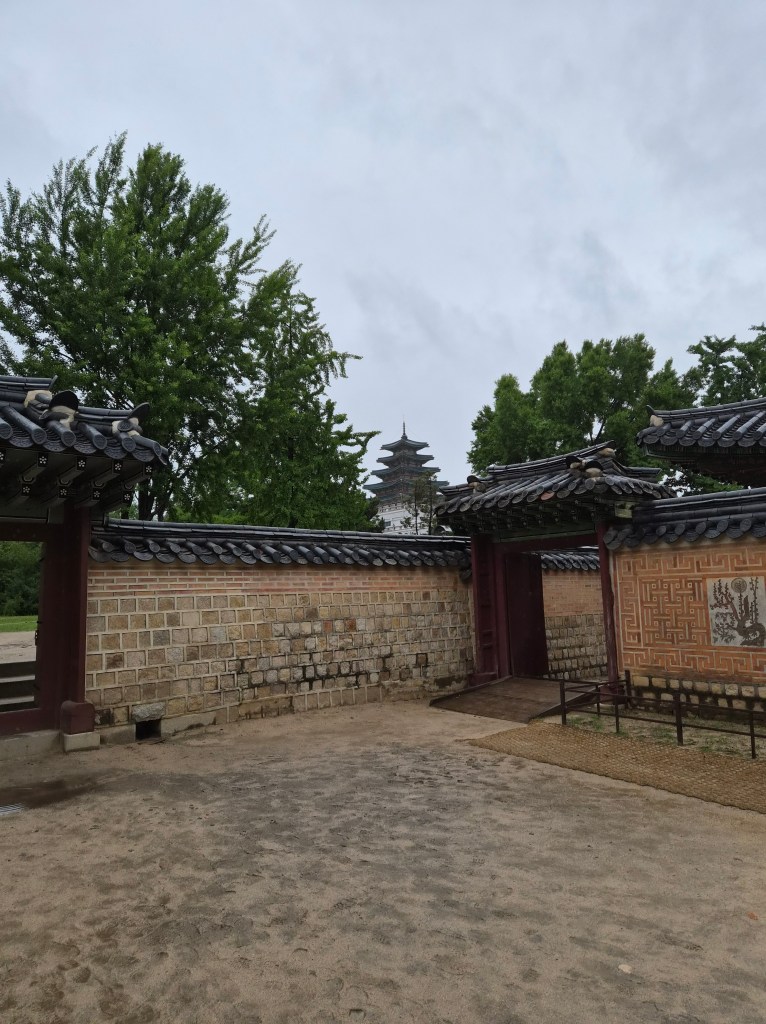
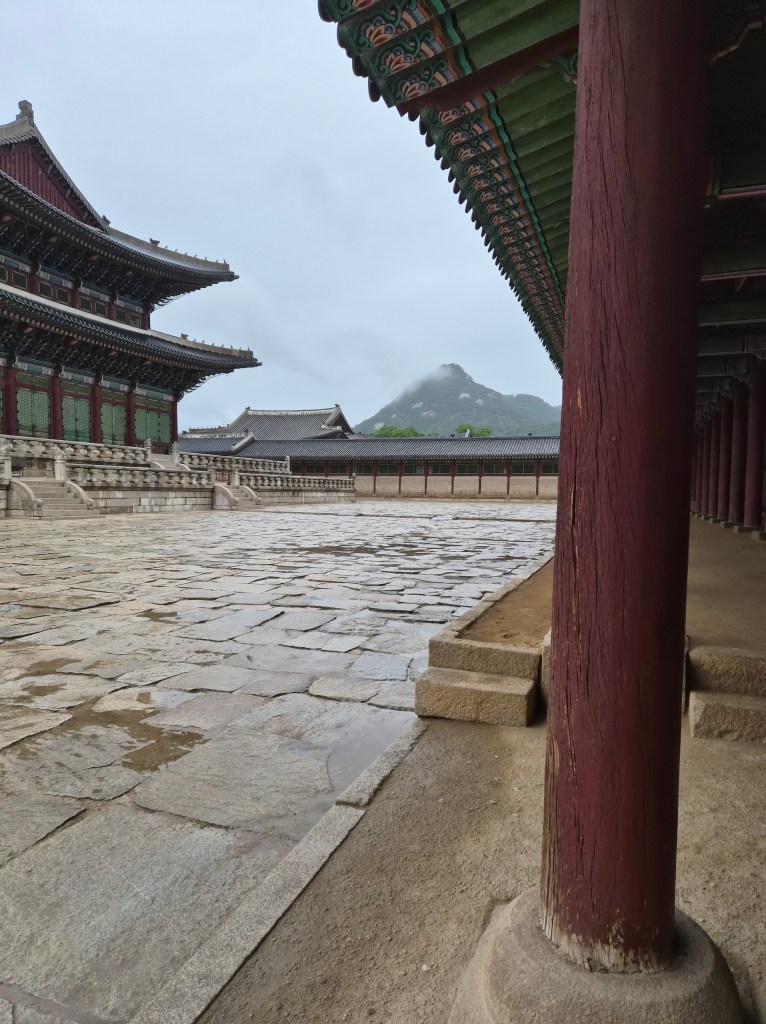
But the enormity of the grounds disguises the fact that there is very little actually there: the entire palace is a recreation, both of the original site, which was destroyed by the Japanese in a sixteenth century invasion and left derelict for more than 250 years, and of the replacement site, which was rebuilt in an effort to promote the power of the Korean government in 1867 and almost completely dismantled and destroyed by the Japanese during the colonial period. The current restoration project dates only from 1990, and some of the buildings are clearly brand new. Even now, less than half of the original site has been rebuilt. The nearby Palace Museum, which offers a helpful overview of the inner workings of the Joseon monarchs and their courts, avoids talking about the earlier Japanese incursion or strife in the palace in general. (No mention is made, for example, of Prince Sado, a mentally-ill eighteenth-century prince who regularly murdered servants and refused to wear clothes, and who was sentenced to ritual suicide by his father, who locked him in a rice chest and left him to die). It also ends abruptly at the close of the Korean Empire in 1910, and leaves the visitor to wonder about the fate of the palace in the hands of the Japanese.
The Japanese are an interesting, vicious shadow across this part of the peninsula. On my second night in Japan I had called into a friend’s dissertation defense that focused on American soft power across Korea, including military bases still maintained in the country (the Armed Forces lounge at Seoul Station, for example, is open to American military members serving in Korea as well as ROK soldiers). I had expected some anti-American sentiment, however small. Instead, enmity seems focused on the national level entirely at the Japanese. Anything they destroyed, you hear about. Any place of anti-Japanese resistance, you locate. Anything that was once part of Korean culture – for example, the Korean tiger, which the Japanese hunted to extinction during the colonial period – you are aware of. My friend benefitted from being a dual citizen here: she could pass herself off as American and incur no particular resentment. But the mosquitoes, which have been absolutely vicious to me in Japan, left me alone in Korea and went after her instead. I guess they recognized an imperialist descendant.
K-Everything
Those who want to learn more about traditional Korean life and the ways it has adjusted to the modern world can leave the grounds of Gyeongbokgung Palace at the back to visit the Korean Folk Museum, opened as a colonial project by the Japanese in 1924 (the museum does not mention this), reopened as part of the National Museum of Korea in 1946, and rebranded as the National Folk Museum of Korea in 1993. The museum has three permanent exhibitions showing the ways that Korean culture is built around nature, from the styles of clothing worn to the way life changes through the passage of the seasons. It reckons, too, with the mass exportation of Korean culture, featuring videos of modern Koreans reflecting on the strange experience of finding their culture suddenly so well-known abroad.
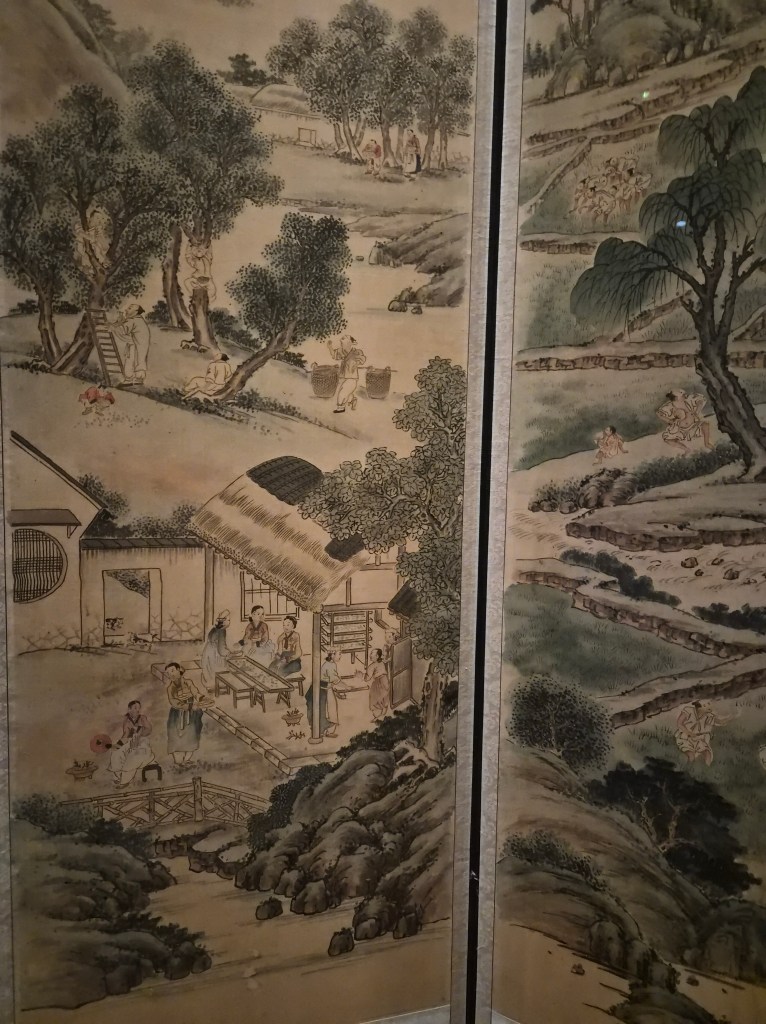
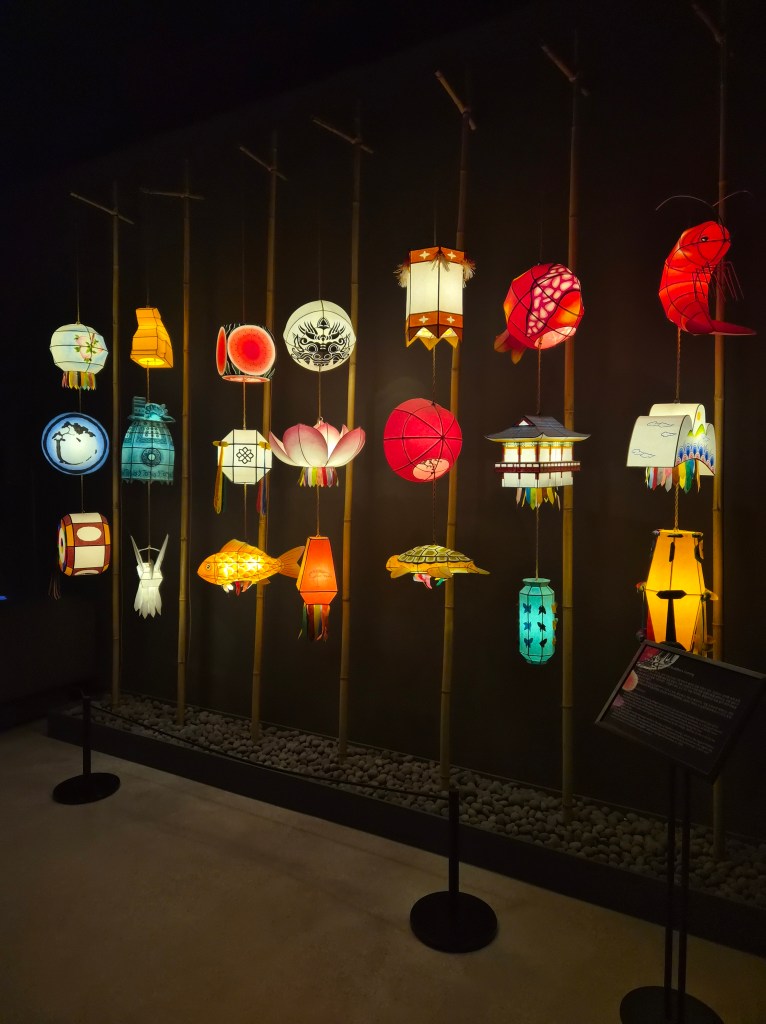
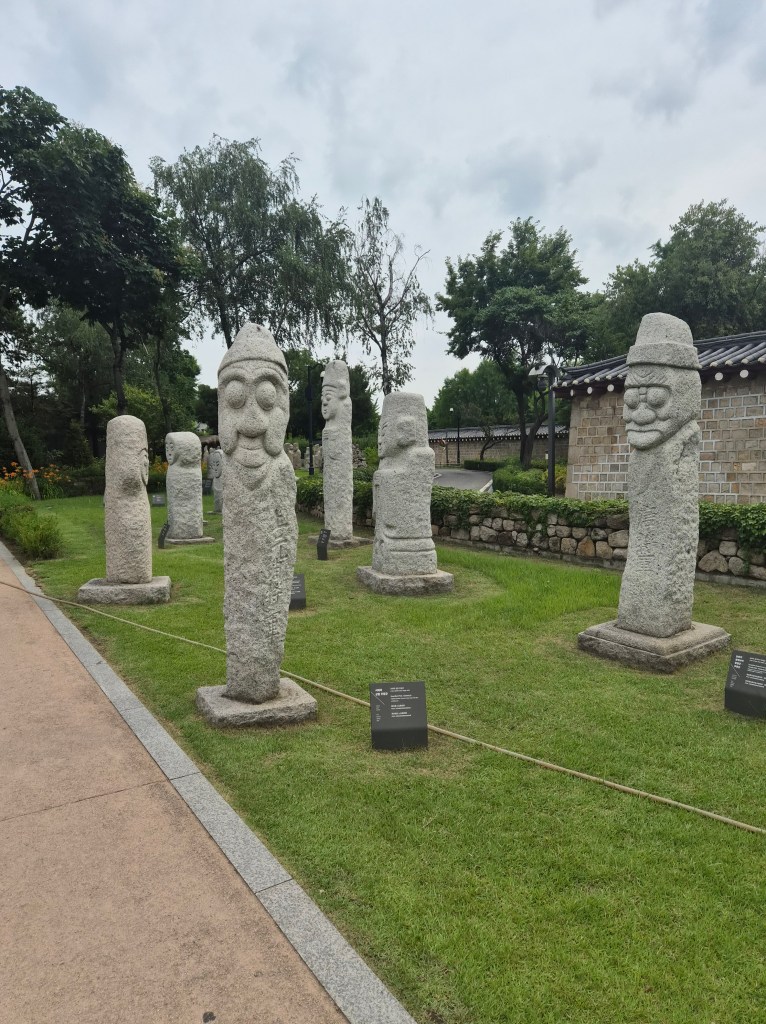
Despite the exportation of K-pop, K-dramas, and K-culture, as the government calls it, visiting Korea felt a little like the stories I’ve heard of tourists twenty or thirty years ago in other parts of East Asia. Parts of Seoul are well-trodden by foreigners, of course, particularly its museums and its shopping districts. But if Japan is a country built in the valleys between its mountains, Seoul is a city facing that challenge on a micro scale, dodging and weaving around mountains that separate the city’s neighborhoods. Most of the mountains are fitted for hiking, with stairs and trails and viewing decks, and many of the elders of Seoul hike them nearly every day. Our first morning, we went up in the pouring rain into the mountains behind our Airbnb and met two eighty-year-old women at a rain shelter who were only too excited to find foreigners in their midst. Unprompted, they offered apricots and hodu-gwaja, walnut-shaped pastries filled with red bean and chopped pieces of walnut. One had a daughter living in California; both knew a little English but encountered foreigners rarely enough that they wanted a photo with us and FaceTimed their other foreign friend to see if we perhaps knew each other. (His name was Dave, and sadly we did not). They advised us to carry on up the path to a rest area at the halfway point of the mountain, where we could see a stunning view of the city below and visit the bookstore/cafe/performing space inside the rest area. And then they went on their way, two women born before the Korean War tore their country apart, hiking up the mountain. They had been friends for fifty years.
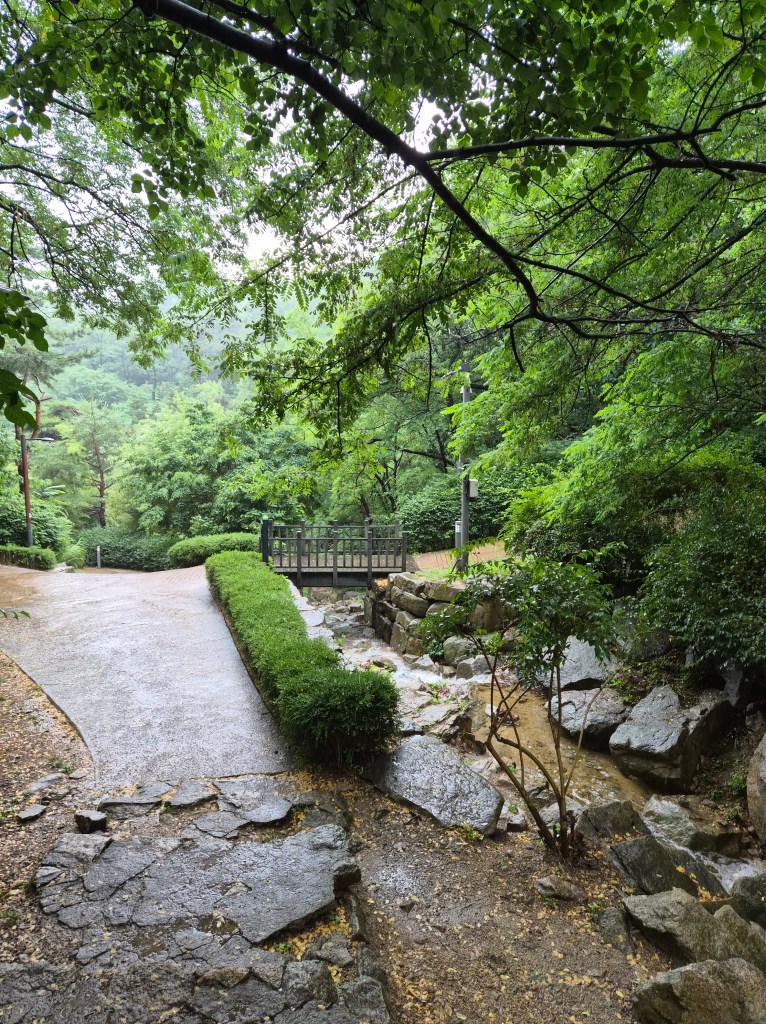
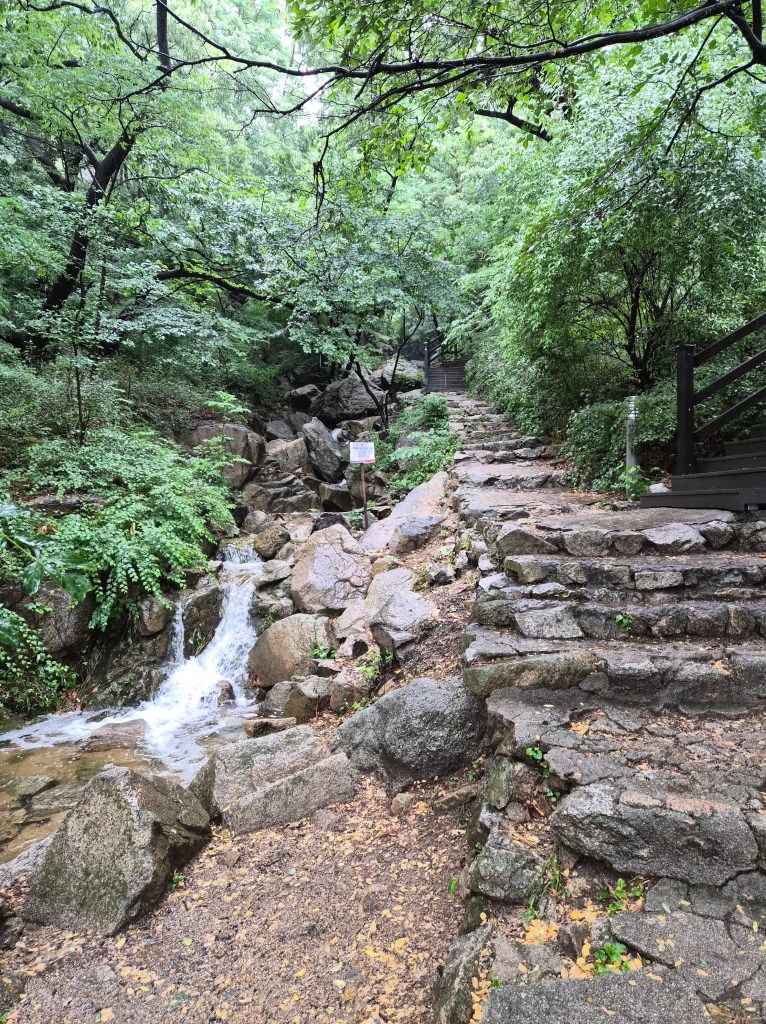
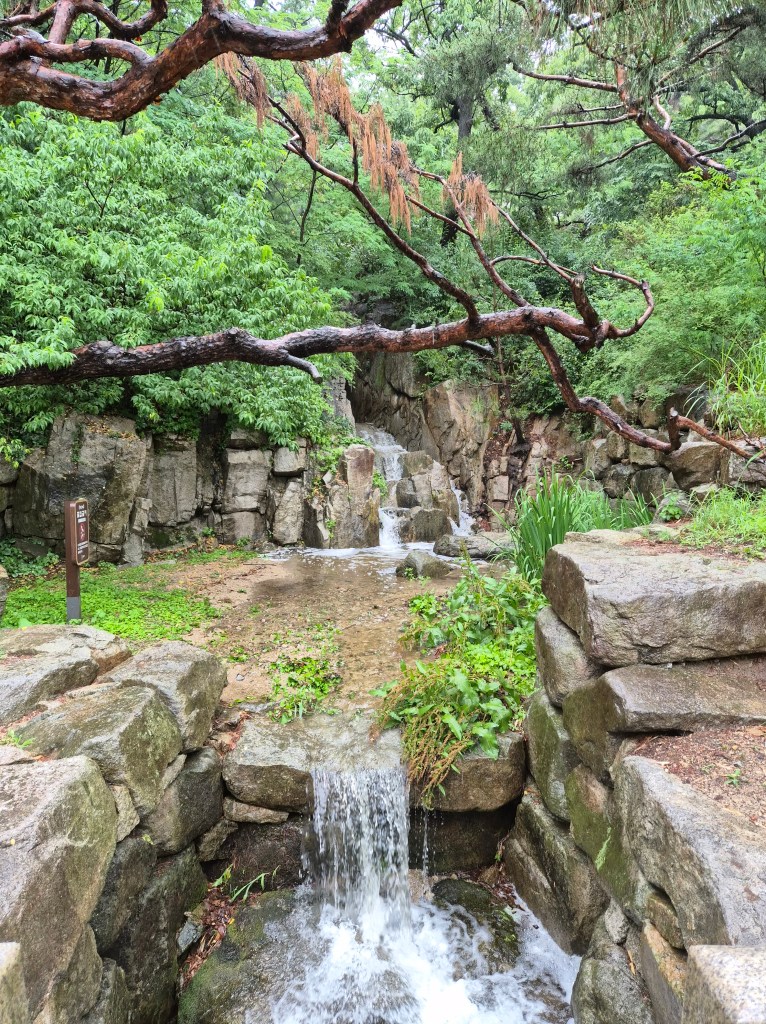
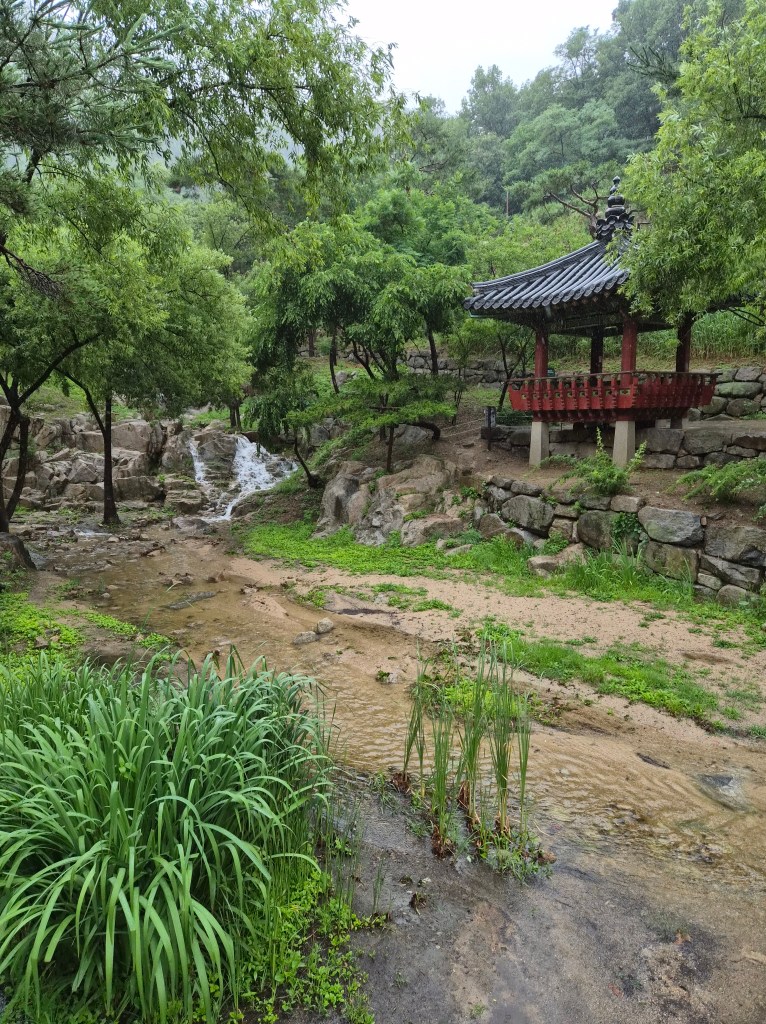
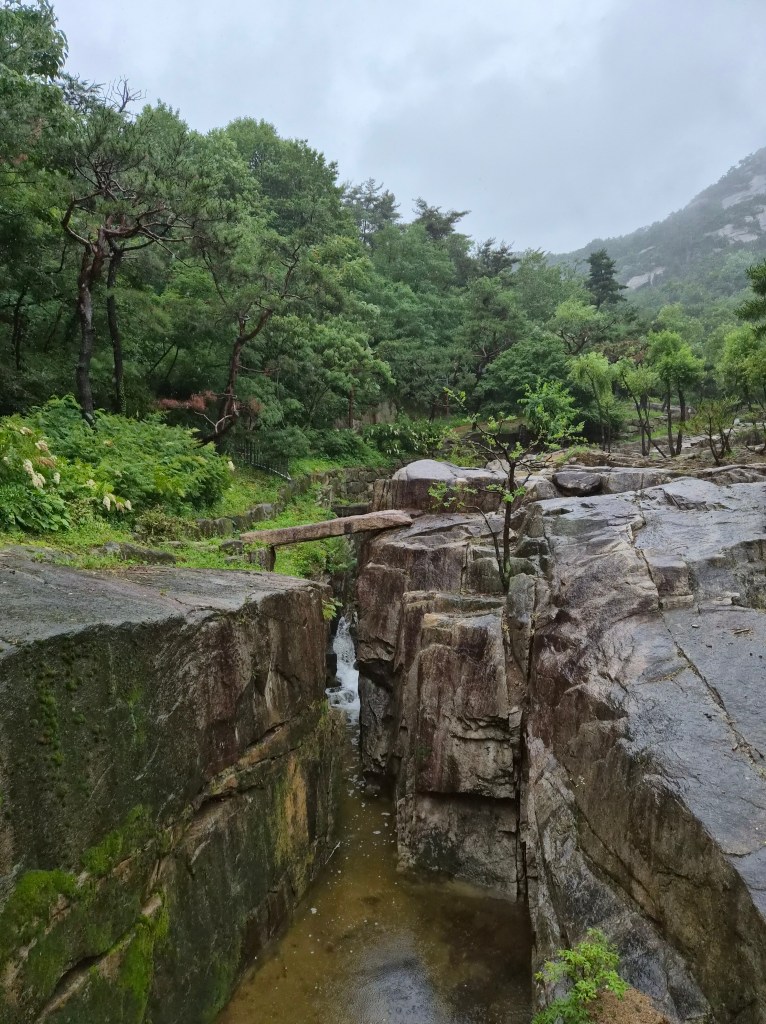
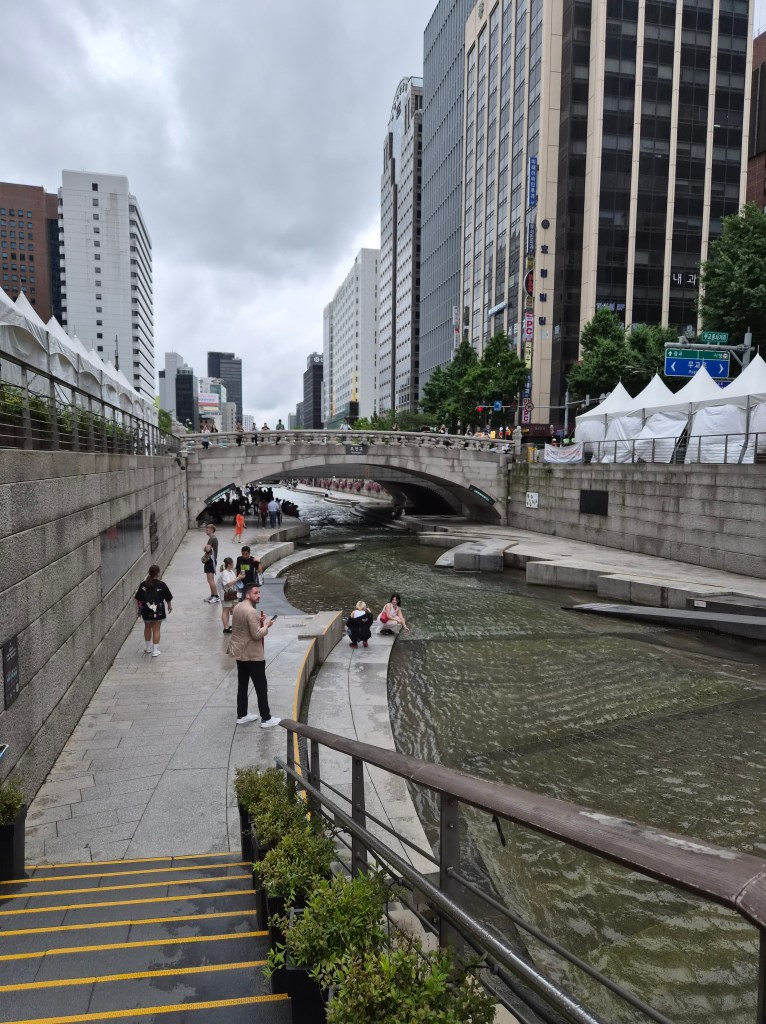
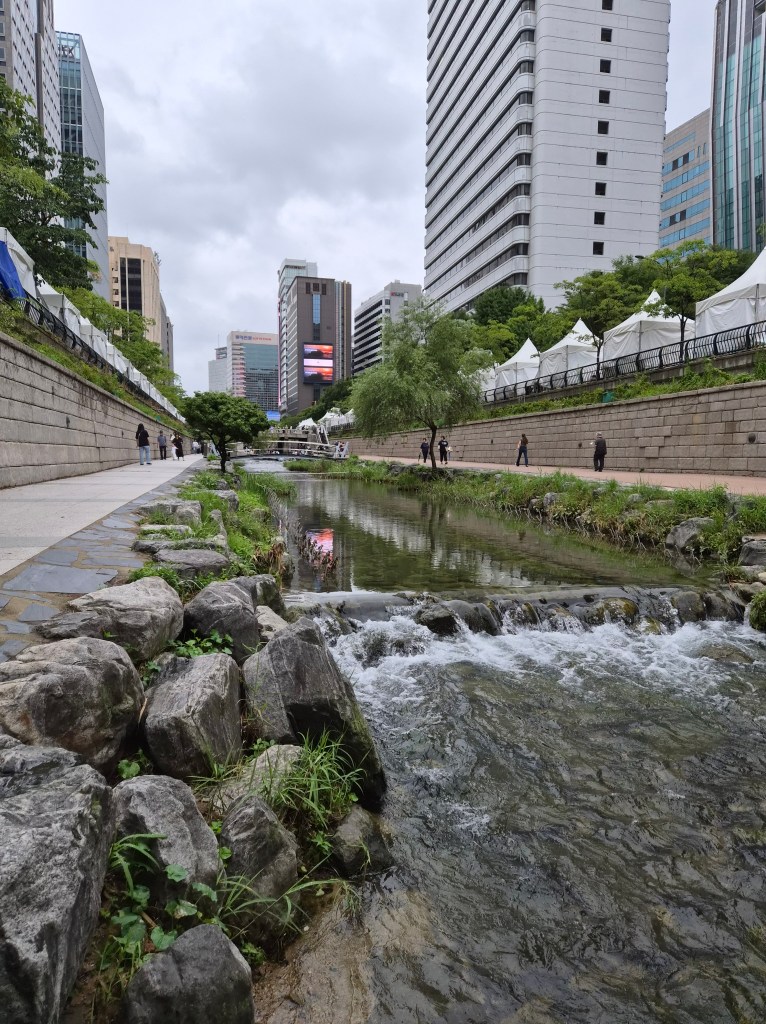
The hiking path we were on was relatively new to Seoul, part of the city’s effort to beautify itself and create more environmentally friendly spaces. Until the nineties, the stream we hiked next to had been covered over in concrete. It carries down into the heart of the city, where it has been uncovered and shaped into a shallow stream that families can picnic along in the summer. We saw traces of this environmental thoughtfulness all over, from parks built to deaden the sound of nearby highways to the city’s countless hiking trails and pathways along the Han River.
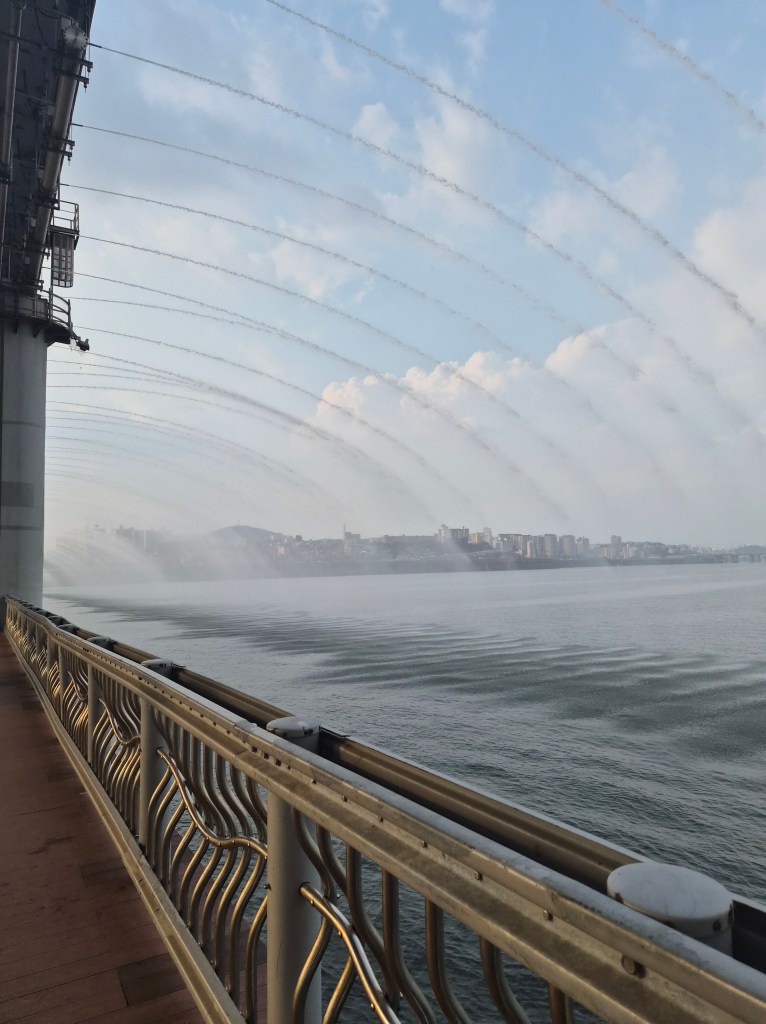
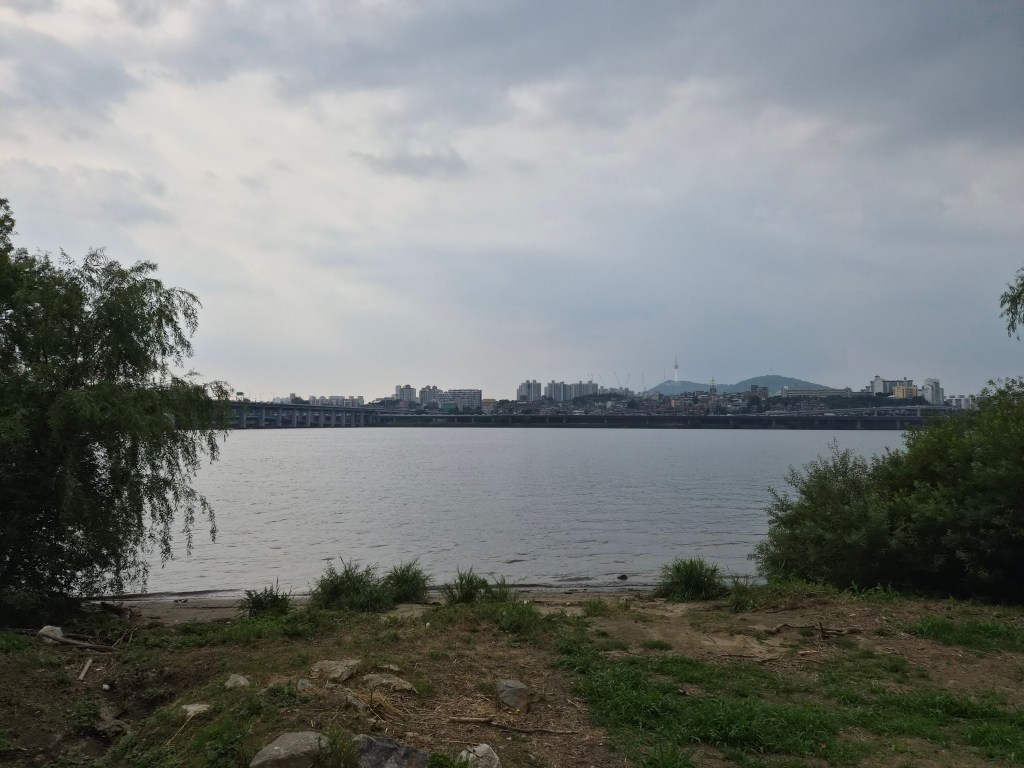
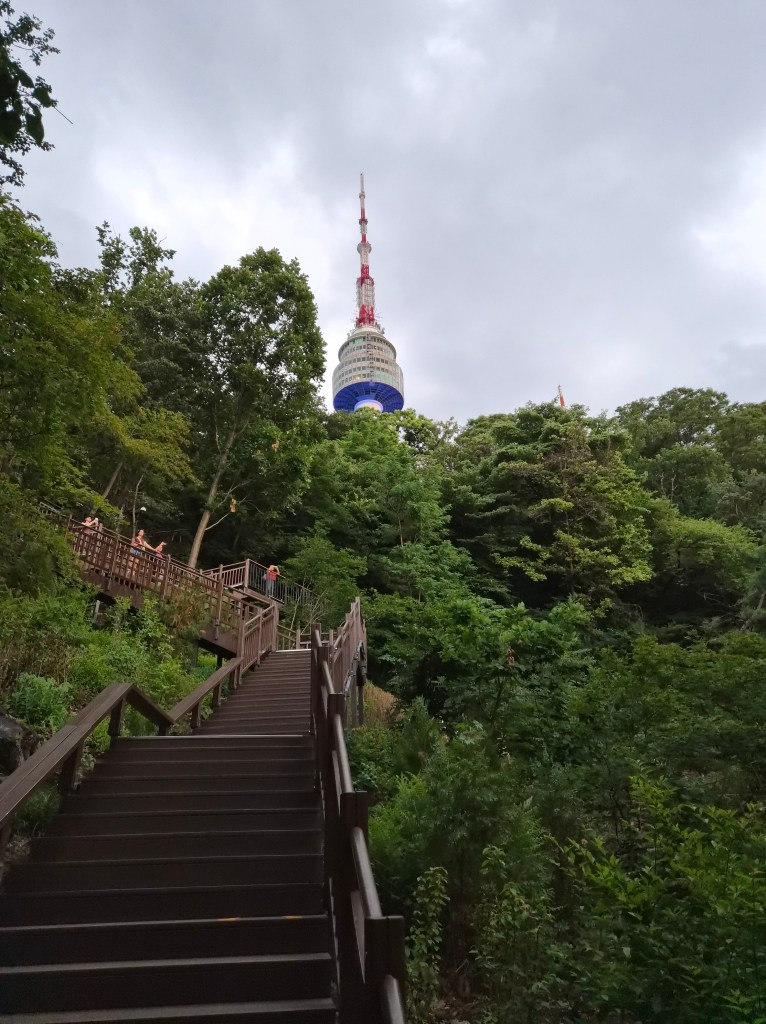
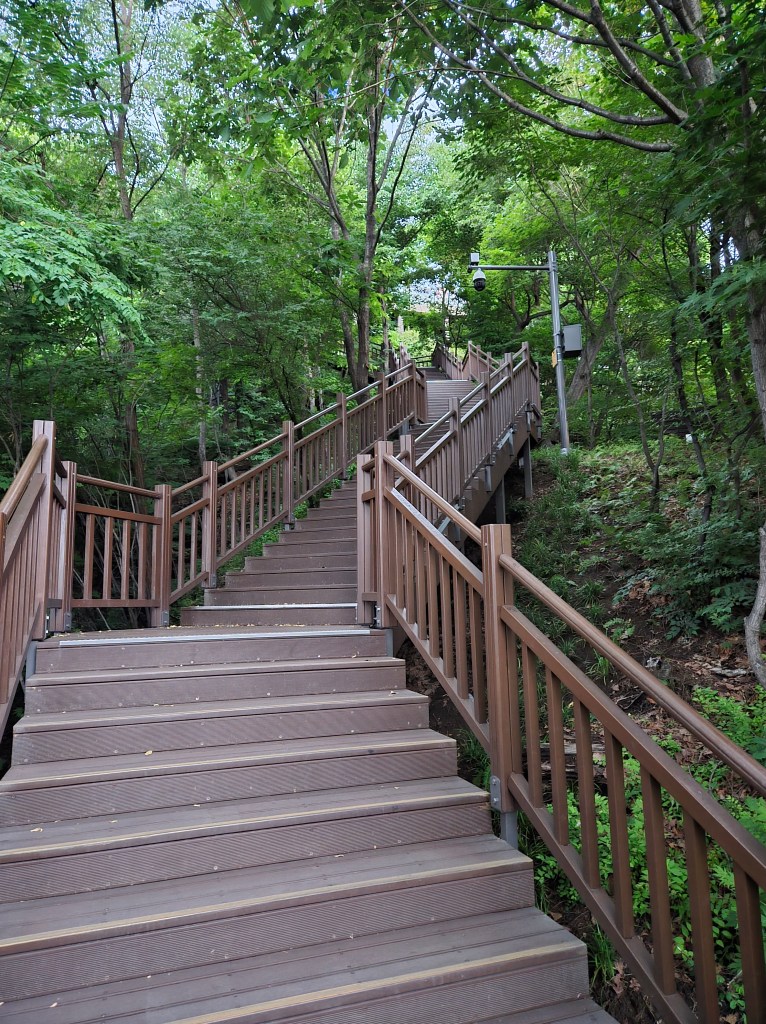
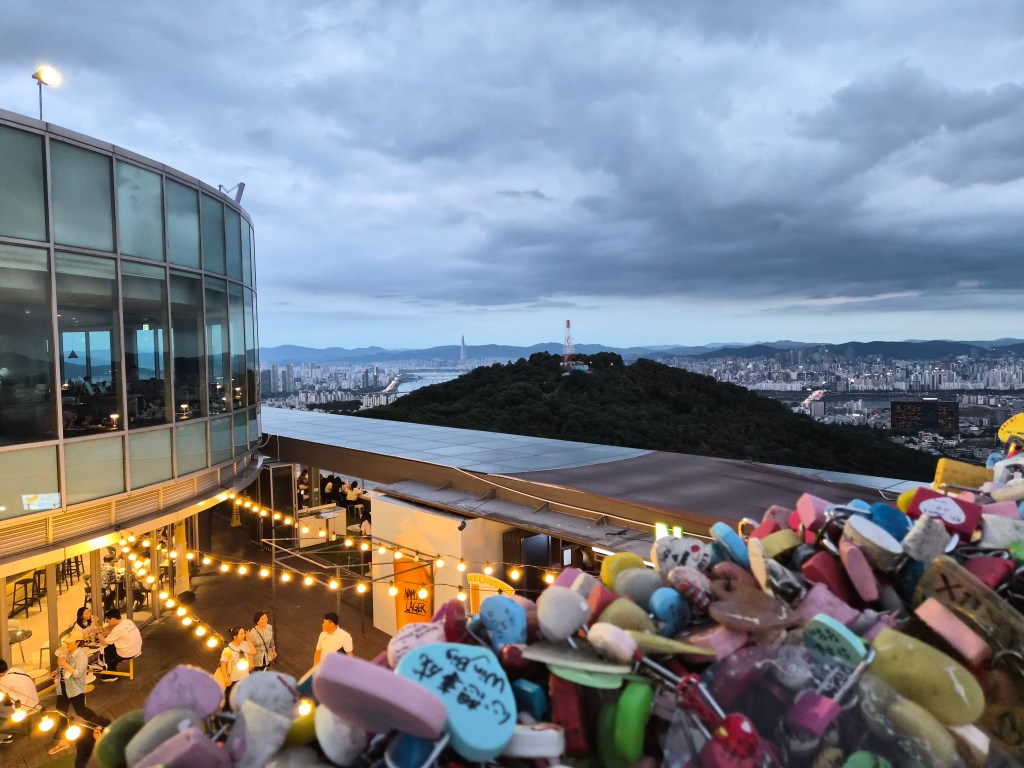
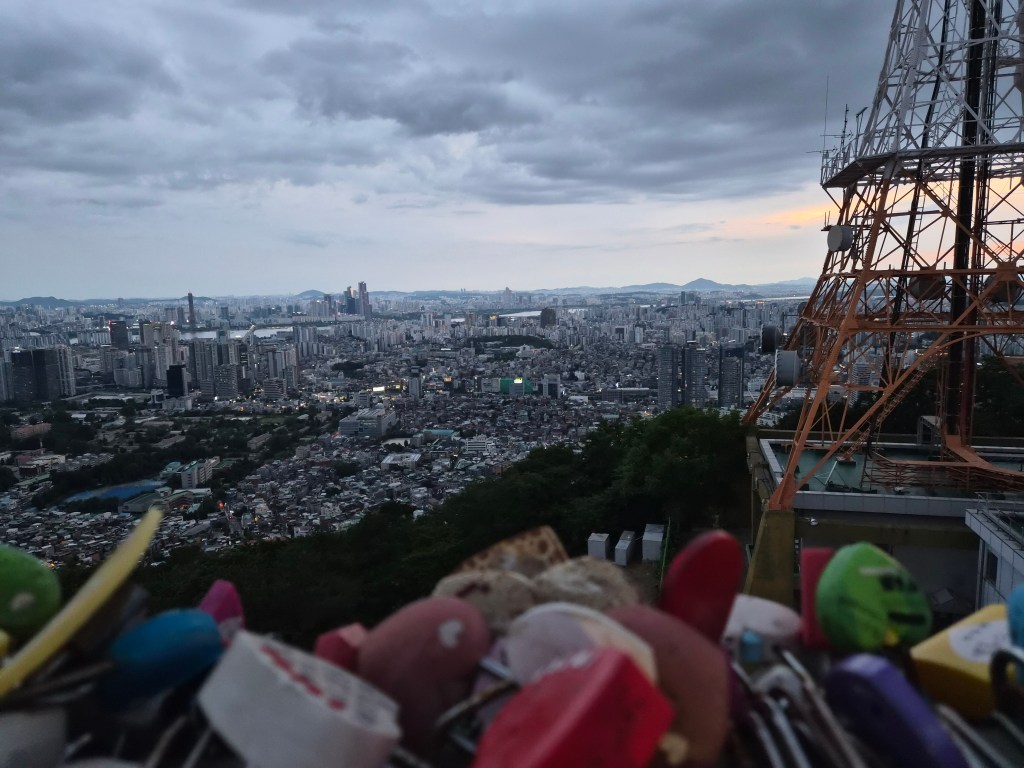
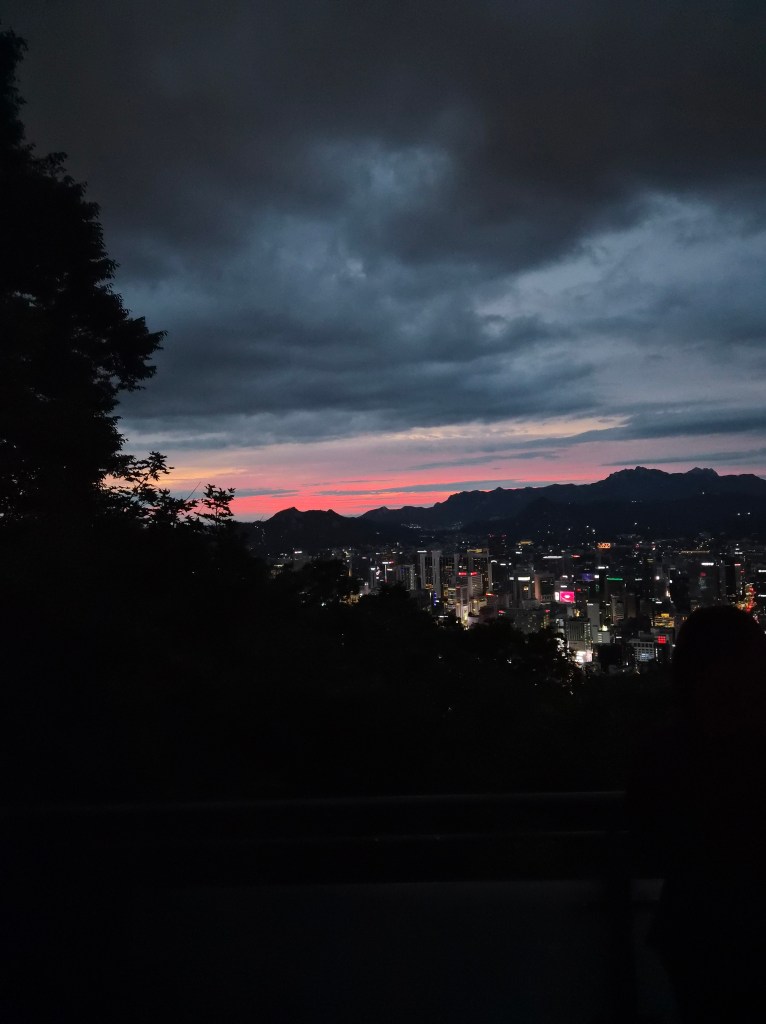
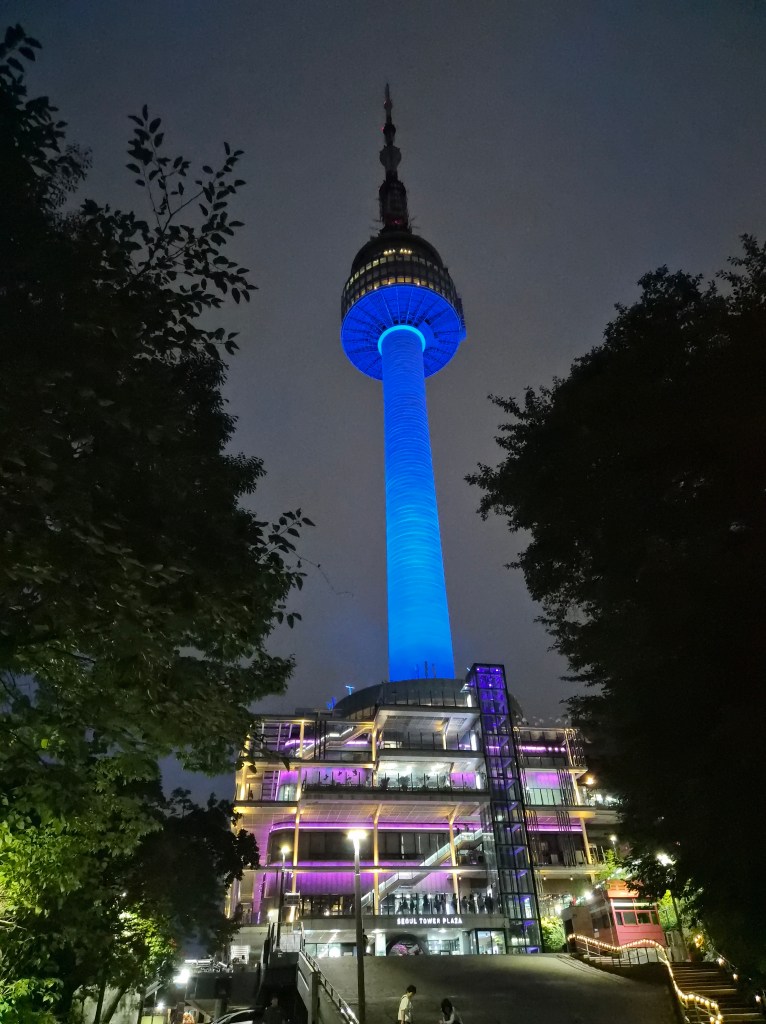
Probably the most famous of these trails are the stairs up Namsan Mountain, which lead to Namsan Tower, one of the most famous landmarks of Seoul. I will echo nearly every tour guide I read when I say that going to the mountain’s top was probably the most touristy thing we did and also one of the most indispensable, in part because it is popular among locals as well and in part because the view from the top helps you grasp the true size of Seoul, a city which is home to half the citizens in all of South Korea. There are many ways to ascend: we balked at the line for the cable car and opted for the more than 1,000 stairs, which was certainly a way to feel superior over everyone else who went up. Only when we were going down the other side did we realize that there was also a gently sloping walking path and also a bus. Next time!
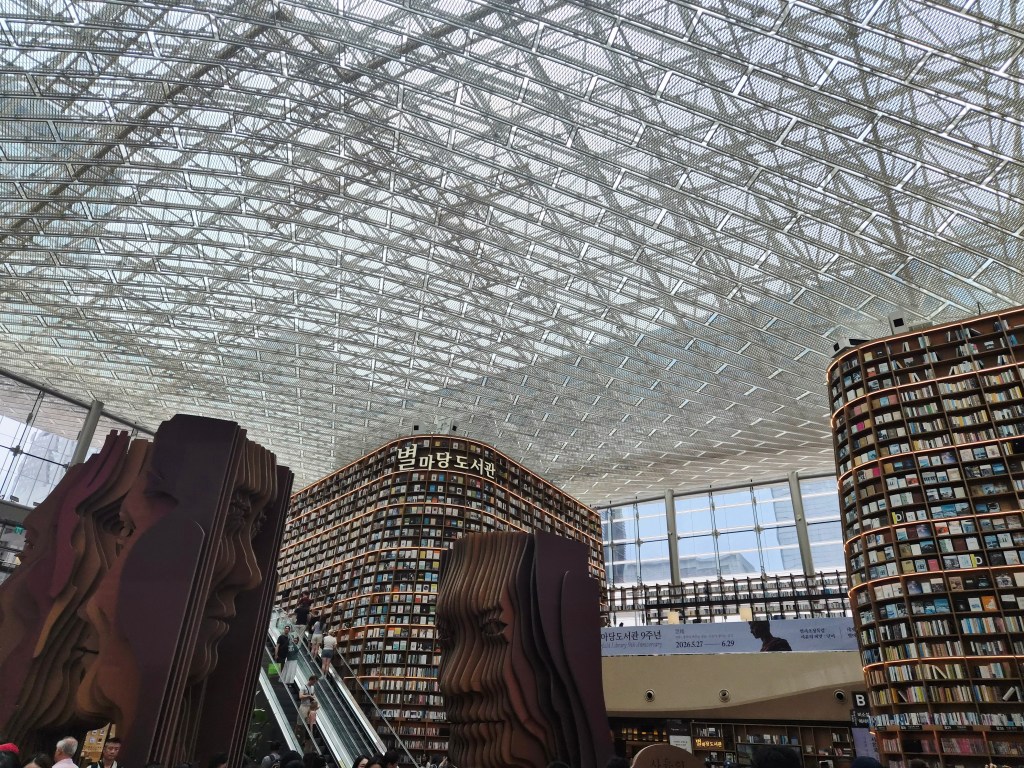
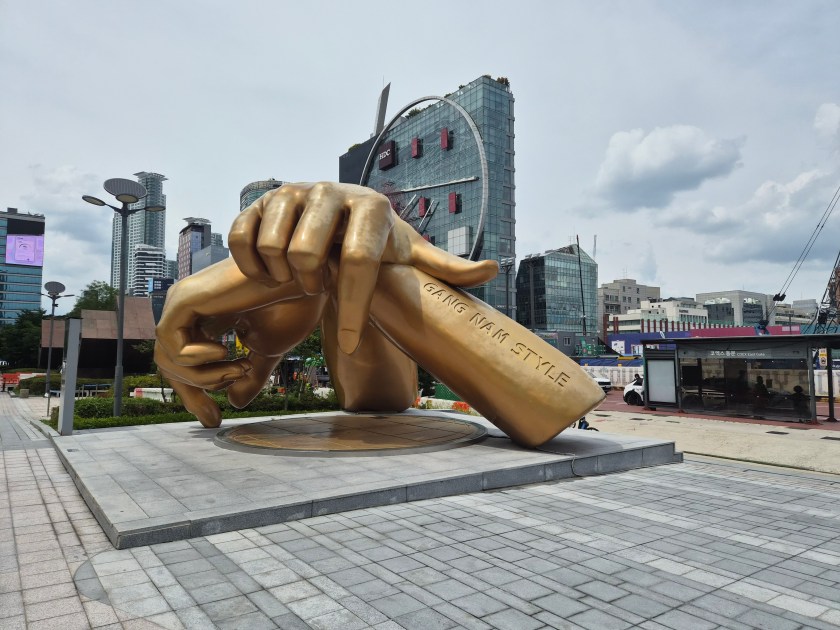
South Korea’s turn into a commercial superpower can be best understood through its various shopping thoroughfares, all of which are worth seeing for their sheer scale. Probably the most popular area are the indoor/outdoor markets of Myeongdong, which we found was best navigated if you had a specific goal in mind (we are both Samsung phone owners, and so decided to try and find phone cases). We wandered mostly by accident into a few of the underground markets that connect various subway stations; we also tried a few department stores because of the wide variety of food available in their food courts. Being vegetarian was much, much easier here: Korean dishes are more easily adapted to remove meat (no dashi!), and they are also less concerned about modifying a dish if you explain the situation. A familiarity with Korean cuisine and a sense of which dishes could be modified also helped, although that same familiarity has gotten me absolutely nowhere in Japan. But this flexibility was in keeping with my sense that on a whole, Seoul is a little more relaxed than Tokyo. Some of that must be the lack of overtourism – they haven’t had to batten down the hatches against tourists making unreasonable demands – but some of it seems cultural. Our encounters with clerks in conbinis, the Japanese convenience stores, have been short and to the point. On our first night in Seoul, the clerk working the counter stopped us mid-checkout to tell us we had missed three two-for-one deals, and rushed out to get us the extra dishes so we wouldn’t miss out.
The Ruins of War
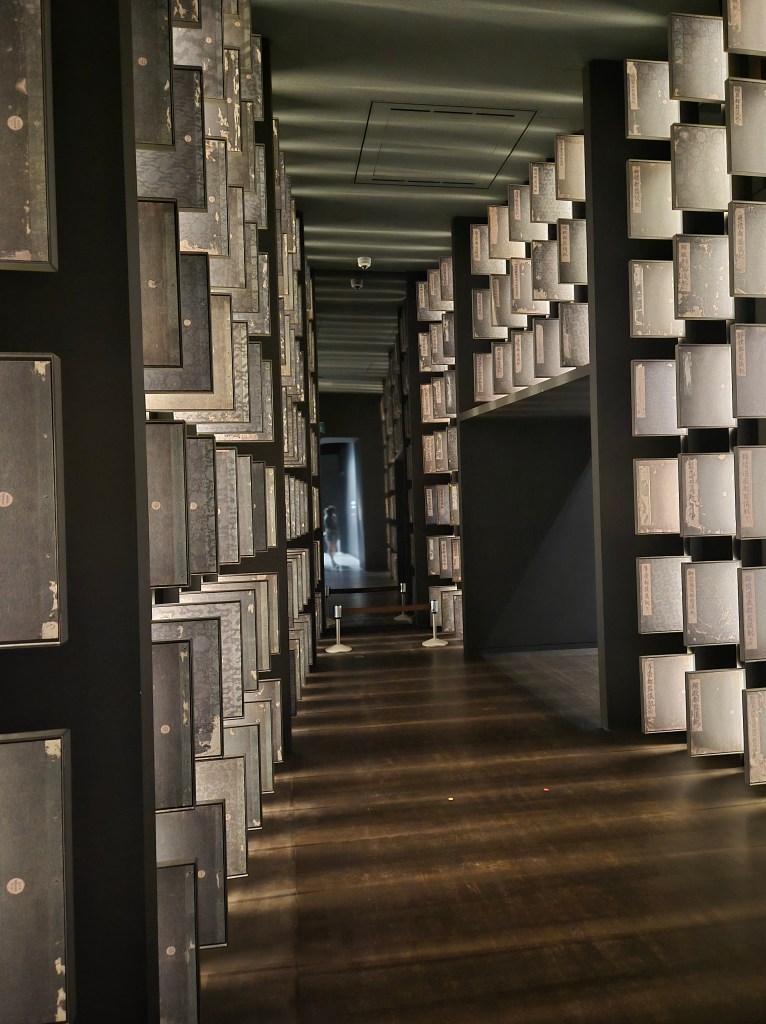
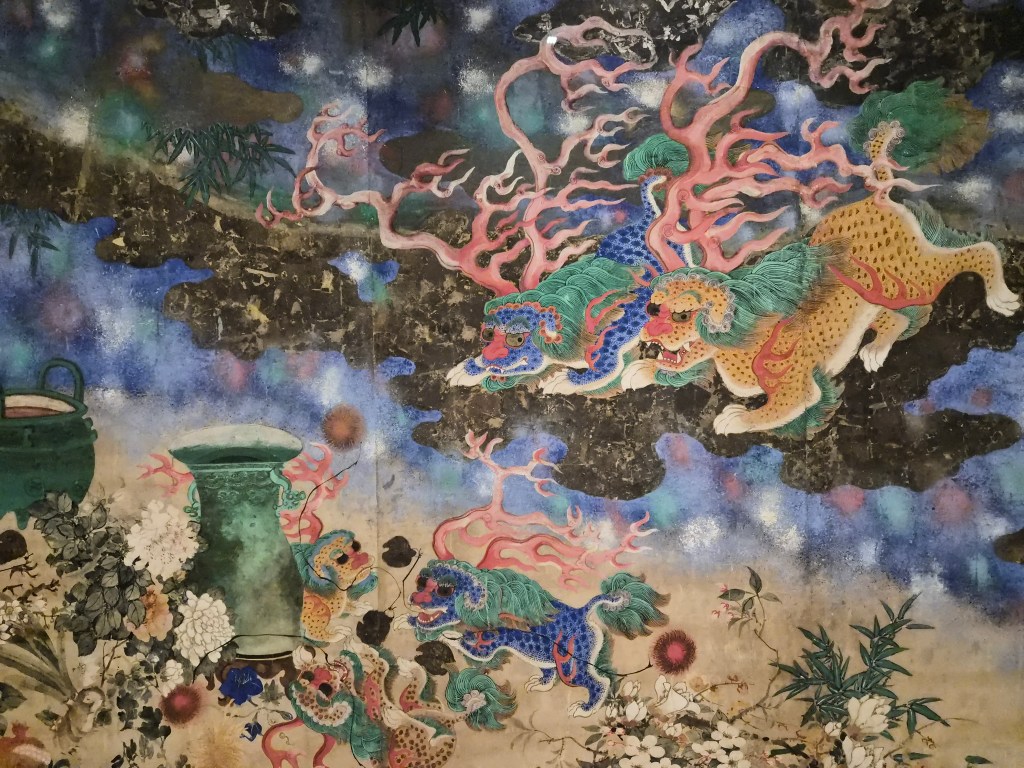
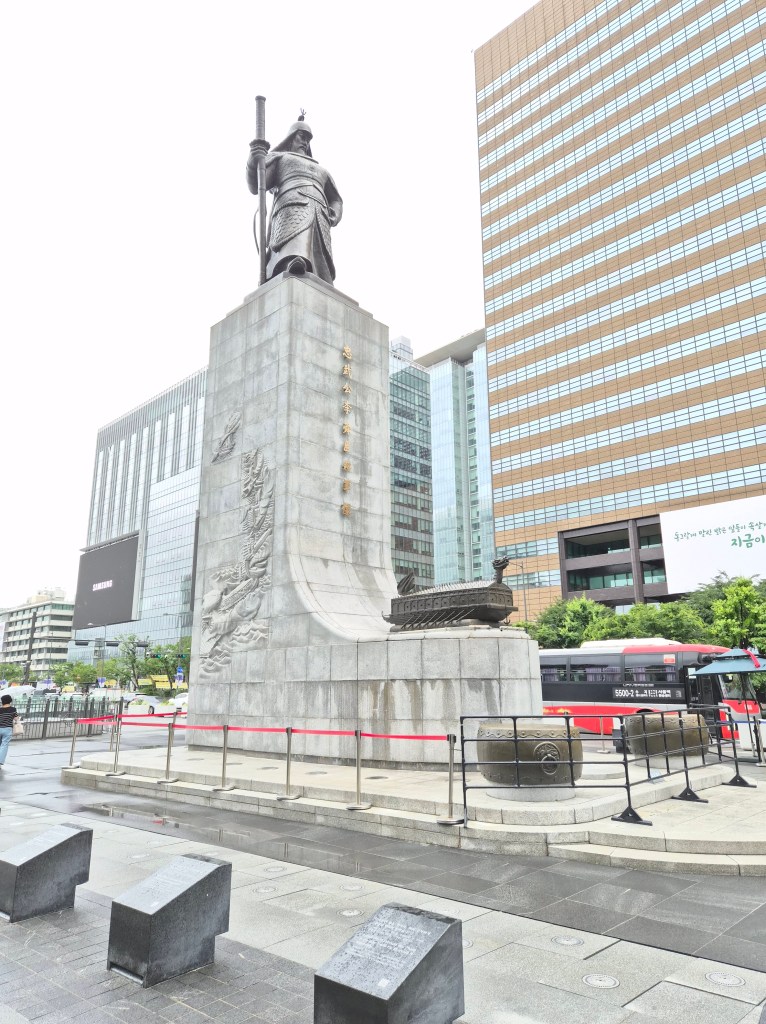
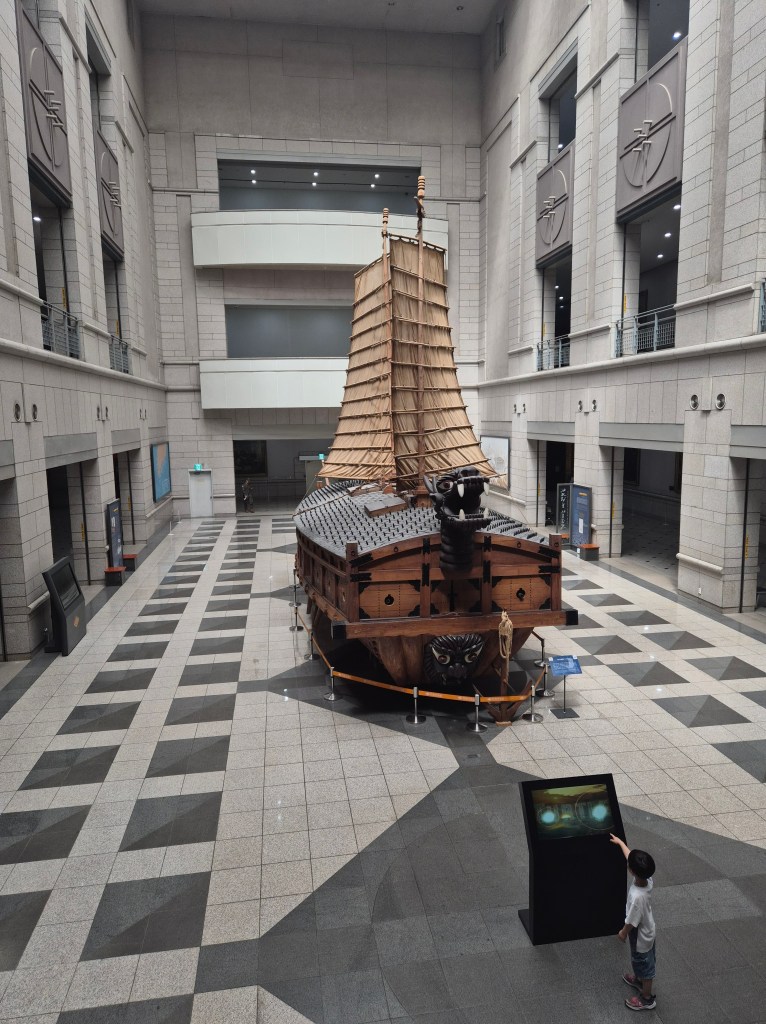
We blitzed through a few other museums, including the National Museum of Korea, which, by at least one counter, was the third-most-visited museum in the world in 2025. It features a run-through of archaeological and cultural artifacts from prehistory to the end of the Korean Empire, as well as exhibitions on calligraphy, painting, and other native forms of Korean art. It also hosts two major galleries of donations from other countries, as a major part of Japanese colonization was extracting Korea’s cultural treasures and putting them on display or selling them to the rest of the world. Small museums in downtown highlight the stories of King Sejong and Admiral Yi Sun-Sin, who fought off the Japanese invasion of the late 1500s through the ingenious invention of turtle ships, closed-roof ships covered in spikes to prevent Japanese attackers from boarding. Both of those are really meant for children, but offer a helpful introduction to those coming from outside Korean culture to Korea’s heroes and what their choice of heroes means about their people. Nearly all of Korea’s museums have a separate children’s museum, meant to introduce kids on a micro-scale to museums, which are still a relatively new concept in East Asia. This is true even at the War Memorial of Korea, which contains a children’s museum in part to introduce kids early to the idea of military service, which remains mandatory for all South Korean men.
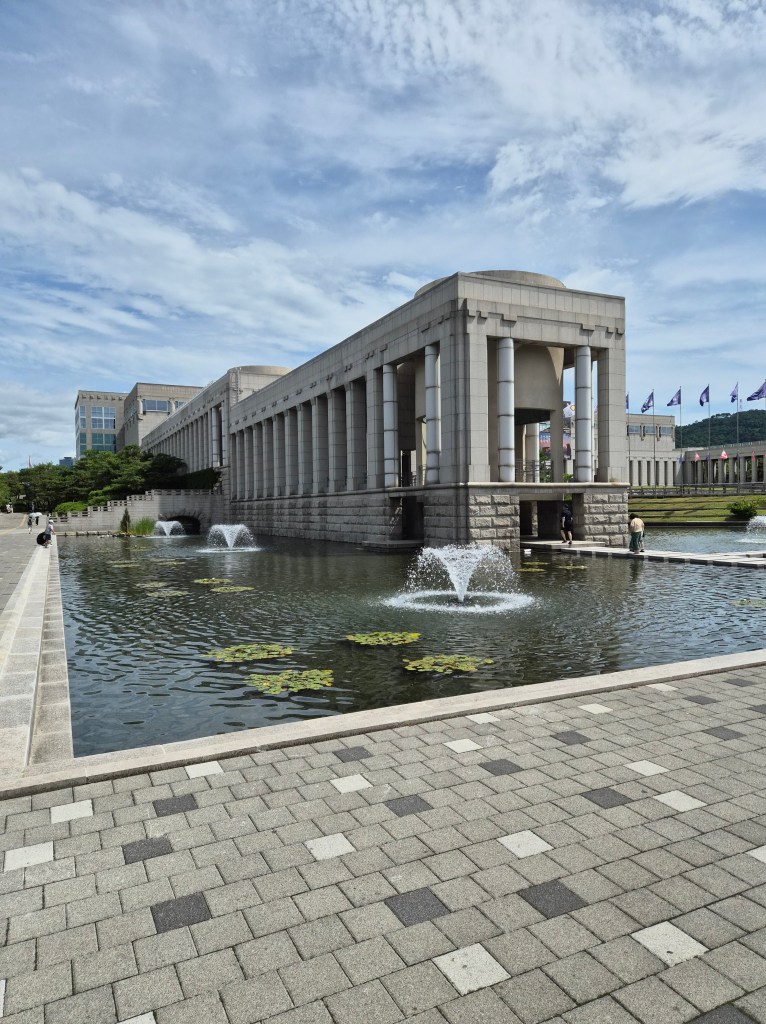
The War Memorial is a strange building, clearly influenced by various Western war memorials (a Roll of Honor, fountains that help make the whole place vaguely reminiscent of the WWII Memorial in Washington, indoor and outdoor weaponry on display that bring to mind London’s Imperial War Museum). It features historical exhibits on war in Korea from ancient times to present, and the only full exhibit on the Japanese Imperial period I had seen in any of the museums we visited. It also has a Memorial Hall, sadly closed for renovations this summer. The museum features nods to the international armies that came from around the world to fight in South Korea, with pride of place given once more to the United States – I even spotted a Douglas MacArthur Memorial Tree on the way out, the kind of memorial gesture that almost certainly would have blown right past him. When we visited, the special exhibit focused on the aging veterans of the Korean War from across the world, reckoning with the “Forgotten War” that is anything but forgotten here.
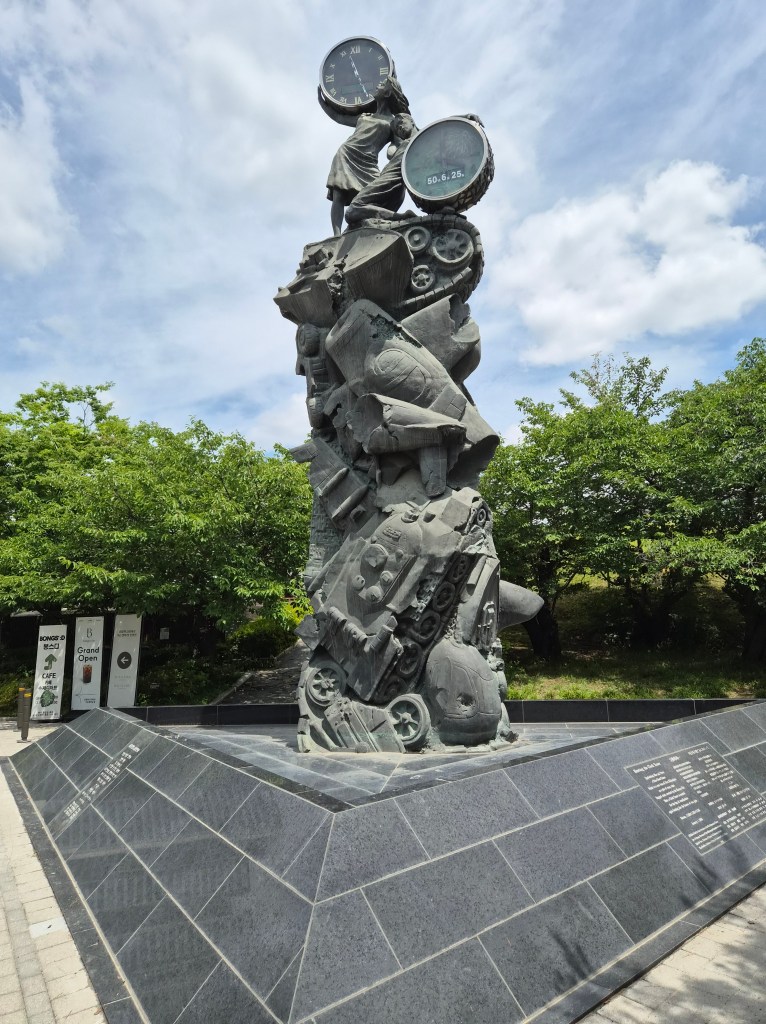
Instead, if anything really felt forgotten to me, it was North Korea: the memorial is built in such a way that it assumes you know the history and the ‘enemy,’ without having to dig too much into the specifics, and its focus on the Japanese Imperial period seemed almost to try and draw South Korean’s focus to a foreign enemy, rather than the armed border only scant miles to their north. Outside, a sculptural memorial called “Brothers” depicts a young boy serving in the North Korean Army rushing into the arms of a South Korean officer, his older brother, but the pathos feels weirdly forced. (I noticed a mark on the ground identifying it is a popular “photo spot”). Instead, the only place that really struck home was an abstract sculpture of clocks off a little to side, at an angle one could bypass entirely en route to the memorial. Two clocks are perched on top of rusting weapons from the war, one telling the current time, one stopped at the moment that the war broke out: June 25, 1950. A third clock sits to the side in a glass case. “The Clock of Hope for Peaceful Unification,” the inscription reads, in four languages. “Someday when Unification is realized, this Clock will be put on the Clock Tower, and will indicate the Time of Unification.”
Someday. In the span of Korean history, the 76 years of division are vanishingly small, and yet the gulf is so wide it seems uncrossable. Until then, the clock of Unification sits to the side, and the War Memorial takes center stage.
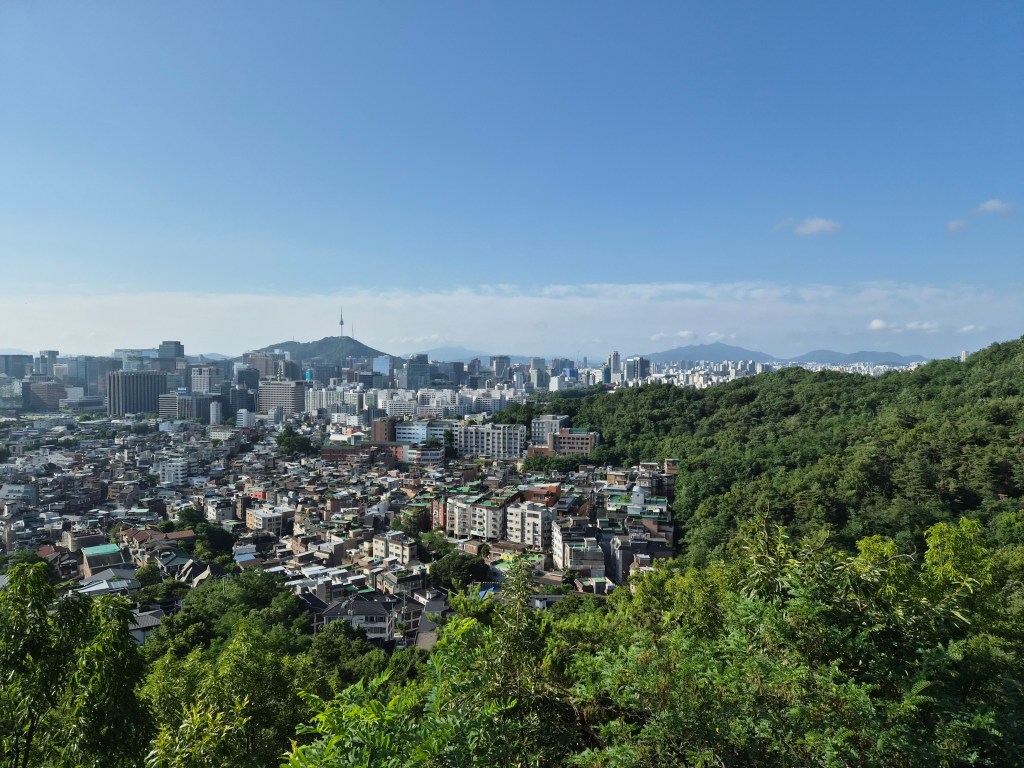
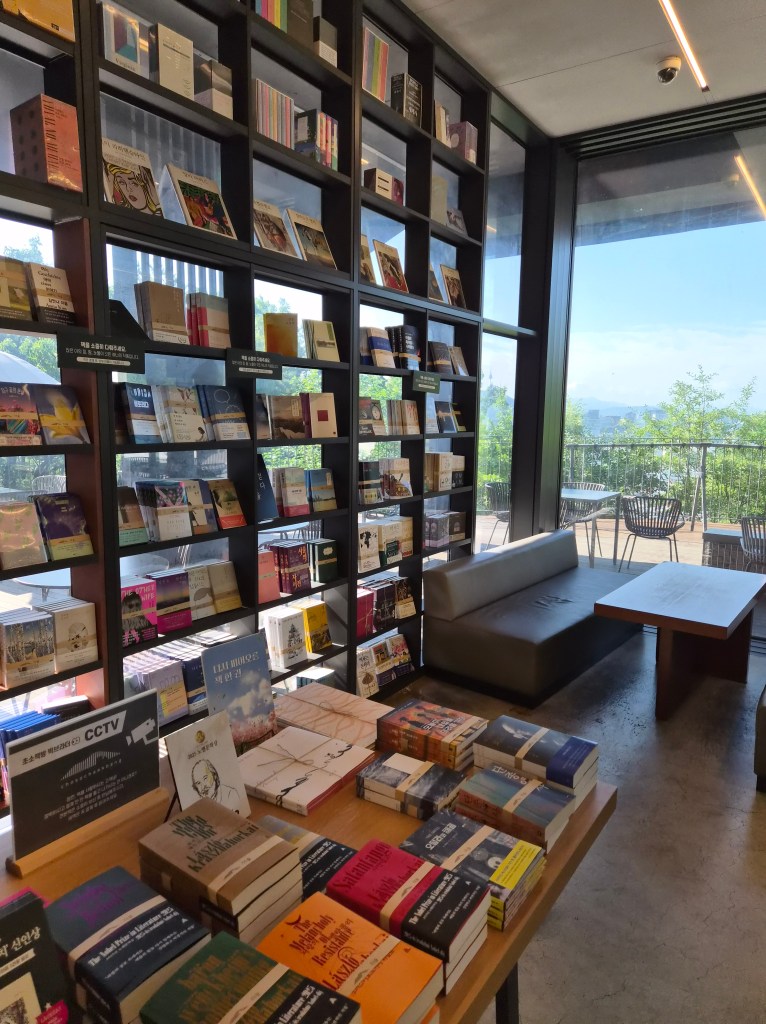
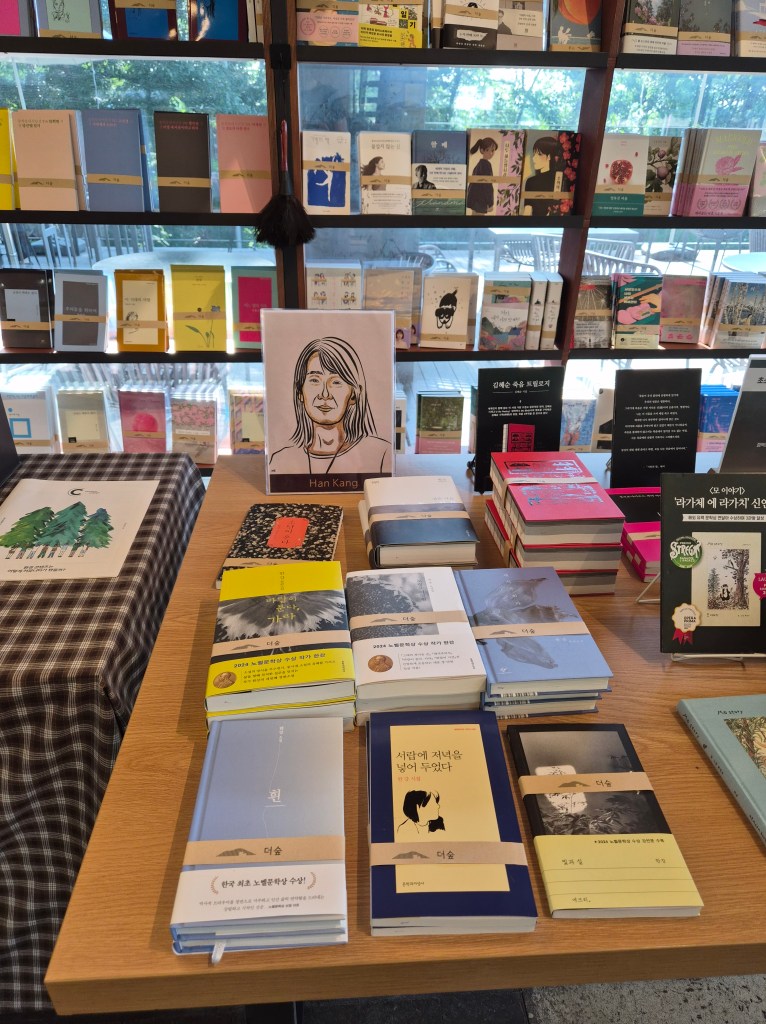
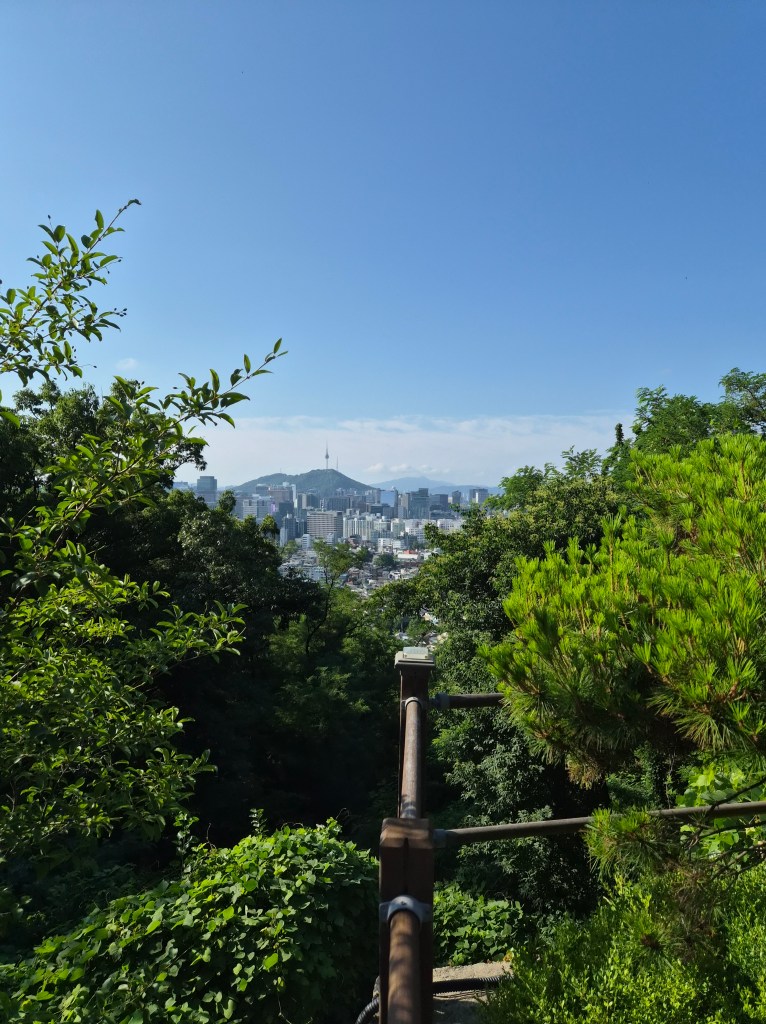
On our last morning in Seoul, we took the advice of the women we had met the first day and climbed halfway up Inwangsan Mountain to see the city stretched below us. They were right, of course: the rest area featured a bookstore-café with outstanding pastries, a performing space, a grand piano, and sweeping views to boot. And on our way down, we were met by another elder, eager to practice his English with us and tell us whatever we wanted to know about his country. It is not the country it once was, stretching across the eastern edges of China and Russia. Nor is it the country his parents knew, when you could begin the trans-Siberian express in the country’s southern port of Busan and pass through Pyongyang before entering Russia. But it is a country they are all proud of, and rightfully so. In his fifties, our guide told us, he used to hike to the top of the mountain every day. Now in his seventies, he usually just goes halfway up. But there on the viewing platforms, he meets people from around the world, and sometimes he takes them all the way to the top, just to admire the view.
Thoughts for Anyone Going
Vegetarian food: plenty of rice bowl-type dishes can be made sans meat; vegetable bibimbap will not have any to begin with. Be wary of the side dishes (banchan), including kimchi, which are usually made with fish. There are vegan restaurants, but we tried exactly one: I’d say skip them; they are made for tourists who have never tried Korean food before and aren’t going to like the local food.
Museums: Most of the ones we visited were free! Seoul also has a bustling art scene, which I am really sad we didn’t have time to check out. Don’t be one of those people who wears the hanboks; the palaces aren’t expensive.
Transit: South Korea’s transit systems are linked with a single payment card, called TMoney, which you can charge at convenience stores as well as at train stations. Tap both buses and trains when you get off as well as when you get on. Bring cash if you can to just buy one at the airport; South Korean ATMs don’t always like foreign cards and many of the TMoney machines don’t take credit.
Namsan Tower: go, but take the damn bus.


One thought on “A Land of Rivers and Mountains”