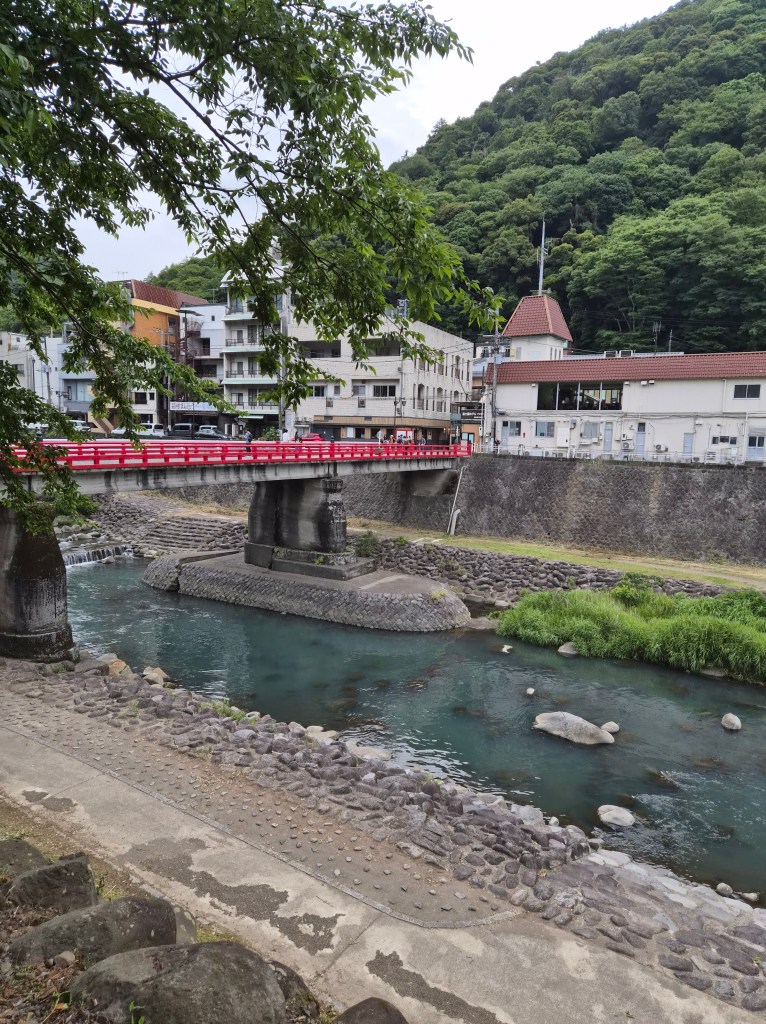
A plug for the American experiment, in these troubled times: rarely, I think, do we consider the remarkable way it brings people from entirely different walks of life together. Too often we take this for granted and spend most of our time trying to find people who share our life experiences, rebuilding our adult communities so that we are mostly surrounded by the people with whom we have the most in common. I rely heavily on those communities myself – but those are not what have brought me to Japan.
My primary association throughout my childhood with Japan was its magnificent gardens, nourished by trips to the Chicago Botanic Garden’s Japanese garden with my grandparents and my great-aunt’s work with Seattle’s Koboda Gardens. I knew almost nothing about Japan itself and its culture until my freshman year of college, when I became friends with a Japanese American freshman from Virginia. In that typically American way, we were both the inheritors of a culture that we could choose to leave behind us without penalty: she had learned Japanese from her mother and grandmother and at Saturday school; I had learned Hebrew in the synagogue and in Sunday school. Neither of us had the skills we might have wished in order to move fluently through the worlds we wished to occupy, be it Japan and its insular culture and the challenges mixed-race Japanese citizens face or the walls of the synagogue, with its complicated and ancient rituals and the many doors it still bars to women. Both of us have spent the following decades building the skills needed to claim a place in these cultures. After college she moved to Tokyo and lived there for a few years; I went off to Jerusalem to study in yeshiva. Both of us eventually washed back up in New York City, where we roomed together properly for a year and then intermittently whenever I came back to the city during grad school. It is a strange sort of bond, born not from common cultural experience but from a shared sense of what it means to be born with a foot in two spaces and to work doubly hard to belong in both.
All of this is to say that, quite unusually for me, I first came to know Japan not through its history or its culture, not even through its literature, but rather through its domestic sphere, and in particular through the lens of Japanese American life. What to say when someone comes home, or has completed a difficult task. Which tea and noodles are best for the worst of the summer heat. Which ingredients and what utensils and pans to buy at the Asian supermarket to make vegetarian versions of foods that I will never be able to get at a proper Japanese restaurant. Which stores sell Japanese books, groceries, lunches, home goods. Most of these have been woven into my life in the haphazard American way: mugicha in my fridge next to the milk, a tamagoyaki pan that I insisted on buying for my parents’ house and that only I ever use, a pathological attachment to my rice cooker. Probably my friend, who graciously allowed me to kasher half of our kitchen for Passover during the 2020 lockdown and who has a list of tasks she knows to do on my behalf every Shabbat, has the same sort of strange, partial awareness of Jewish life and culture: she would be lost in a synagogue, but she knows a lot more about Judaism than many American Jews.
And so this year, when she finally decided to move back to Tokyo, I offered to tag along for the month to help move bags and track apartment listings and all the other stuff that a second pair of hands can do, and to see some of the country while I was there, in a strange balance between this frame of everyday life and tourism. Upon our arrival we spent nearly two hours just in Narita Airport, sorting out a new phone plan, shipping the four suitcases we had brought to the apartment we’ve rented for the month (worth doing from an etiquette perspective: the subways here are crowded enough that it is a great courtesy to leave it to a professional to transport them for you, and there are brochures that will tell you how to do it), reloading transit cards and so on. By this, of course, I mean I mostly sat and watched the suitcases, and my friend had to run around doing all the actual work. And then we went off to the famed Shibuya crossing… to buy pajamas for the night at Uniqlo.
Japan has experienced an explosion in tourism since the yen weakened after the COVID-19 pandemic. Nearly everyone I told I was going expressed interest in visiting themselves, or knew someone who had recently gone. I had noticed this trend back in the States, too, as stores my friend had introduced me to as places to buy groceries or planners or clothing gradually became mobbed sometimes to the point where we no longer wanted to go (looking at you, Kinokuniya). That effect has been reproduced on a massive scale here, with overtourism leading to congestion, trash buildup, general disorder, and all the other things we’ve seen from European cities buckling under the same strain – with the additional problem of an uptick in bear attacks. We have come during the rainy season, which helps, but hardly solves the issue. Instead we have worked to split our days in two, sometimes dedicating the day to meeting with a real estate broker and sometimes to a fun day trip, sometimes getting a haircut in the morning and going to see a statue of Godzilla in the afternoon.
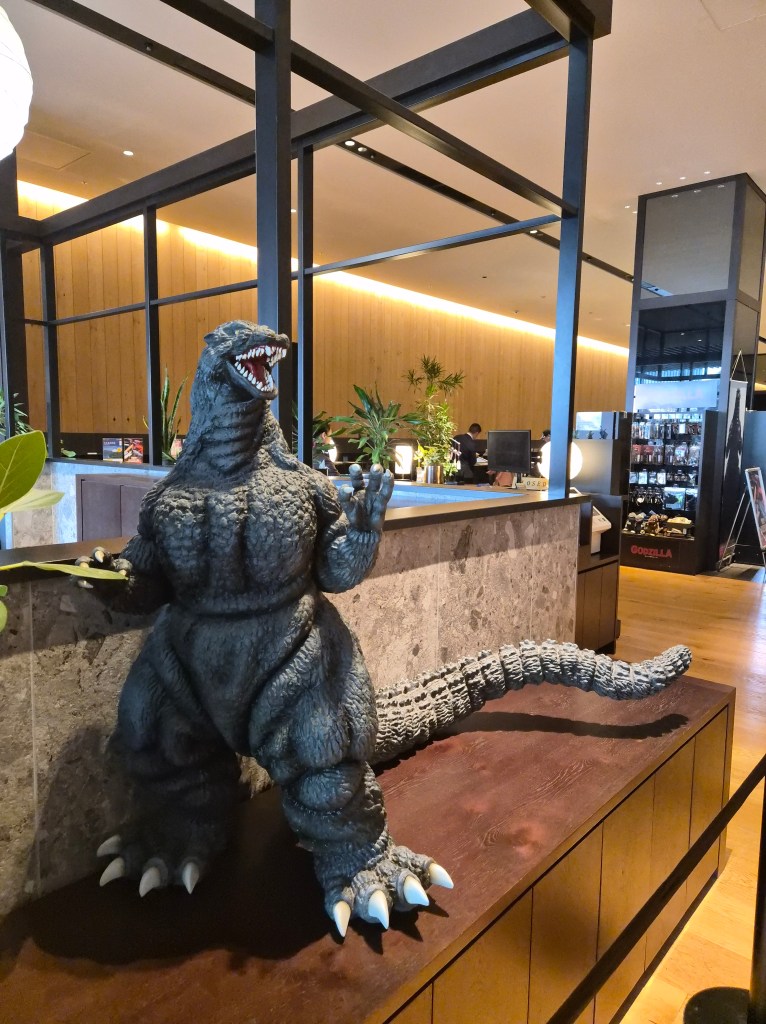
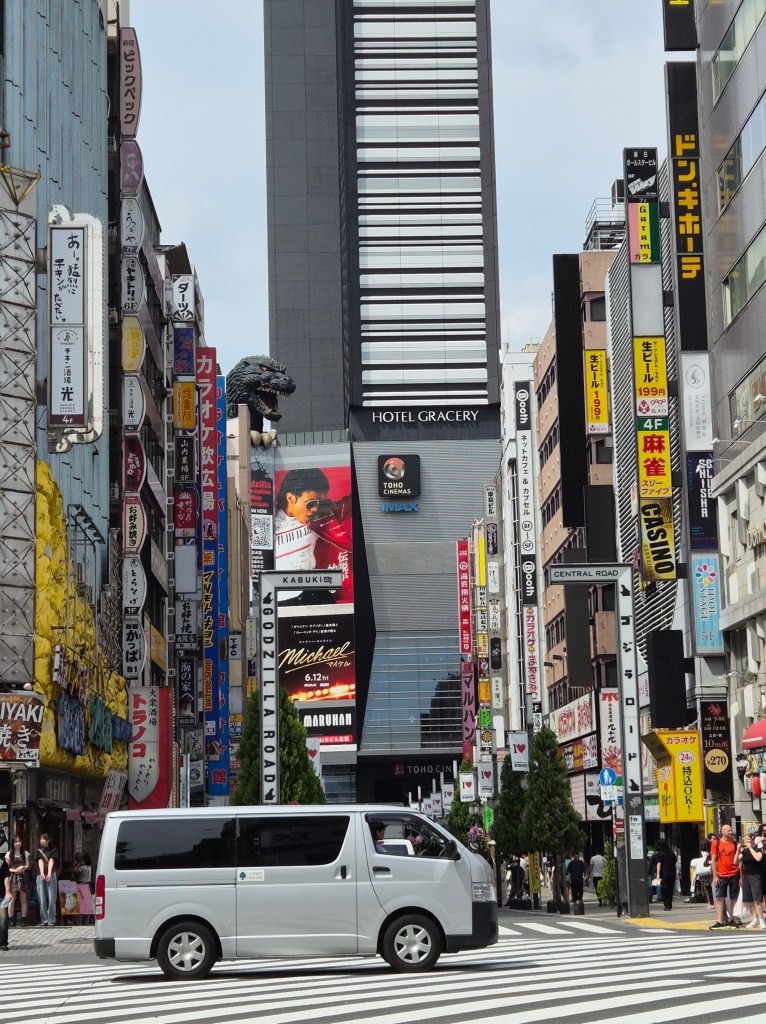
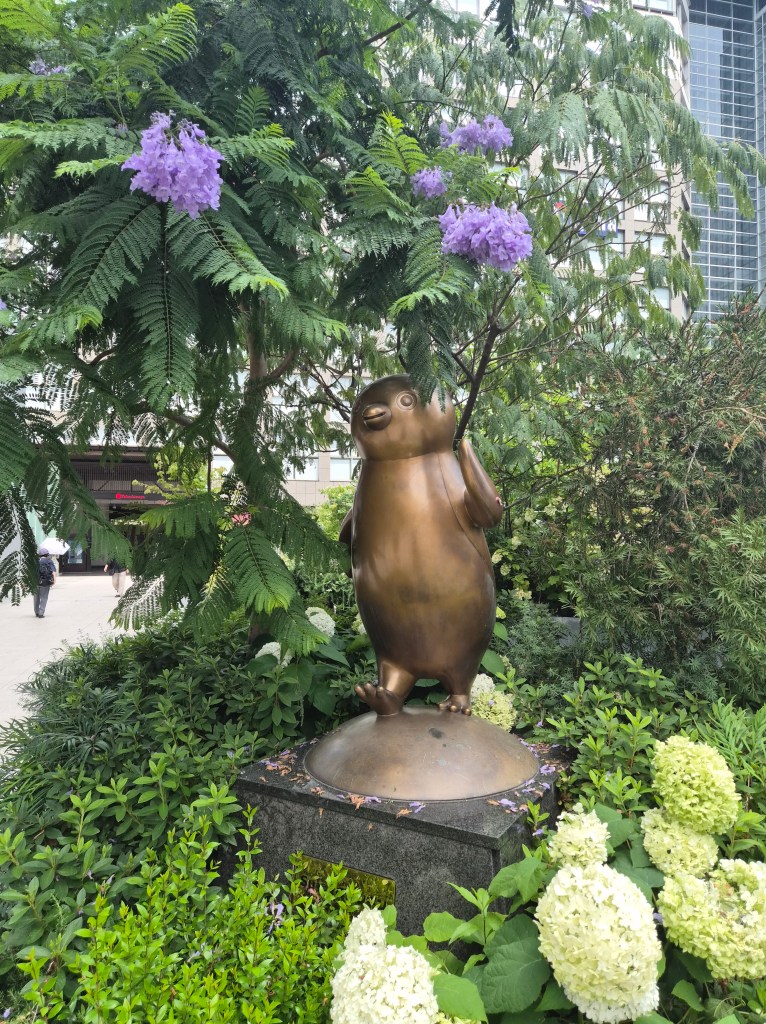
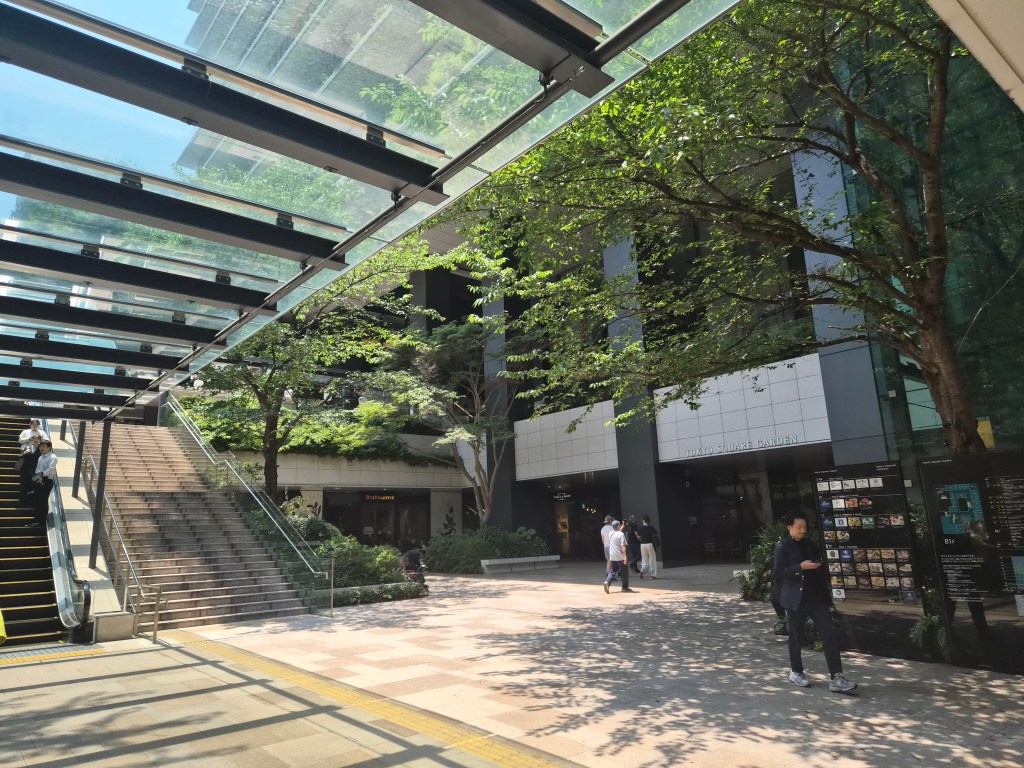
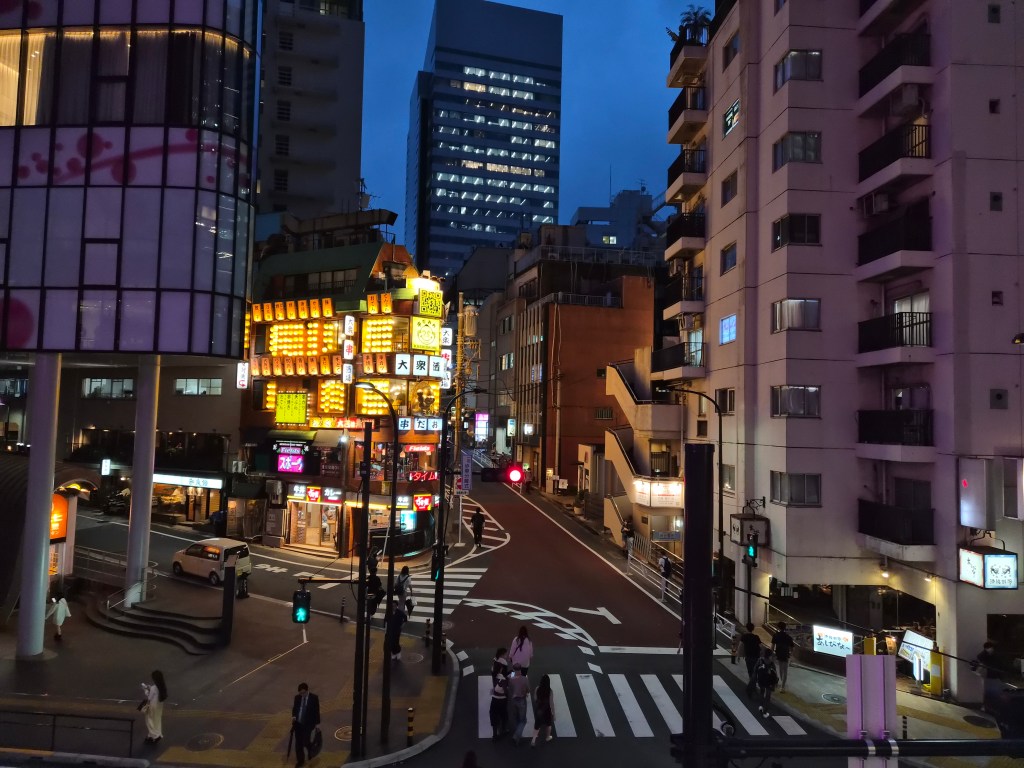
These somewhat mundane experiences are of course in and of themselves introductions to the country, for better and for worse, and frequently illuminate the barrier that remains between the Japanese and their endless flux of international tourists. We booked a haircut at a salon where the stylists spoke English for my sake, and while the experience included free tea, a head massage, and all sorts of little perks one cannot imagine at a run-of-the-mill salon in the States, my friend informed me on the way out that the quality was not all that much compared to the fully Japanese salons she’d been to. Since then, we’ve noted cuts for half the price in the less touristy parts of Tokyo. On our flight over, the Japanese devotion to customer service triggered a nearly endless circle of apologies when I had to inform a flight attendant that I was vegetarian (Jewish guilt versus Japanese guilt is a fascinating cultural overlap: two ancient cultures, utterly unalike, but united in their doomed sense of responsibility to an endless list of rules). But after trying and failing to convince a stylist to cut off most of my hair in the States, finding someone who was mostly concerned that I get what I had come for made for a welcome change.
The concept of vegetarianism and the simple task of finding places to eat, meanwhile, has been a fascinating hurdle. On that front Japan is rather challenging, particularly if you don’t eat fish – within my first twenty-four hours here, despite her best intentions and full grasp of the three different alphabets of Japanese, my friend had accidentally given me something with bonito in it. Even things that look deceptively vegetarian, such as Japan’s beloved curry bread, are usually made with multiple types of meat for flavoring. At many restaurants, the mere utterance of the word “vegetarian” has sent staff into a panic and resulted in them ushering us away. We’ve tried the workaround of getting seated first and then asking if they can modify a dish so it can be made without meat, which in one restaurant resulted in the waitress mixing up the definition of “vegetarian” with “vegetables” (in Japanese!) and helpfully pointing me to a chicken salad. (I ended up having a cooked zucchini for lunch. They were kind enough to put some pepper and some cheese on it). Planning ahead, we’ve found enough places that serve at least one vegan option on the menu (vegan is almost always easier to find than vegetarian, since the Japanese were never particularly dairy-oriented to begin with), and a few all-vegan restaurants, from the beloved ramen shop T’s Tatan to the hilariously named Ain Soph, a vegan restaurant that serves mostly Japanese versions of Western cuisine but has taken its name from the Hebrew word for “infinity.” All’s to say, it can be done, but it needs to be done with a lot of caution. Just because one thing is vegetarian in one place does not mean the same dish will be safe to eat at the next shop over.
The Japanese are kind and gracious, and many of them are genuinely keen to help. But different as they are, the years I spent in Minnesota have been in the forefront of my mind this week – namely, the favorite joke that “a Minnesotan will give you directions anywhere except their house.” That care and consideration are baked into the culture here, but we’ve caught signs of faint overwhelm and irritation, too, apparent in the many clerks who are moving through so many tourists that they often don’t register my friend is addressing them in Japanese. Often that becomes in and of itself a sign that we should be moving on.
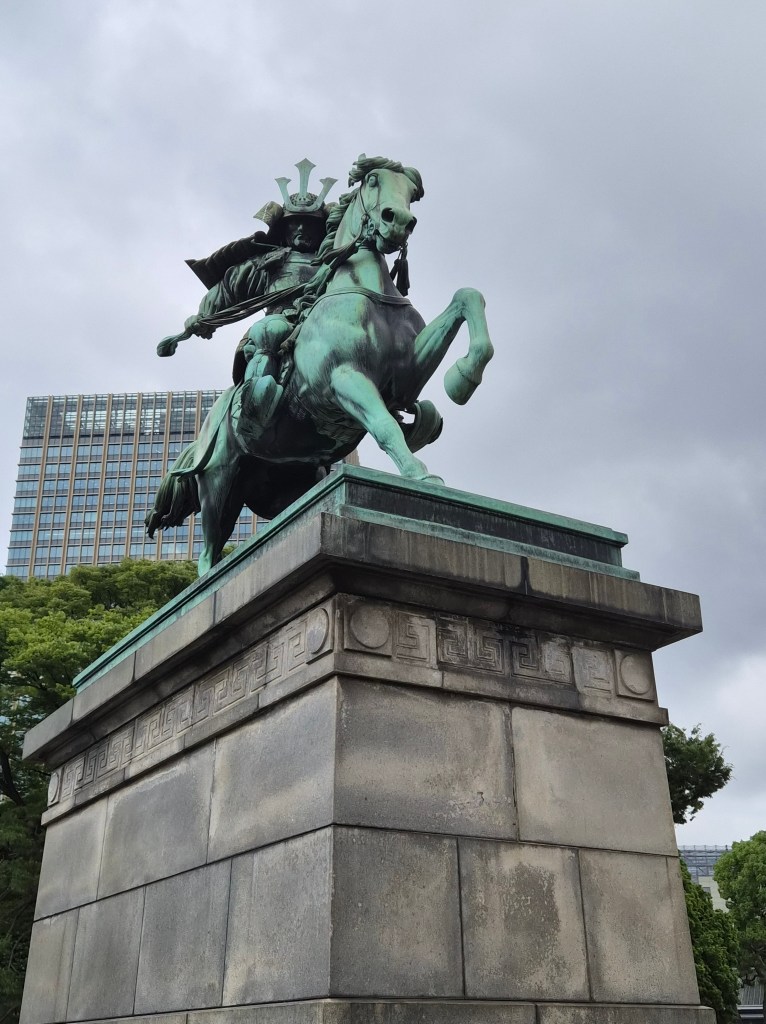
And so we have found our way haphazardly around the famous sites of the city, sometimes stopping to see the sights, sometimes moving around them. Our haircut was scheduled in Ginza, which afforded me an introduction to the labyrinthine Tokyo Station (and the aforementioned vegan ramen shop) and the grounds of the Imperial Palace. On Shabbat we wandered to nearby Shimokitazawa, a Japanese Brooklyn (complete with a Brooklyn Coffee!) that I first came to know through Banana Moshimoto’s delightful novel Moshi Moshi, to take in the new cutting edges in Japanese hipster fashion. Our desperate attempt to stay awake during our jetlagged first twenty-four hours led us from Shibuya to the fashion-forward Harajuku, and then, in an effort to avoid the crowds, into Yogoyi Park and the former grounds of the 1964 Tokyo Olympics (I particularly liked the subtle touches in the area, like the athletes competing in different summer sports carved onto one of the overhead pedestrian crossways). Finding the park nice but somewhat underwhelming, we looped around to the Meiji Jingu Shrine, dedicated by the Japanese people in 1920 to honor the emperor who had opened Japan to the West.
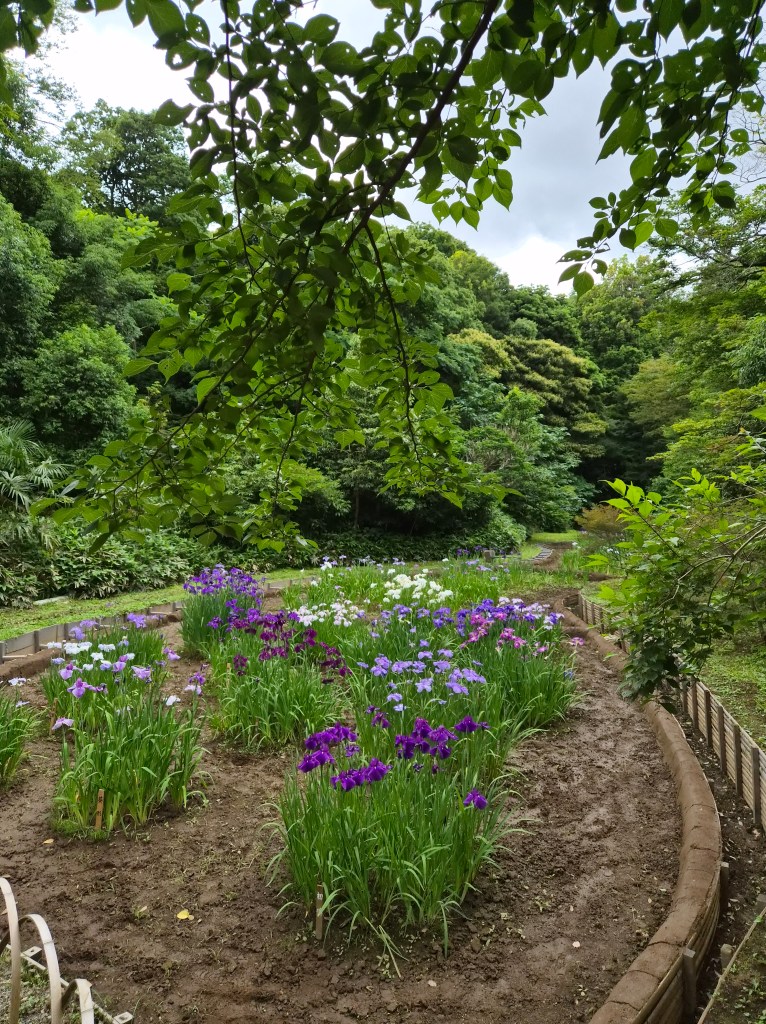
This was one of the finest gems we’ve seen so far – and a triumph for me, since I had led us there mostly by accident and my friend had never been there before. The shrine itself is beautiful, but the gardens tucked into the small pathways beside the shrine are the real reason to go. Dating from the early Edo period and maintained at the private pleasure of the emperor and his empress during the Meiji Era, they feature gardens that highlight seasonal blooms. Azalea season had just ended, but we were in time to witness an endless row of irises in the full glory of early summer. The fields of flowers were rice paddies in the age of the samurai, designed to teach young trainees about the hardships and discipline of rice cultivation, but they have been given over to irises since the 1890s. I am hoping to return once more before I leave Tokyo, perhaps in early July, to see the next flower to emerge in the cycle: water lilies.
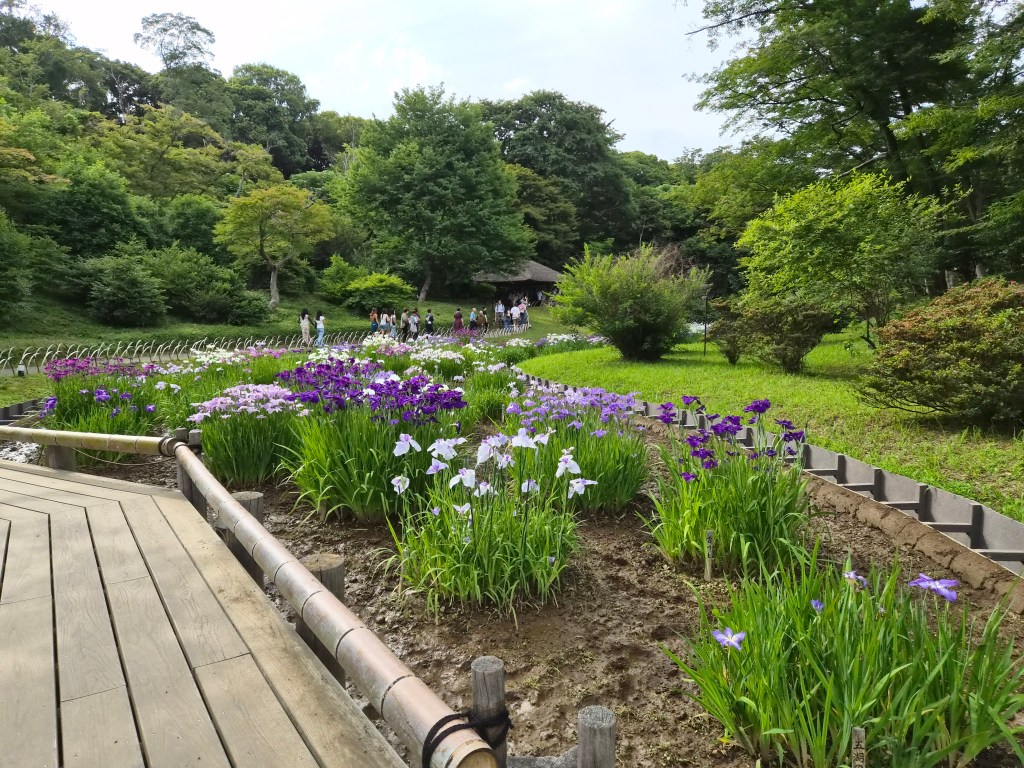
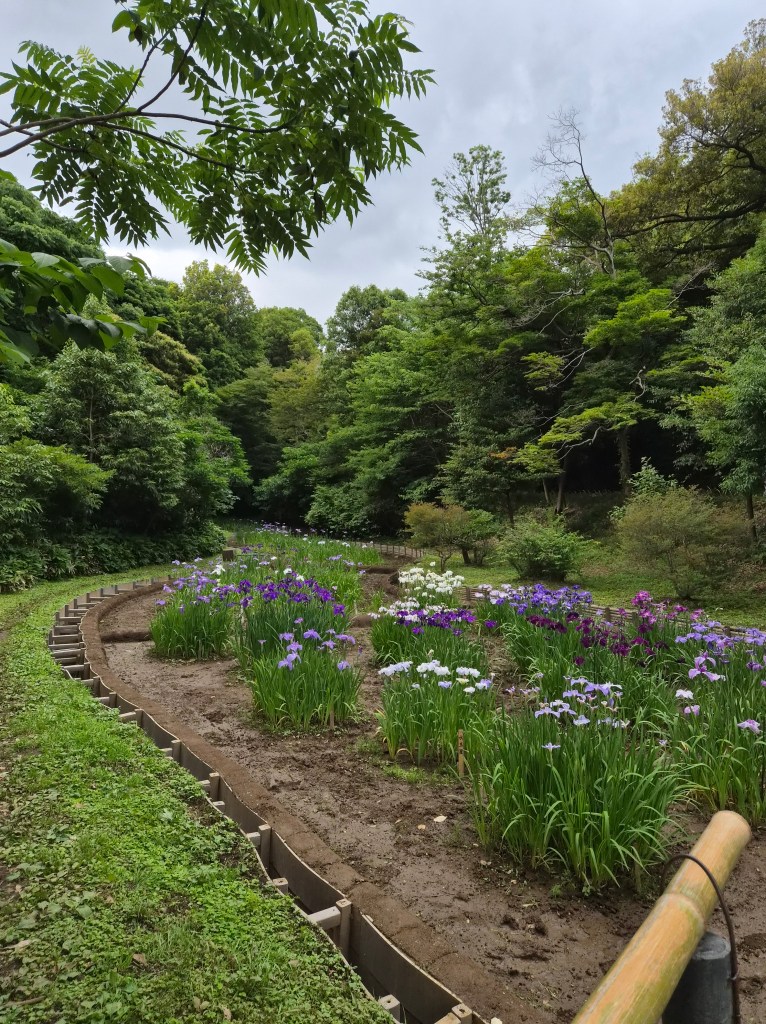
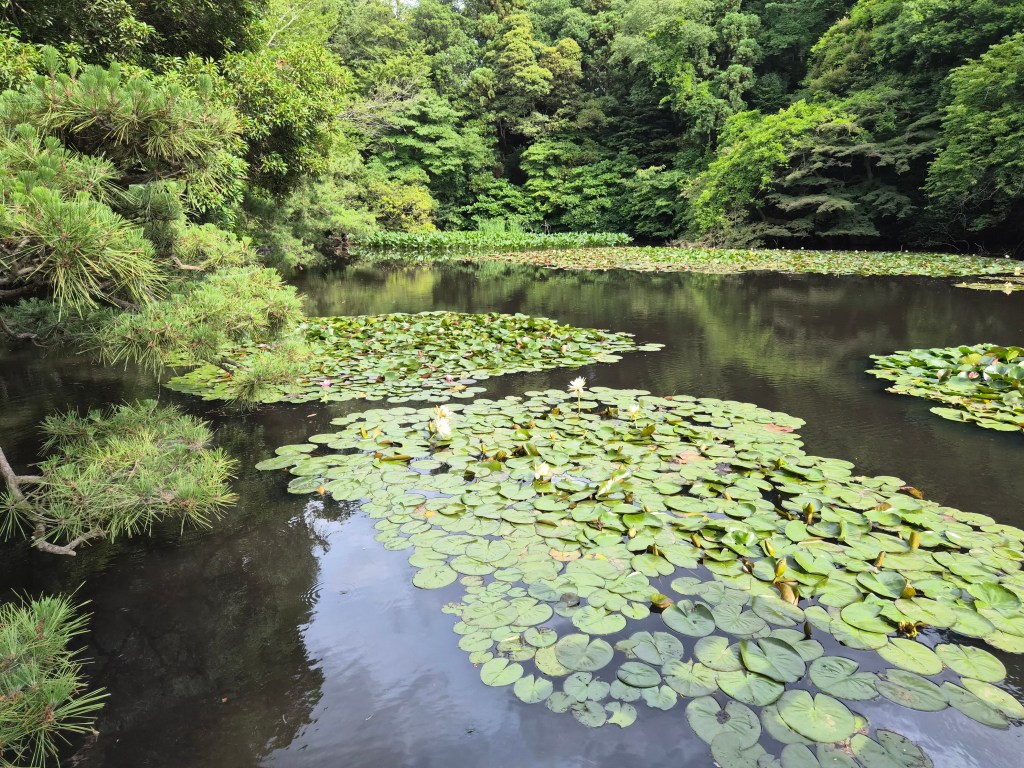
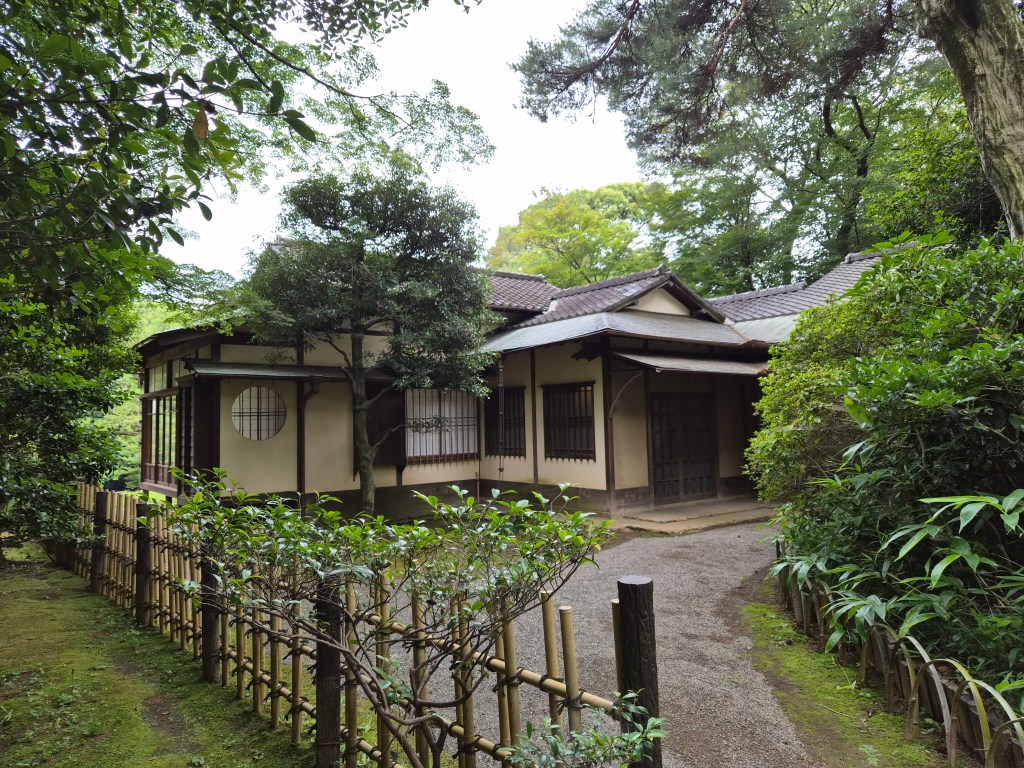
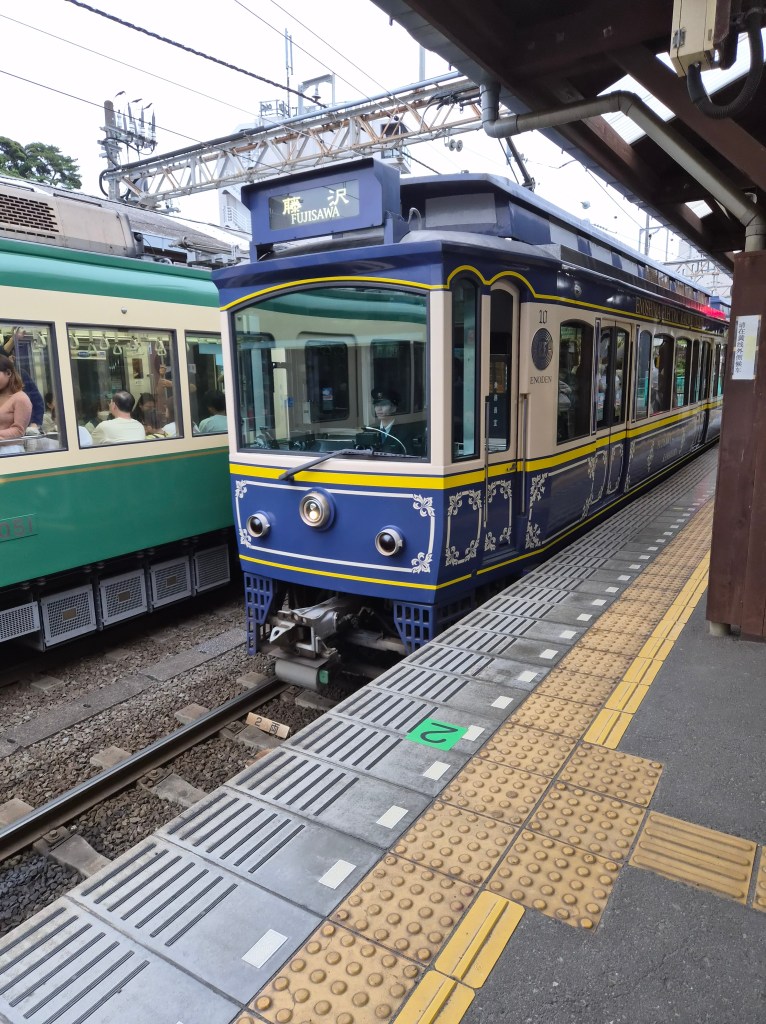
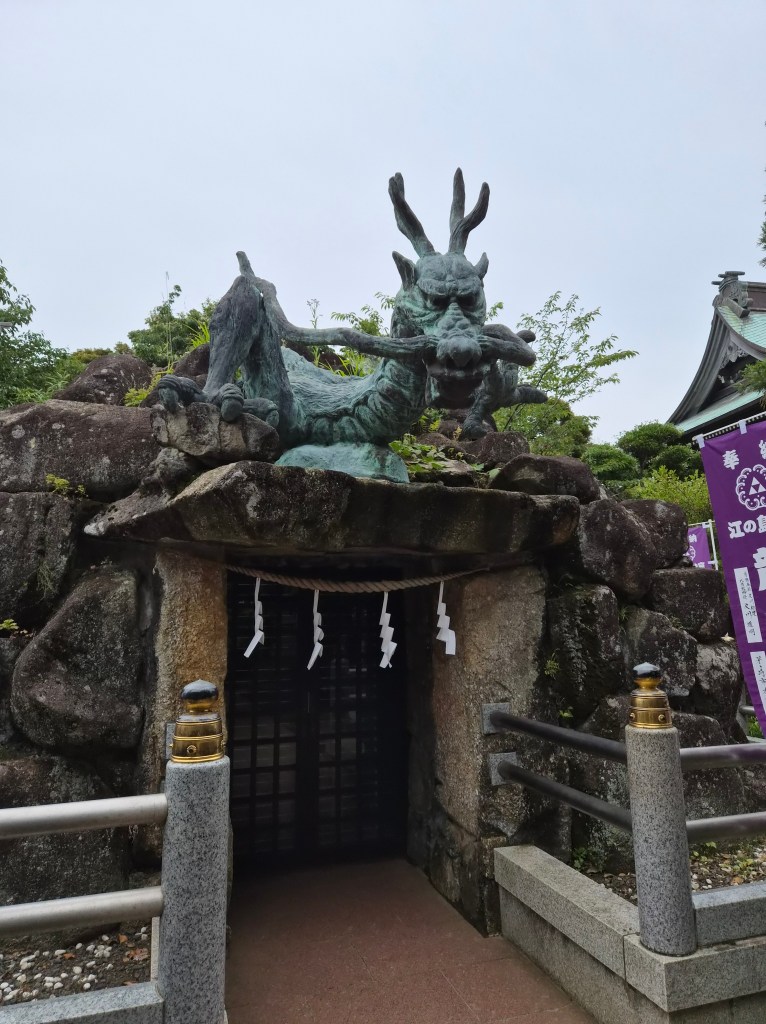
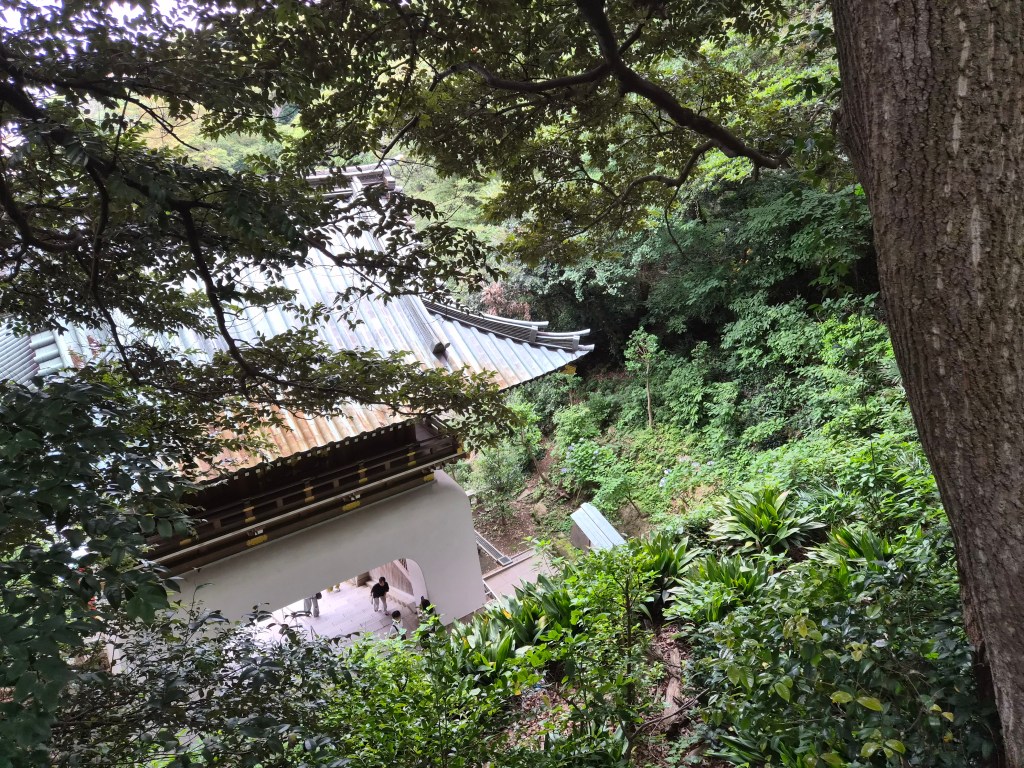
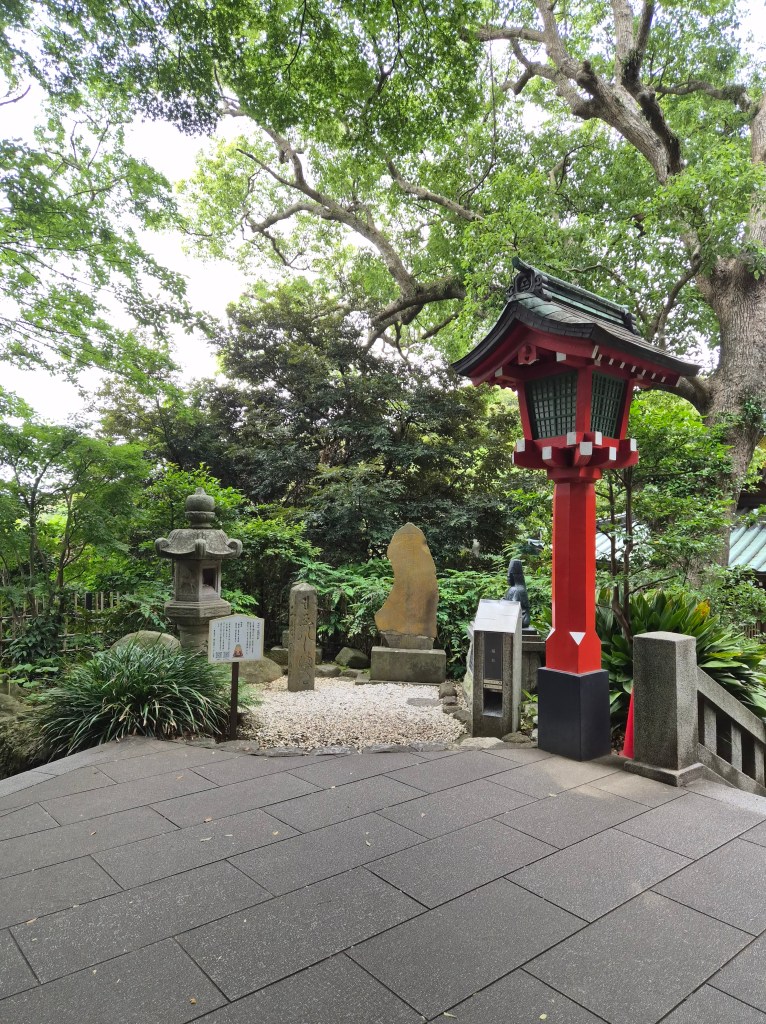
Perhaps this is a good place to say a word about Japanese shrines. Officially there are both Shinto shrines and Buddhist temples across the country, but owing to the fact that the two religions existed in a kind of blended religious vocabulary from Buddhism’s arrival in the late sixth century to the Meiji period, it is often difficult to tell them apart. There are a list of markers you can look for: the types of guardians (if any) at the entry, the torii gateways (Shinto) or pagodas (Buddhist), the names. But several different guides assured us that graveyards were often a sign of Buddhist temples, and we are staying near a Shinto shrine that features the graves of several mentors of prominent figures in the Meiji period, so we have taken all of these with a grain of salt. More important to both of us was to be certain we were behaving correctly at these sites, the same way that we would if we were visiting a church or a mosque in Europe. One is meant to bow before entering and exiting a torii gate; furthermore, most Shinto sites have a space where one can ritually cleanse their hands and mouth. (For those less decidedly monotheistic than I am, we also found a helpful guide for how to pray at these sites). At the Meiji Jingu Shrine and at the shrines in Enoshima, an island we visited over the weekend that has served as a pilgrimage site since at least 800, we saw a reasonable number of visitors engaging in both these practices with good faith. (Handwashing seems easier to grasp than the gates, perhaps because there are signs offering basic instructions). But at other sites, such as the popular “money cat” shrine that we stopped at just because it’s down the road from us, the idea that these places are religious sites seems lost on nearly all who come there. Perhaps the fact that the shrines are outdoors is confusing to Westerners familiar with entering into buildings for worship. But I watched a family dressed for a funeral come into the “money shrine” and make their way quietly to one of the temple’s smaller buildings, and we left the shrine that day with a resolution to never go back.
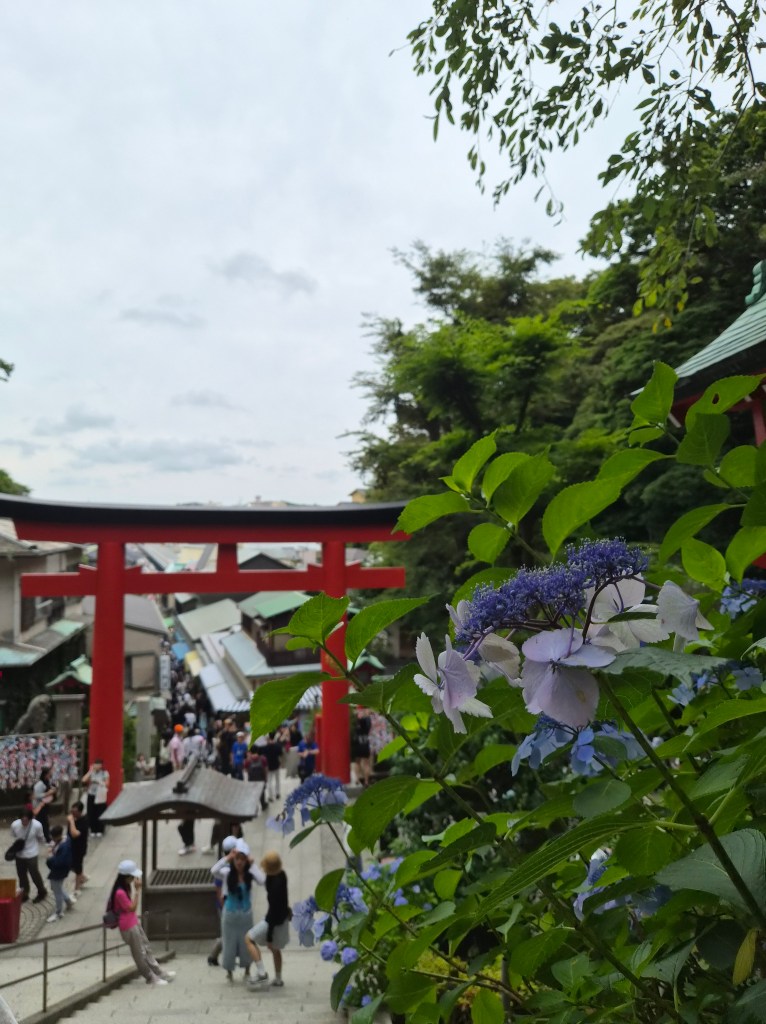
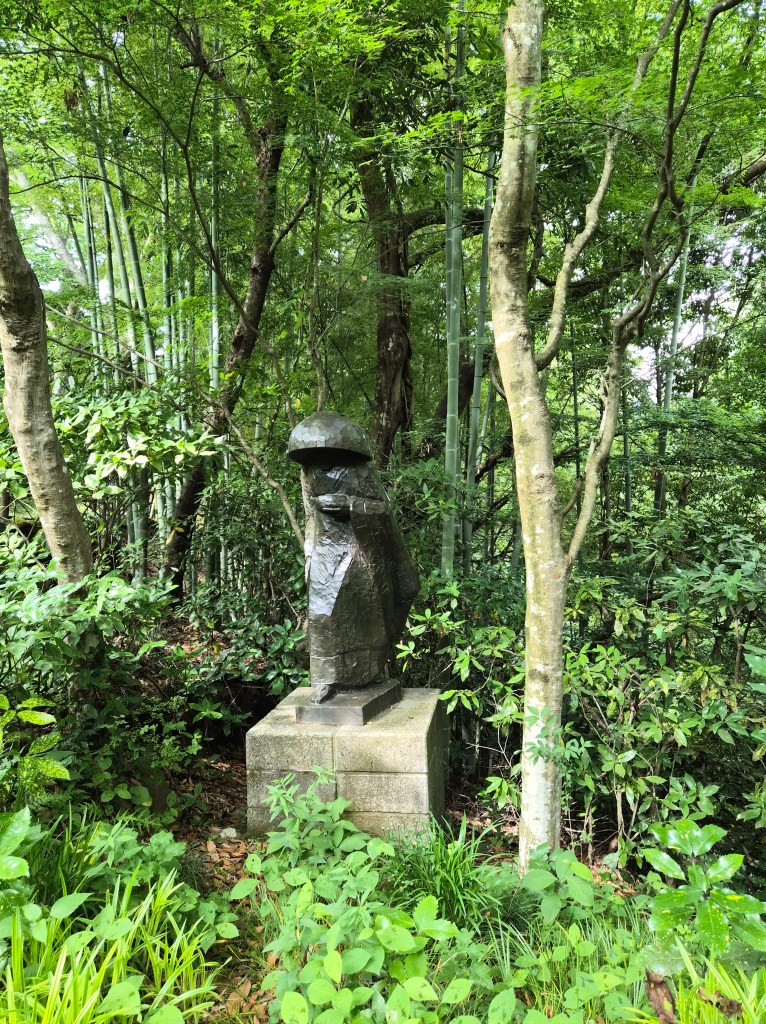
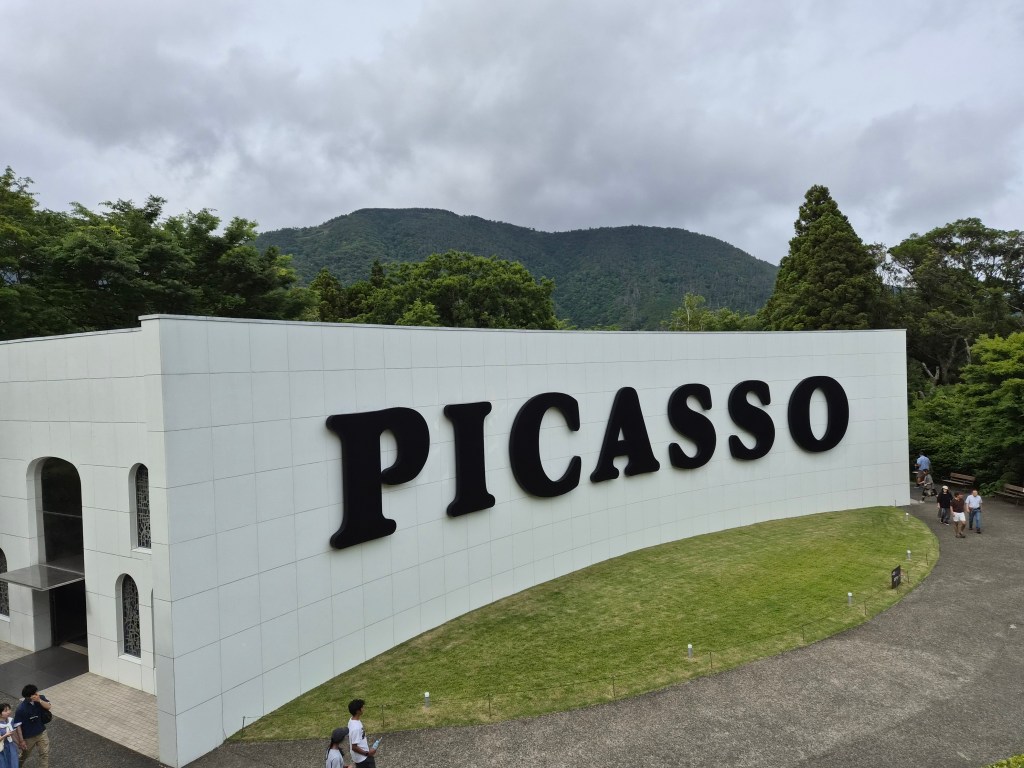
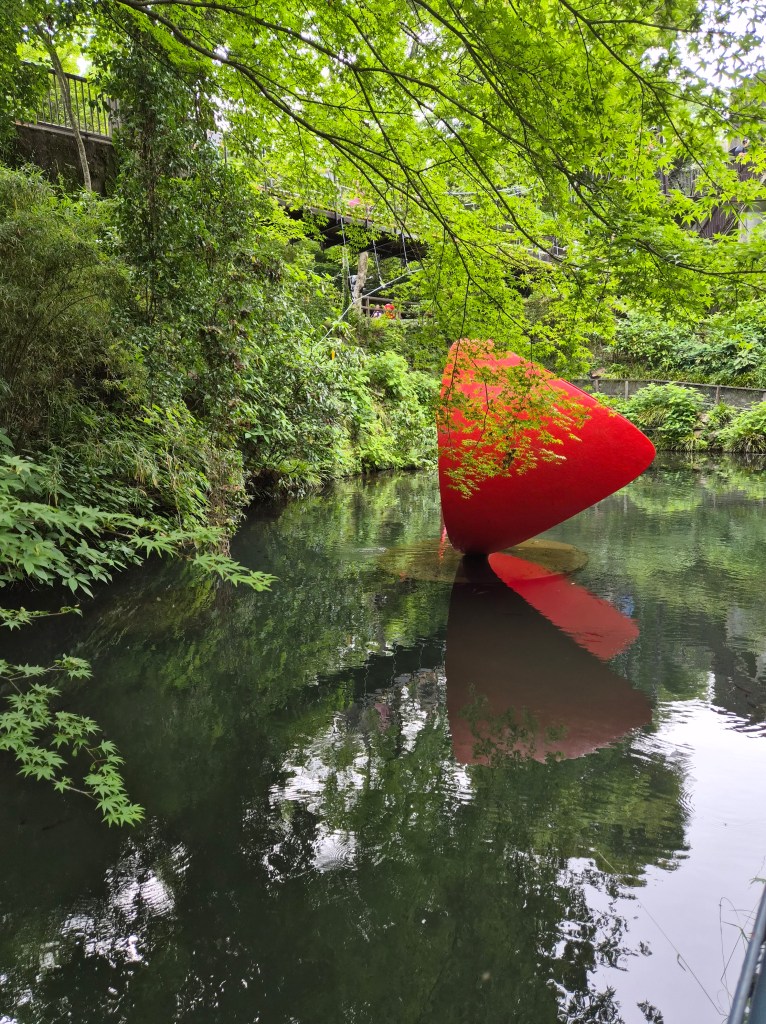
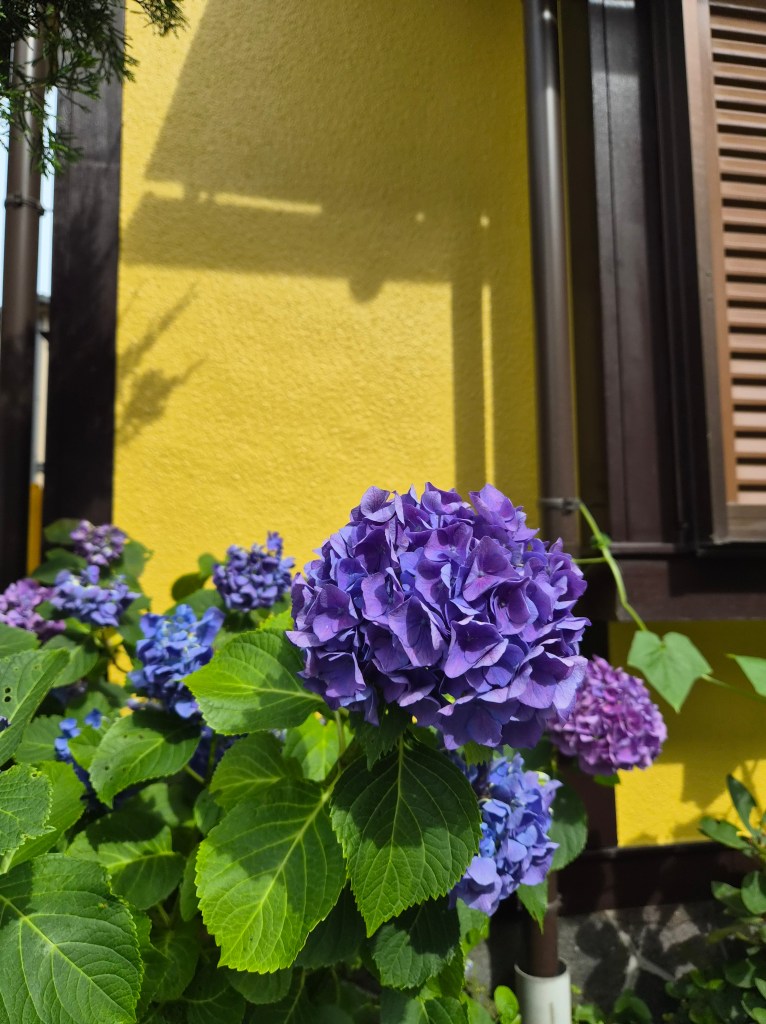
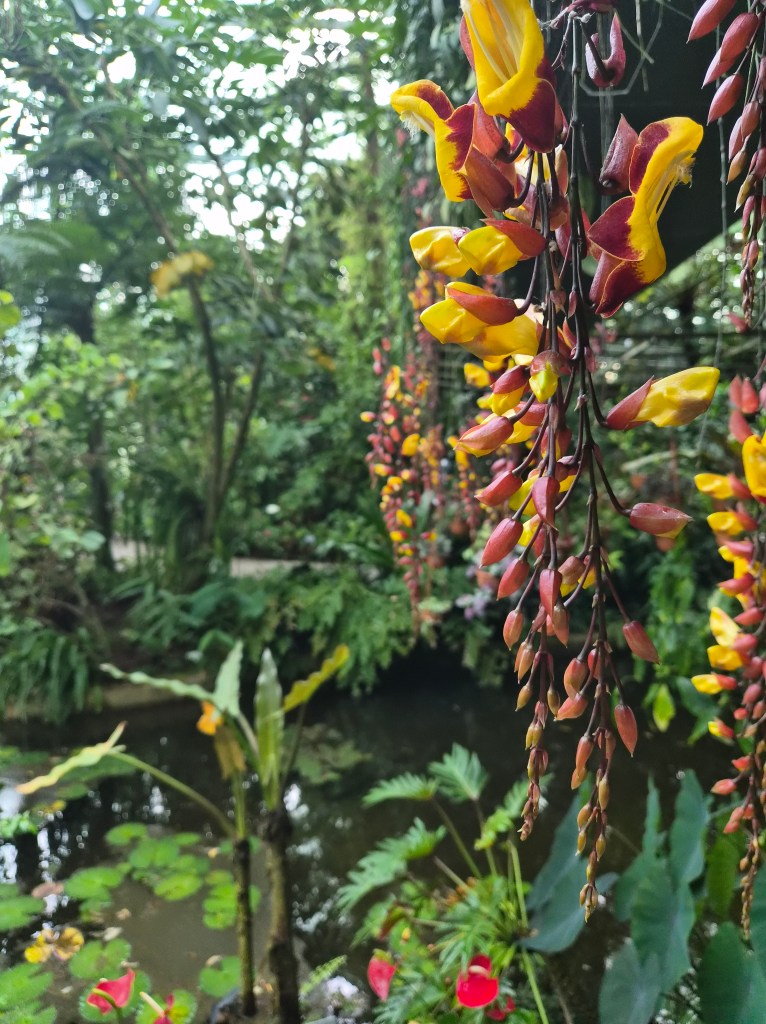
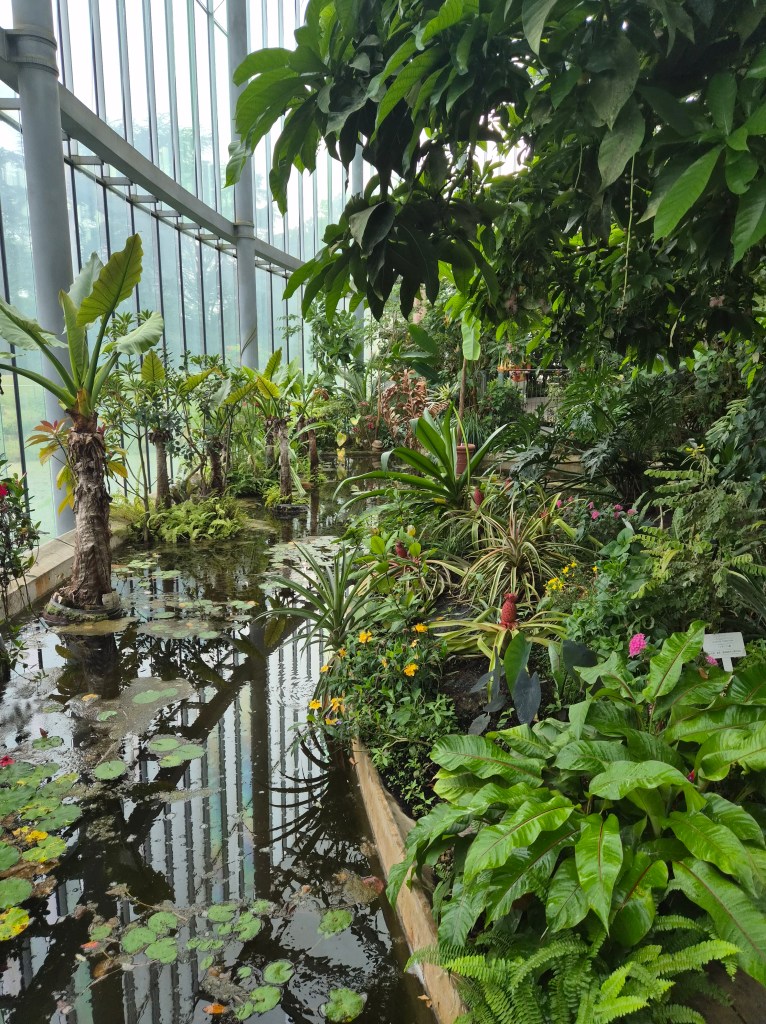
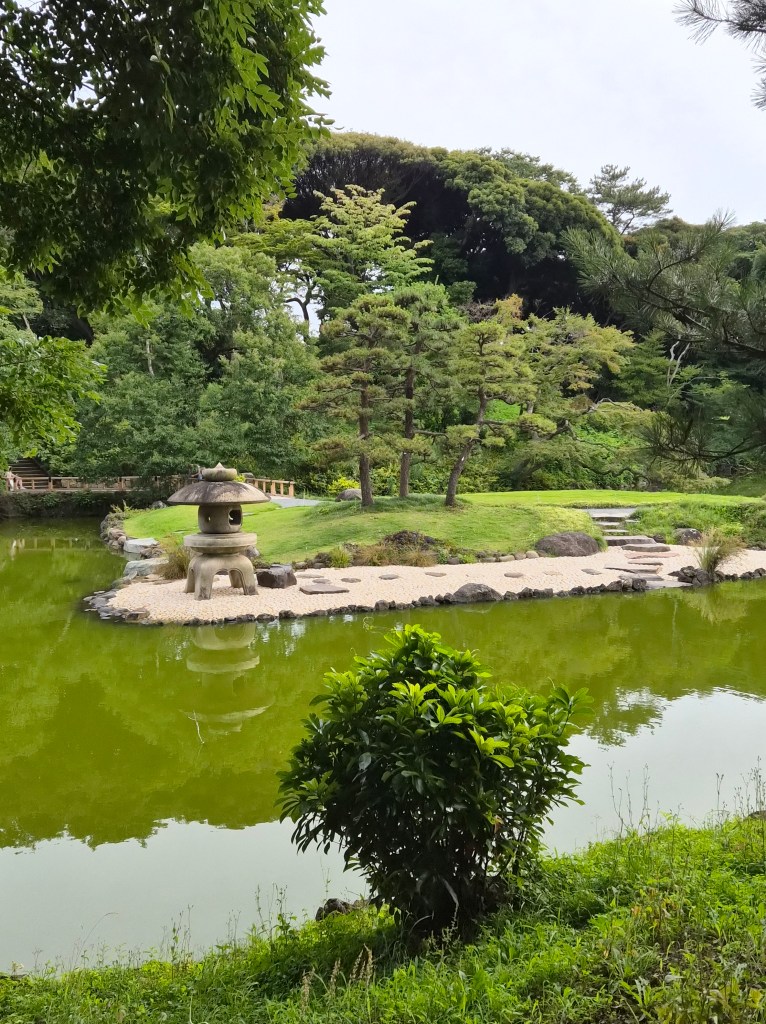
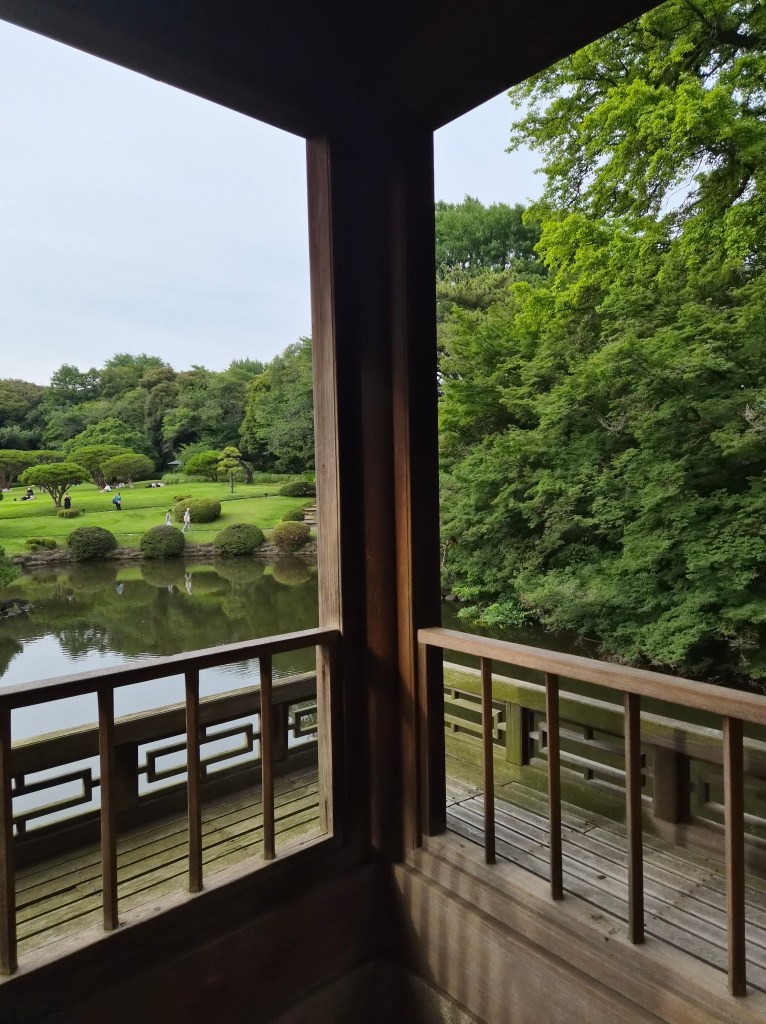
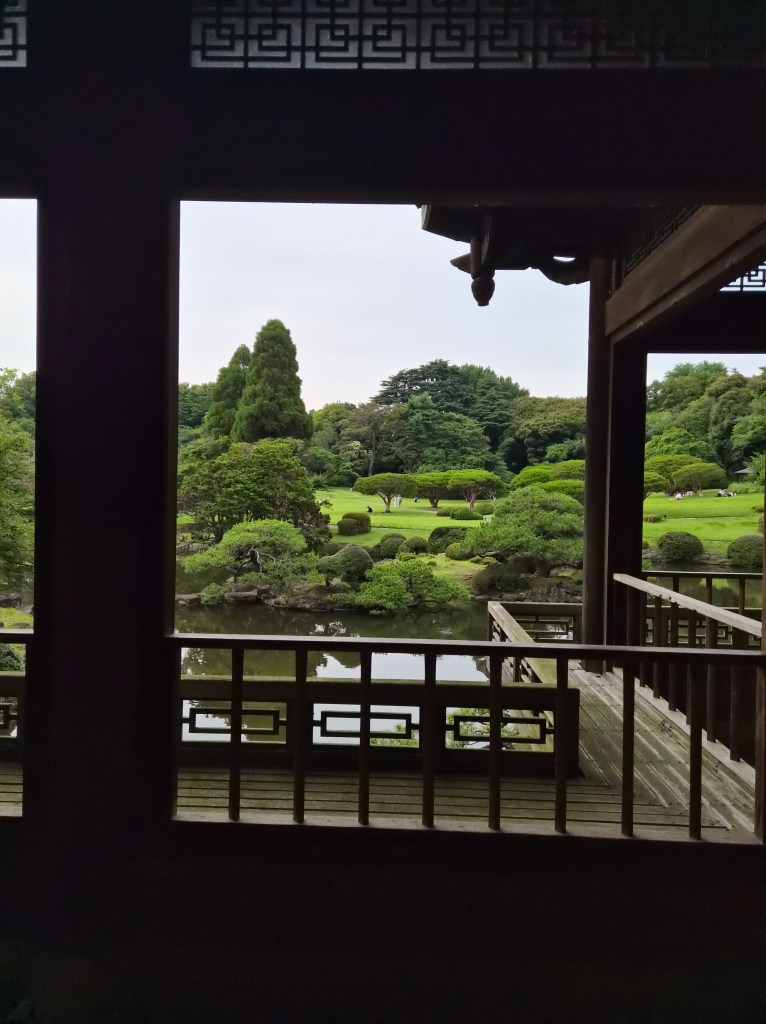
Our other great joy has been the gardens, fulfilling every desire I had when I was a child and talked my grandmother into a buying me a How to Build a Japanese Garden handbook. We stopped in Shinjuku National Garden to see its magnificent, multi-tiered Japanese garden and massive greenhouse earlier this week and were delighted to see people lounging on the grounds as if it was a very well-kept version of Sheep’s Meadow. (Traces of Japan’s imperial history are there if you look for it: the Taiwan Pavilion, featuring a rare example of Chinese architecture in Japan, was a “gift” of the Japanese citizens residing in what was then part of the Japanese empire). Outside the city, we also visited the Open Air Museum in the mountains in Hakone, one of Japan’s first efforts to bring sculpture to the public in the 1960s. Featuring works by major sculptors and a pavilion entirely dedicated to Picasso, it combines the Japanese garden’s focus on weaving paths and layered landscapes with works of art by both Western and Japanese sculptors. Equally charming is the fact that the train that takes you up the mountain, through tracks so steep it has to preform three switchbacks en route, is lined on either side with hydrangeas, the other flower prominently in bloom this month. During the evenings, a lighted version takes people up and down the mountain for the sheer pleasure of seeing the flowers.
In short: it is a marvelous country, both full of beauty and focused on the ways that it can bring that beauty out for the enjoyment of its people. Perhaps it is no wonder that the world has rediscovered Japan, just as it did when the country first opened to the West and took Paris and the Impressionist movement by storm. But if I may, in that hopelessly American way, draw upon another culture to use as a frame of reference, the words that have come most often to mind this week are from Yehuda Amichai’s wonderful poem “Tayerim” (“Tourists”):
Once I sat on the steps by a gate at David’s Tower. I placed my two heavy baskets at my side. A group of tourists was standing around their guide and I became their target marker. “You see that man with the baskets? Just right of his head there’s an arch from the Roman period. Just to the right of his head.” “But he’s moving, he’s moving!” I said to myself: redemption will come only if their guide tells them, “You see that arch from the Roman period? Lo chashuv, it’s not important. But next to it, left and down a bit, there sits a man who’s bought fruit and vegetables for his family.”