
In memory of Rachel Greenberg, z”l, who loved travel in all its wonders and oddities.
Despite all the glamor of our gallivanting around the past few weeks, my last week in Tokyo was primarily logistical: moving suitcases, unpacking in my friend’s new apartment, running to the same grocery store half a dozen times for various supplies of one kind or another. We end as we started on this point: these too are valuable learning points, maybe even more so than the parks and the museums and the other fun stuff. I am enthralled, for example, with the drying function in my friend’s new shower room, where you can hang up laundry and leave it drying under blasting hot air for a few hours instead of having a dryer. (See below if you are interested in the various useful and perhaps less useful tricks of the trade I have picked up in the last month). And it was with no small amount of chagrin that I said farewell to our local coffee shop and bakery, both of which were small, unassuming, and of an excellence that we found nowhere else in Tokyo.
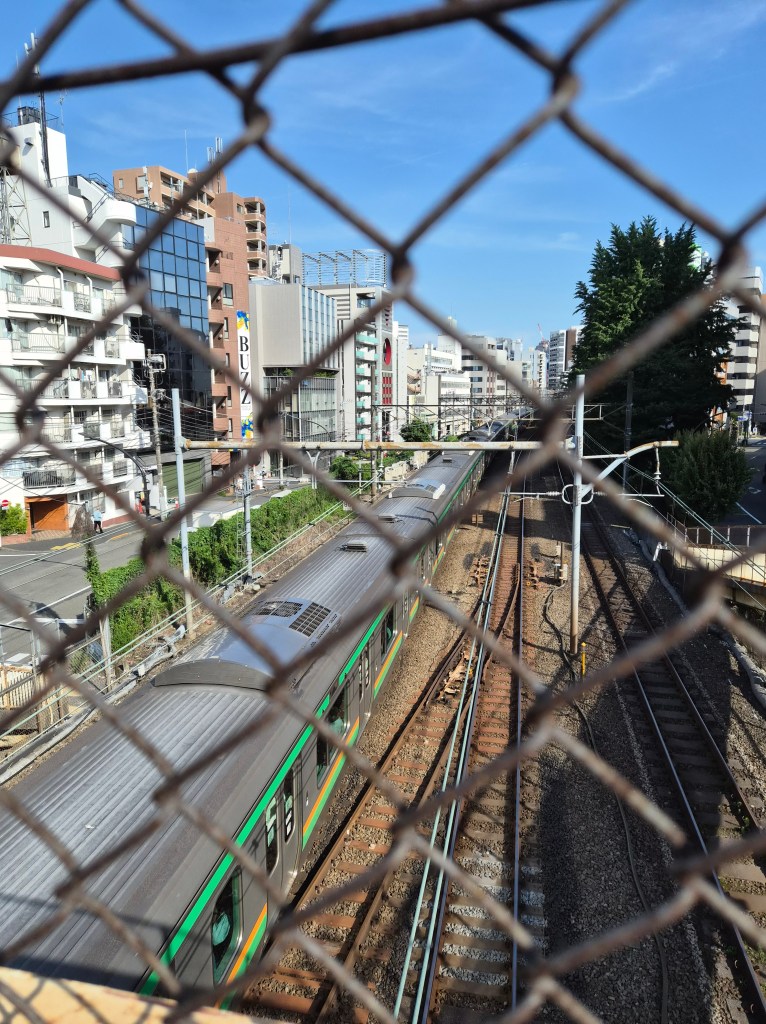
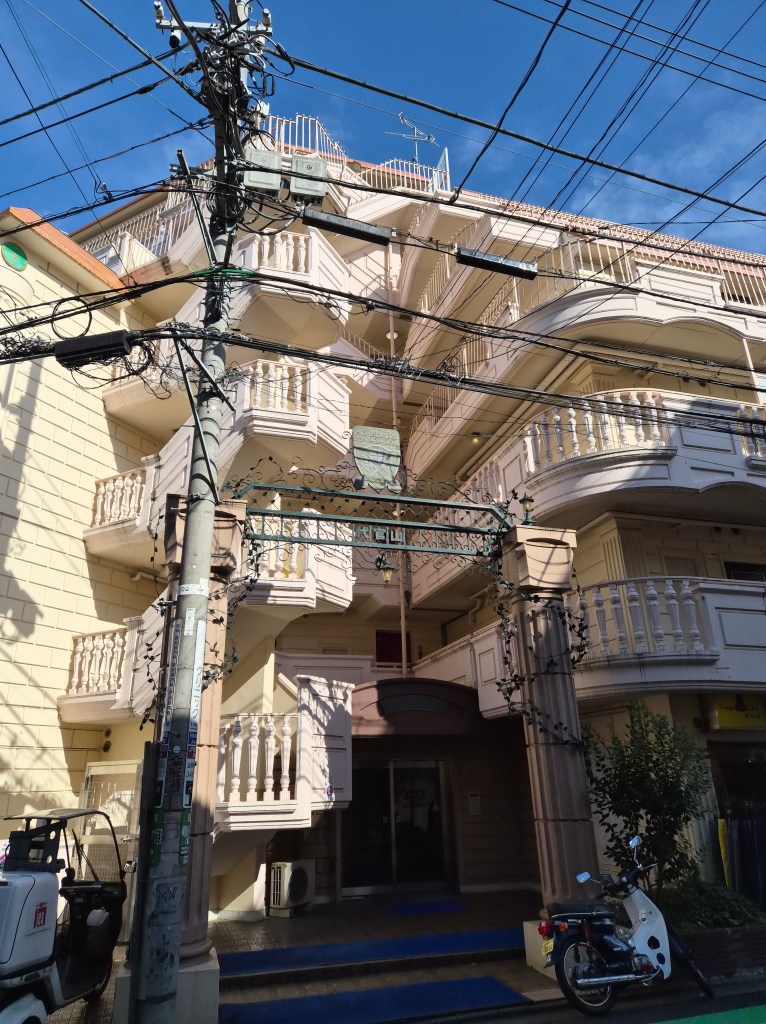
We found some time for fun, though, on both small and large scales. On the small scale, we finally got around to trying out Tokyo’s dessert scene, ranging from a horrifying one-of-a-kind pumpkin-cum-Disney shop (they served only pumpkin-themed dishes, only played Disney music, and offered a bizarre mishmash of pumpkin and Disney décor – and no, before anyone generously tries to point out the sole connection between these two things, there were no Cinderella references to be found) to some subpar strawberry shortcakes and one excellent…. corn cake? Imagine cornbread with a cheesecake layer and fresh corn on top, bizarre but extremely rewarding. Never hesitate to try the weird thing, I guess.
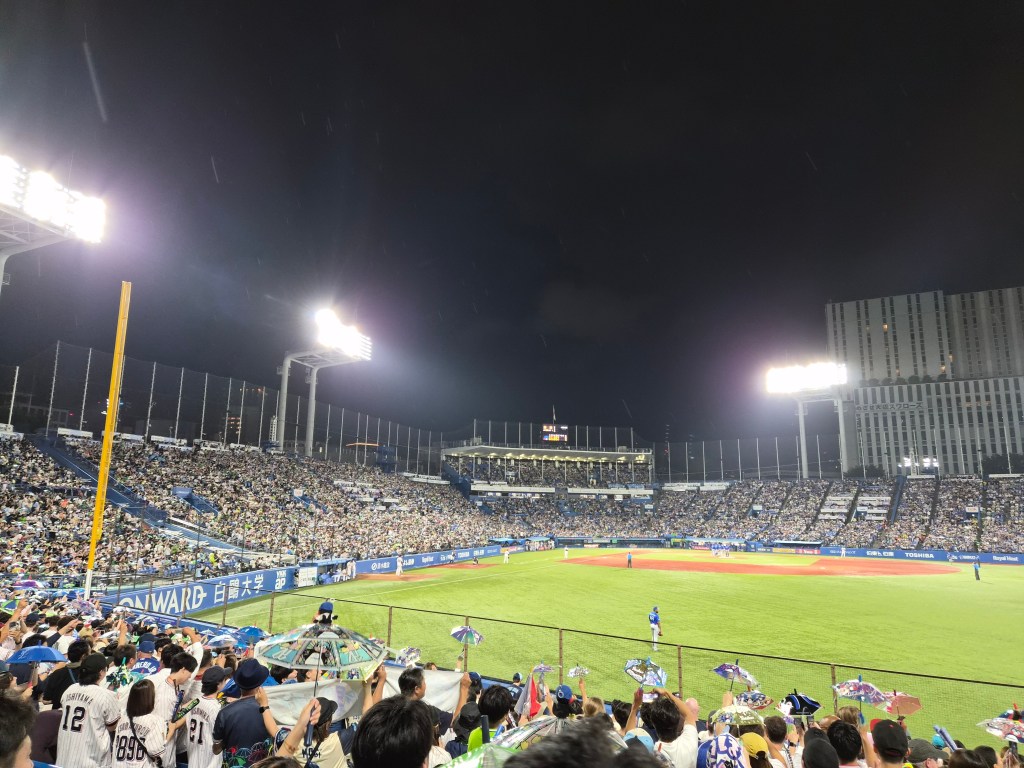
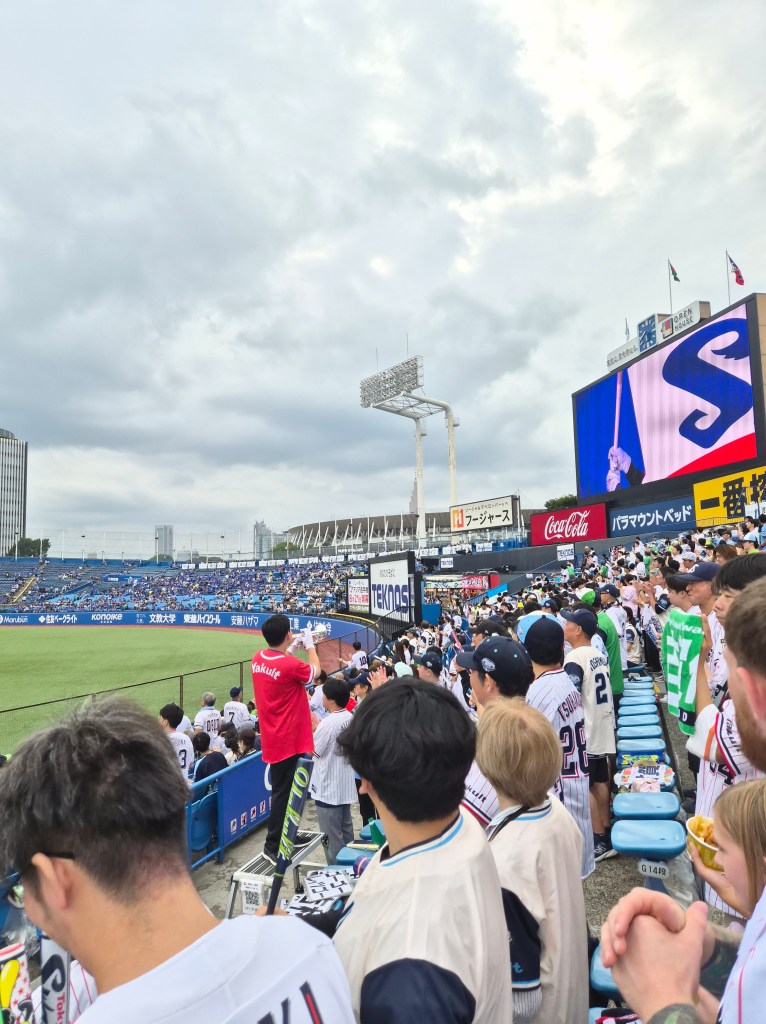
One of the real highlights of the week (at least, for me!) was a baseball game, something which had been recommended to me by several different friends. A dear friend of mine from yeshiva, herself an avid baseball fan, passed away earlier this year in the middle of a world cruise, just days before they were set to reach Japan. She had visited Japan before in her thirties, and this time had hoped just to see a baseball game in Tokyo while onshore. I had resolved a few months ago that a game would be a good way to honor her memory, but I will admit I had expected very little from it – baseball was never really my sport. Still, we had dutifully gotten our tickets for Tokyo versus Yokohama on the fifth, and figured we’d stay at least until the sixth or seventh inning.
And instead, what an unexpected delight! It may be America’s pastime, but the Japanese have put their own twist on it – mostly in how they approach baseball fandom. The cheapest seats are in the cheering sections, where cheering for the other team is expressly forbidden. We had hastily purchased Swallows gear before the game to try and blend in, but what we did not realize until we were seated was these seats also come with the expectation that you will stand whenever the Swallows were up to bat and sing a lot of complicated songs, most of which also (of course!) have hand gestures. (Best of all: the Swallows anthem, where everyone jumps up and down like little bobble heads at somewhat random intervals). They aren’t too hard to pick up (some are half in English), and it seemed that as long as we were clapping along it was okay that we had no idea what the words were. Plus, both home and visiting teams also maintain a roster of trumpet players to keep people nominally in tune and on beat.
I was amazed at how much faster the innings seemed to move with this system in place: you could watch the opposing team sing their songs, you learned the names of at least a few key players on your side with the chants, and I was certainly more invested in my hastily chosen team than I would have been otherwise. Yokohama played a much stronger game, and the Swallows lost, 6-4. But we learned when they finally scored that the entire stadium brings tiny umbrellas to unfurl in event of a home run, which lit up the evening even before the stadium set off a round of fireworks. I left feeling much fonder of baseball than I had imagined I could be, and that my friend would have been pleased we had gone. I’d go all the time if the games were like this in the States.
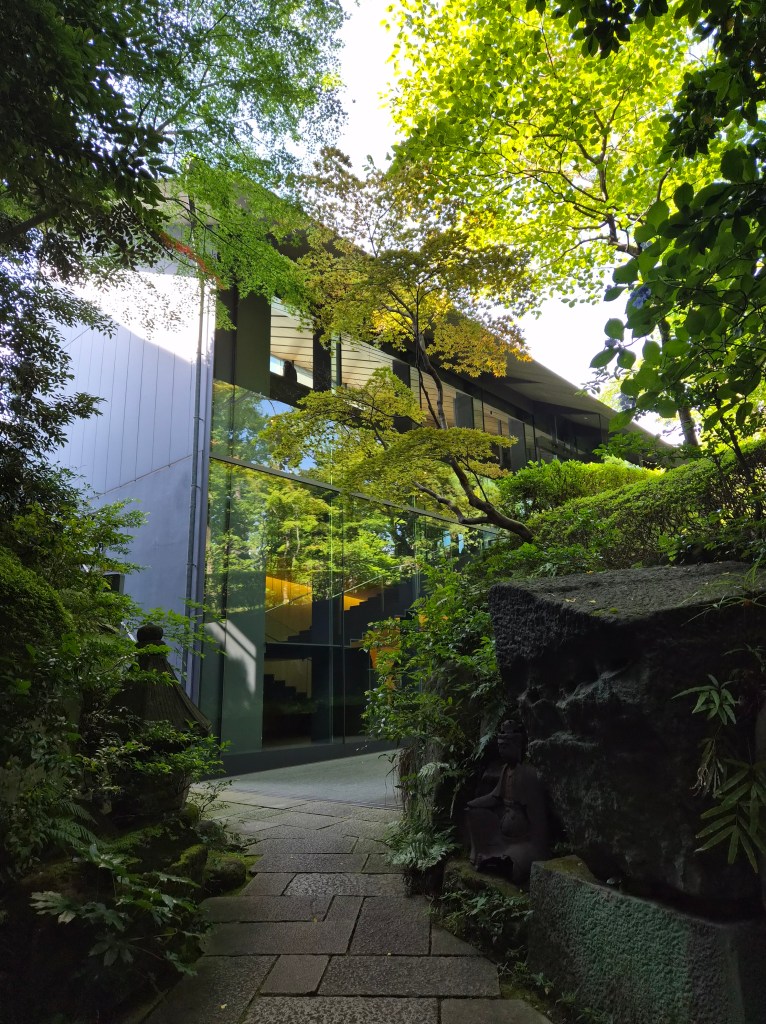
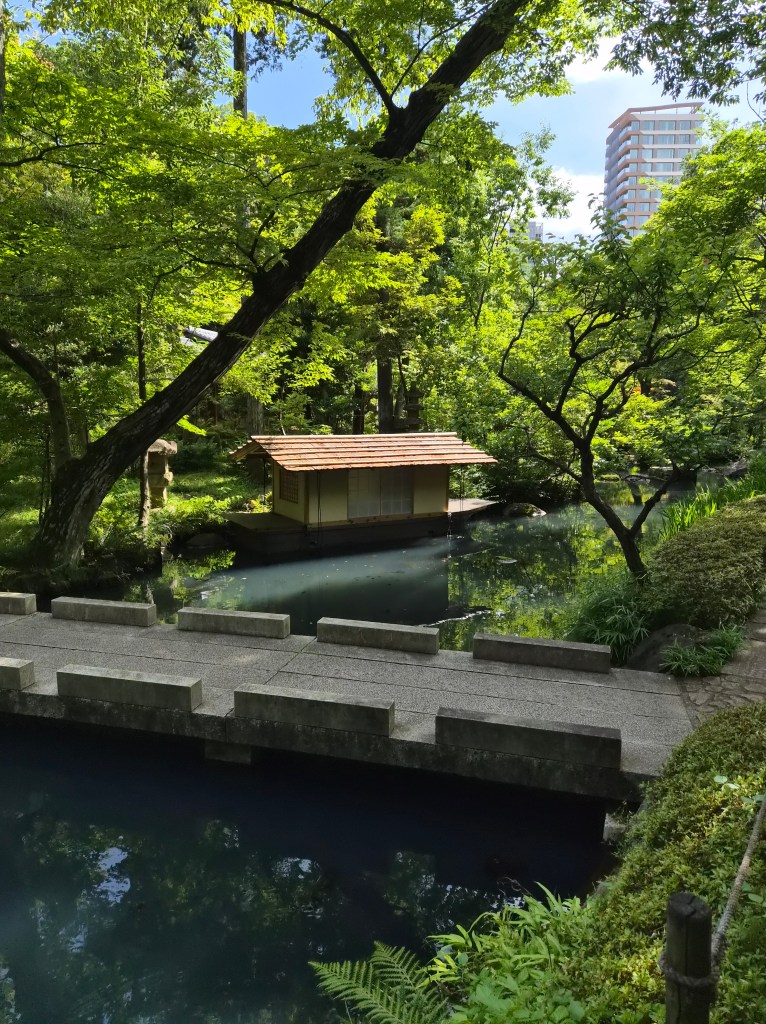
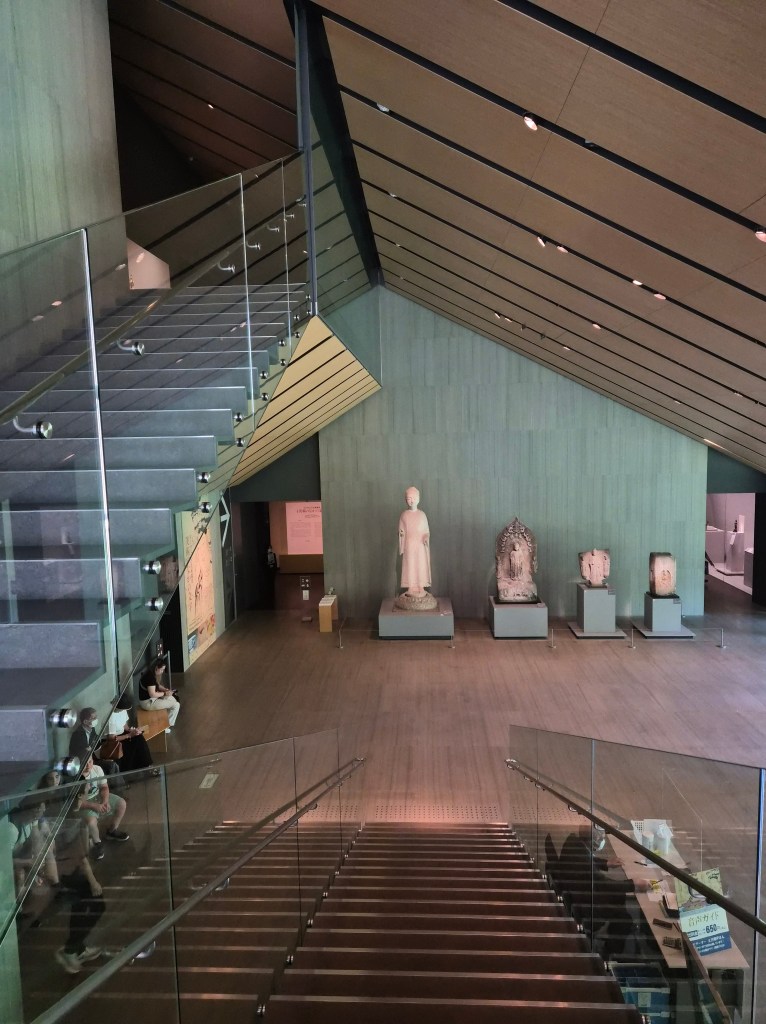
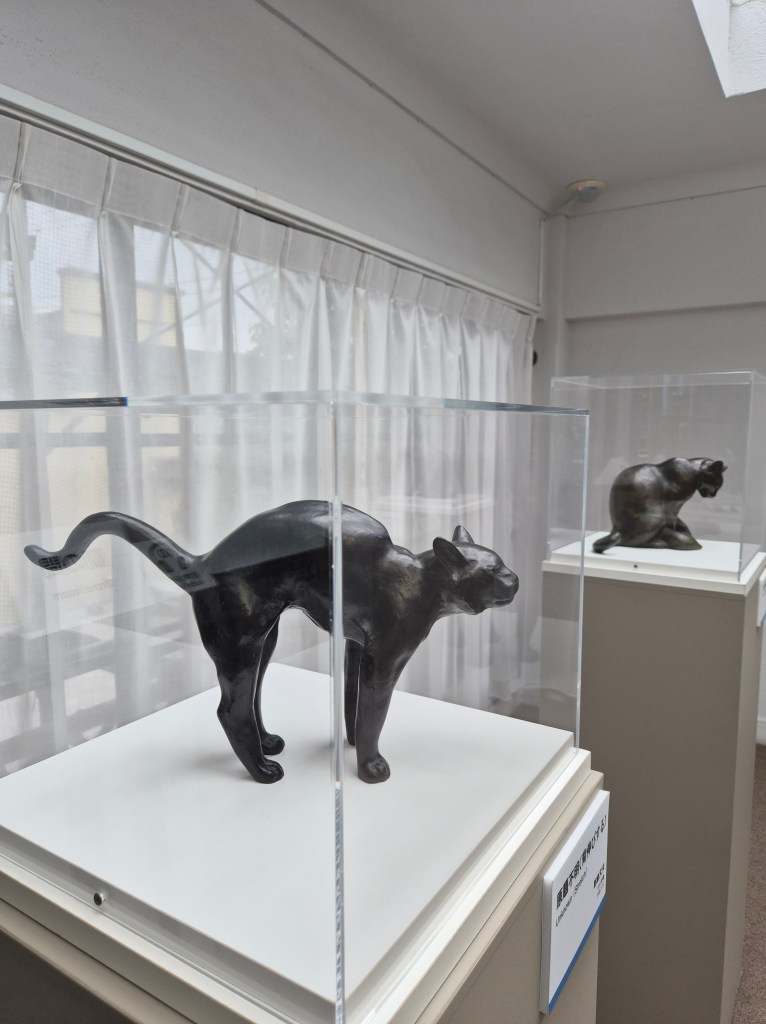
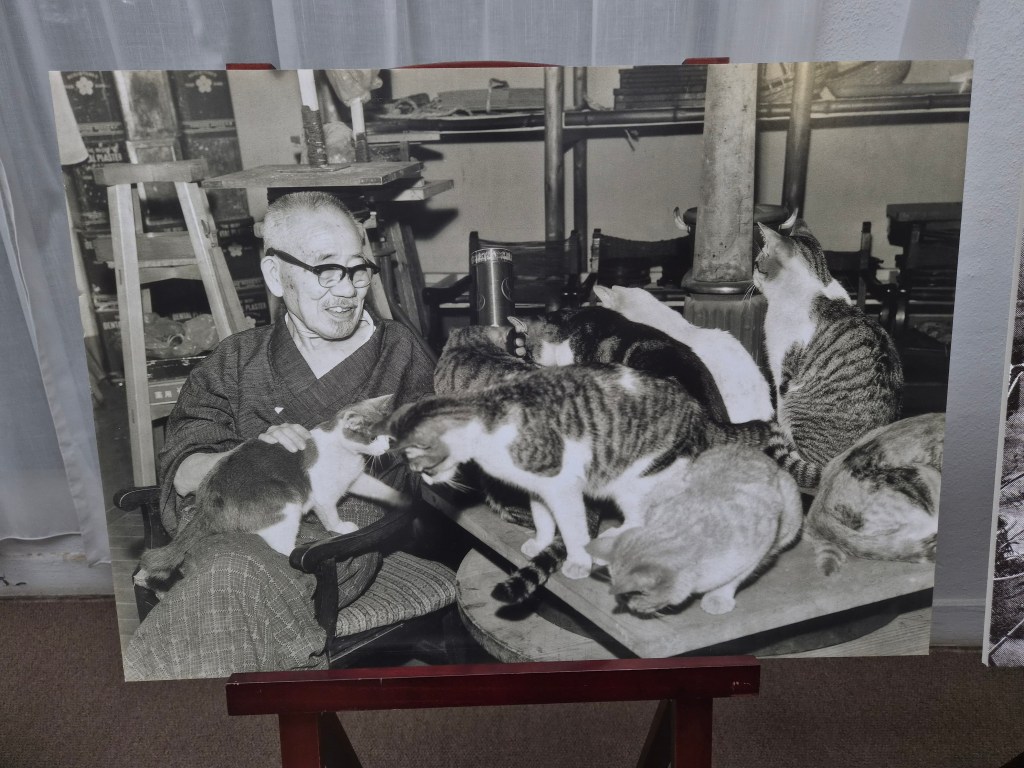
We also managed a few more proper expeditions around town, including several museums and Ueno Zoo. A friend had recommended Asakura Museum to me, home and studio of sculptor Asakura Fumio, an early pioneer in Western-style sculpture in Japan. His humanoid sculptures are all well and good, but the real reasons to go are to see a) his sculptures of cats and b) the house itself, which is built around a magnificent courtyard that is essentially a large-scale water garden. (Imagine a moat, but in reverse, and that the moat is a Japanese garden with koi in it). Photos aren’t allowed in the museum except for the cat room, but you can see the general idea here, although I don’t think they really do the pond situation justice. Closer to central Tokyo we also visited the Nezu Museum, a collection dating from the same period gathered by one of Japan’s first railroad tycoons. It’s the sort of collection that makes you realize how paltry many Asian art collections are at major Western Museums – at least one of the museum’s Chinese bronzes is one of only two of its kind known in the world, the other being at the British Museum. (Nezu is a lot cleaner than the British Museum on the provenance front, but there is at least one item that the government of South Korea has specifically requested returned on the grounds that it was stolen during the colonial period, so we might say that in this sense the British Museum was an honest inspiration). Like Asakura, however, half the reason to go is to see the sprawling gardens, where photos are permitted and art is woven in with nature.


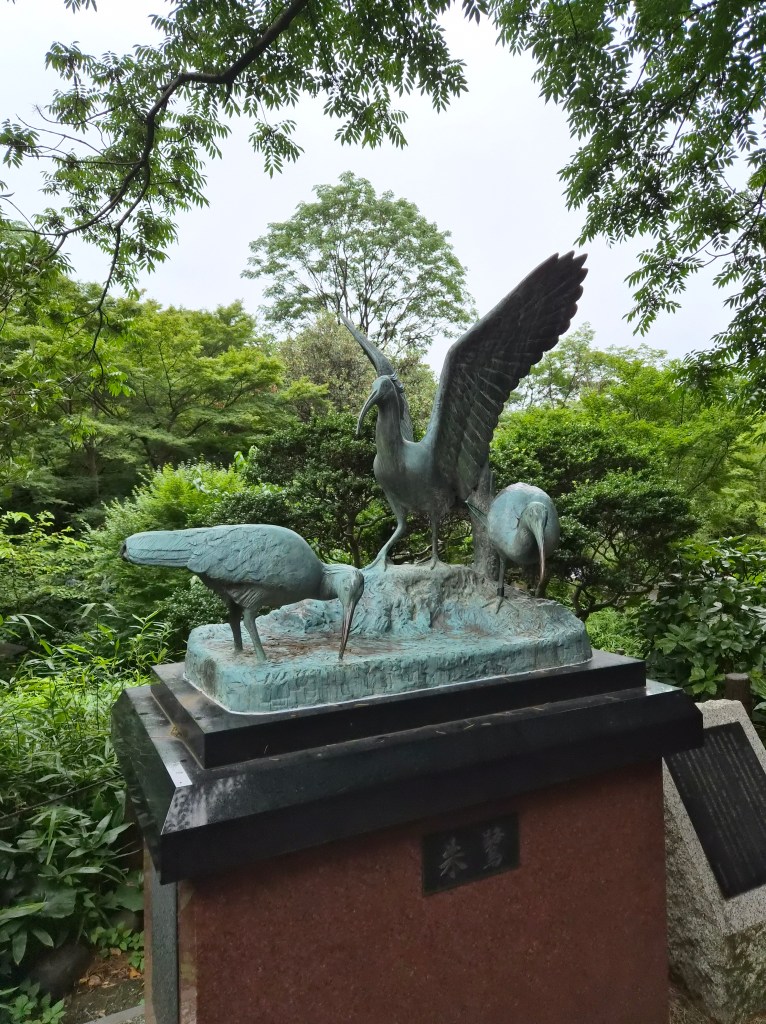
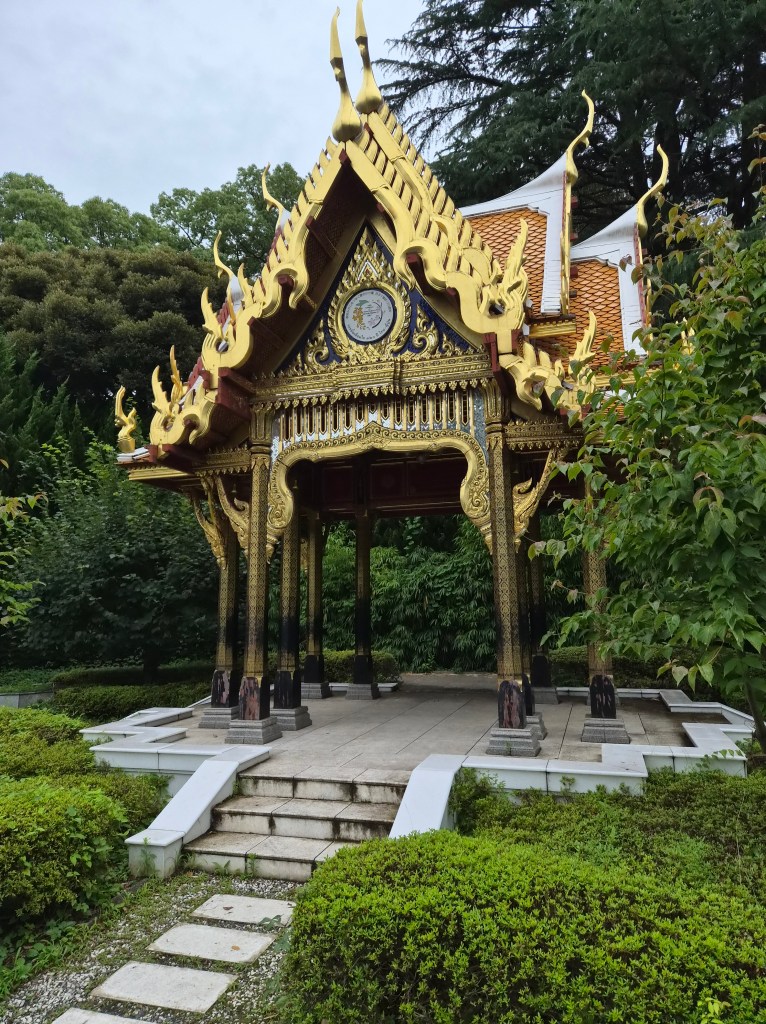
Ueno Zoo is having a bit of an identity crisis at the moment: the train station and surrounding area are saturated with panda imagery (including a massive fake panda encased in glass at the Ueno Station’s “Panda Gate”), but the pandas in question were returned to China in January of this year, as relations between China and Japan have deteriorated. You can still take photos with a stuffed panda and buy an awful lot of panda-themed stuff at the gift shop, but there are tragically apologetic signs everywhere explaining that at present there are no pandas on display. There are plenty of animals left, however, including the North American exhibit (bears are one thing, but squirrels! In a zoo!). I was also fascinated by the various monuments dotting the zoo. Some, like the pandas (until their departure, anyway), and a peace pavilion dedicated by the government of Thailand, were living and physical gestures towards diplomatic relations. Others were focused on preservation: a particularly touching memorial honored the Japanese ibis, which very nearly went extinct in the 1990s, and the villagers of Niibo on Sado Island, who had fought to conserve them. The monument was dedicated in 1991, when the future of the ibis was uncertain, and the two remaining birds from Niibo were being sent to Beijing in the hopes of successful breeding. I looked them up after and was delighted to see that that breeding campaign had been a success, and that the ibises have since been reintroduced to Sado Island.
The museum also has an animal cenotaph now dedicated to the animals in its care who have died, which is updated every month. We found it strewn with flowers when we arrived – the zoo’s only Ezo brown bear had passed away on June 29. I wondered, but could not verify, whether the cenotaph’s origins lay in a darker period of history – some rumors suggest that it also honors the zoo animals slaughtered by the Japanese government in 1943. (Various reasons have been given for this slaughter – it was presented as a military necessity by some government officials, who claimed that the animals might be loosed during an air raid and wreak havoc on the population, but other scholars have argued the purpose was primarily propagandistic). Unsurprisingly, the cenotaph’s description made no mention of the incident in its English captioning. As with so many things in modern-day Tokyo, either you knew or you didn’t.


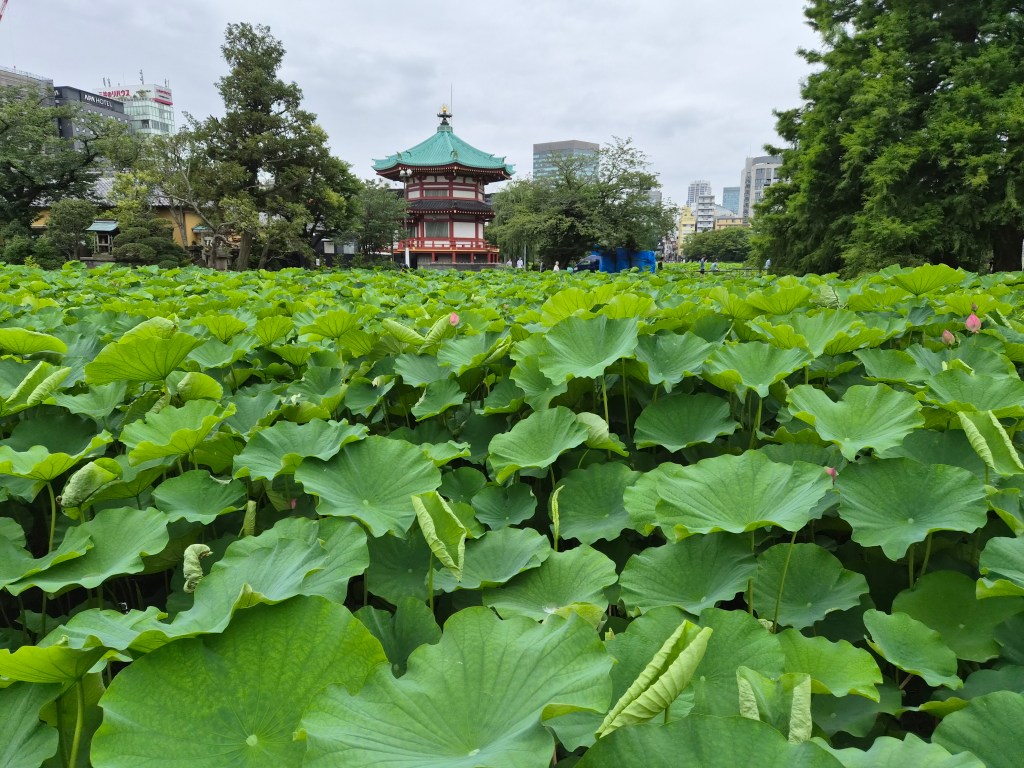
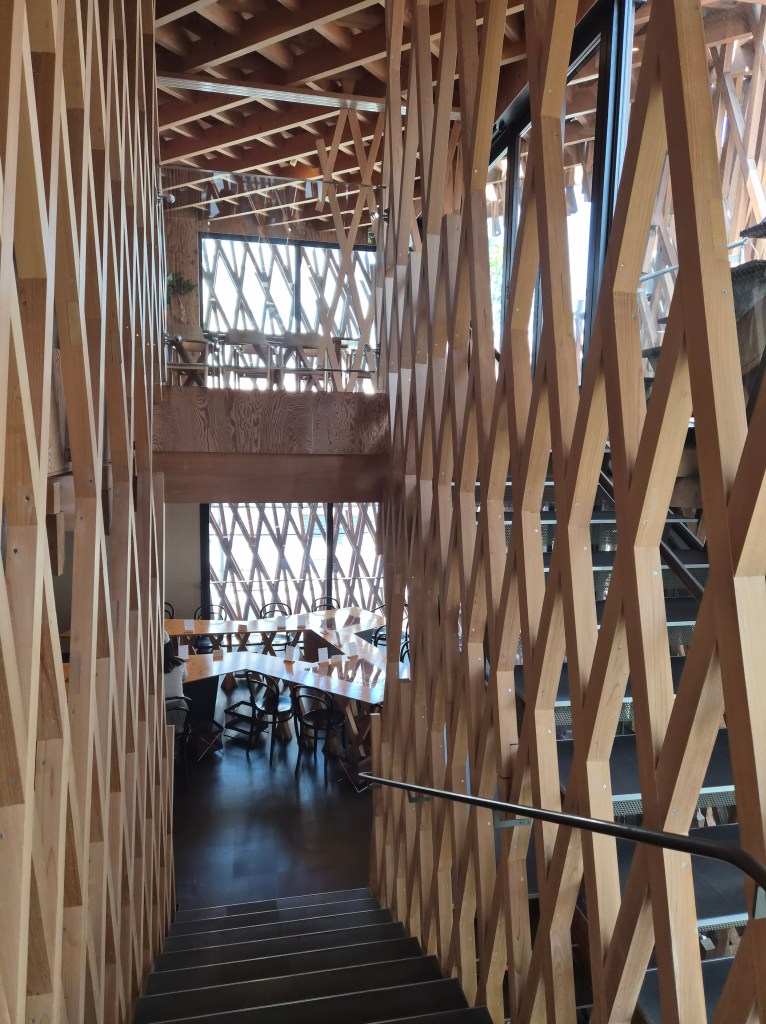
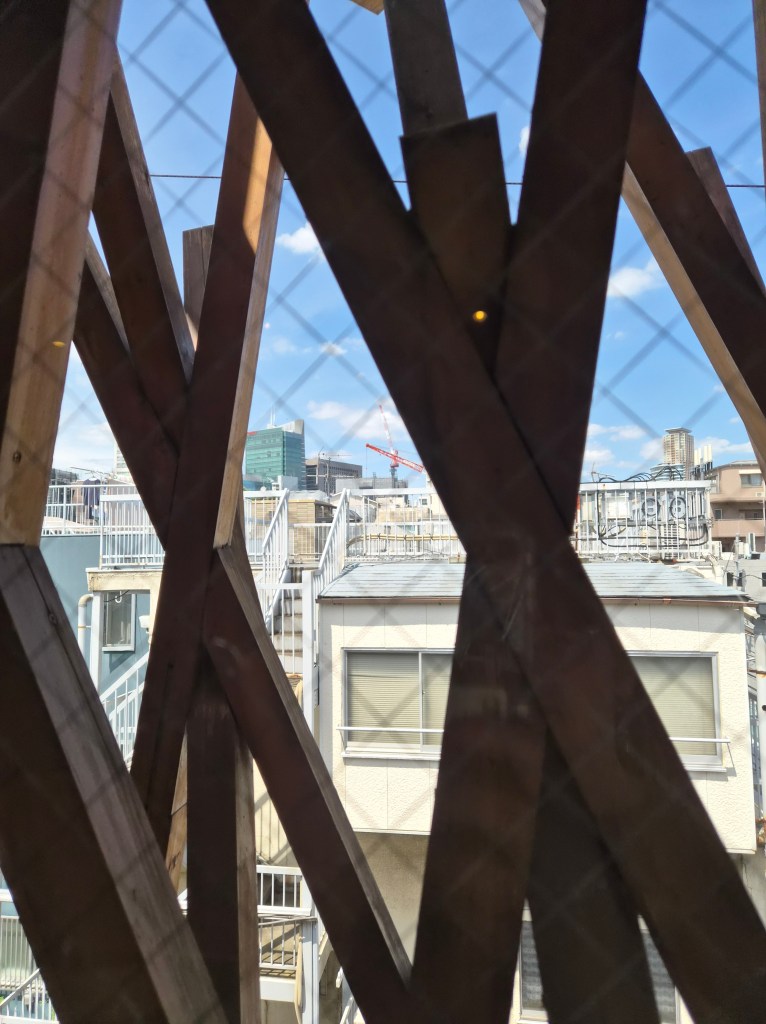
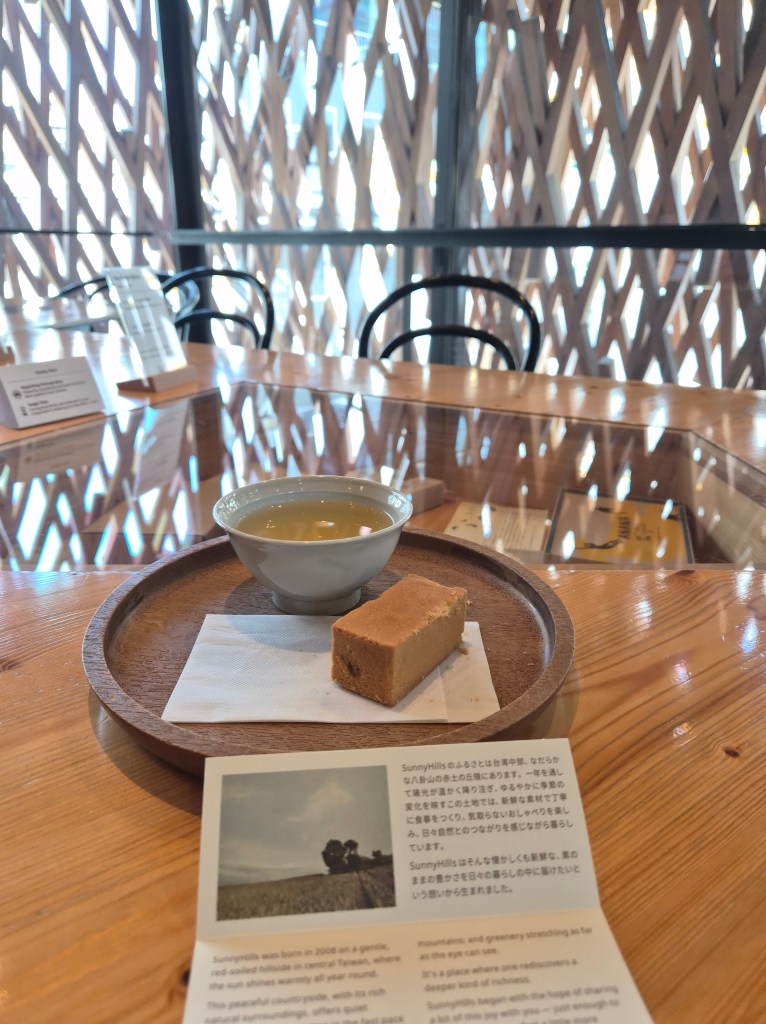
This lingering sense of – old casualties? Disaster preparedness? Unspoken history? – hung over all three of these places, relics of a time before World War II. Aksakura’s museum is in part a proud focal point in its neighborhood because it is such a rare example of prewar architecture and survived the raids; the Nezu Museum’s collection was located out of Tokyo and saved during the war, but its buildings were all destroyed – what a visitor sees today has been built from scratch, like most of the buildings in the neighborhood. This has resulted in some incredible architecture – probably the coolest building we found was nearby the Nezu Museum, the architect Kendo Kuma’s SunnyHills Pineapple Shop, built of latticed joints that creates a woodsy getaway in the middle of ritzy Omote-sando. Unlike Hiroshima, there is little to point a viewer to what the city looked like before; the destruction is usually noted in descriptions and then left alone. Tokyo also lives ready for another earthquake, which contributes to its jagged and sprawling design – one senses decidedly less sentimentality about old buildings here than one feels in the States. We only felt one noticeable earthquake while I was there, my first, but it was certainly enough to help me understand why so many of the buildings, while wonderfully functional, seemed less concerned with outward appearances.


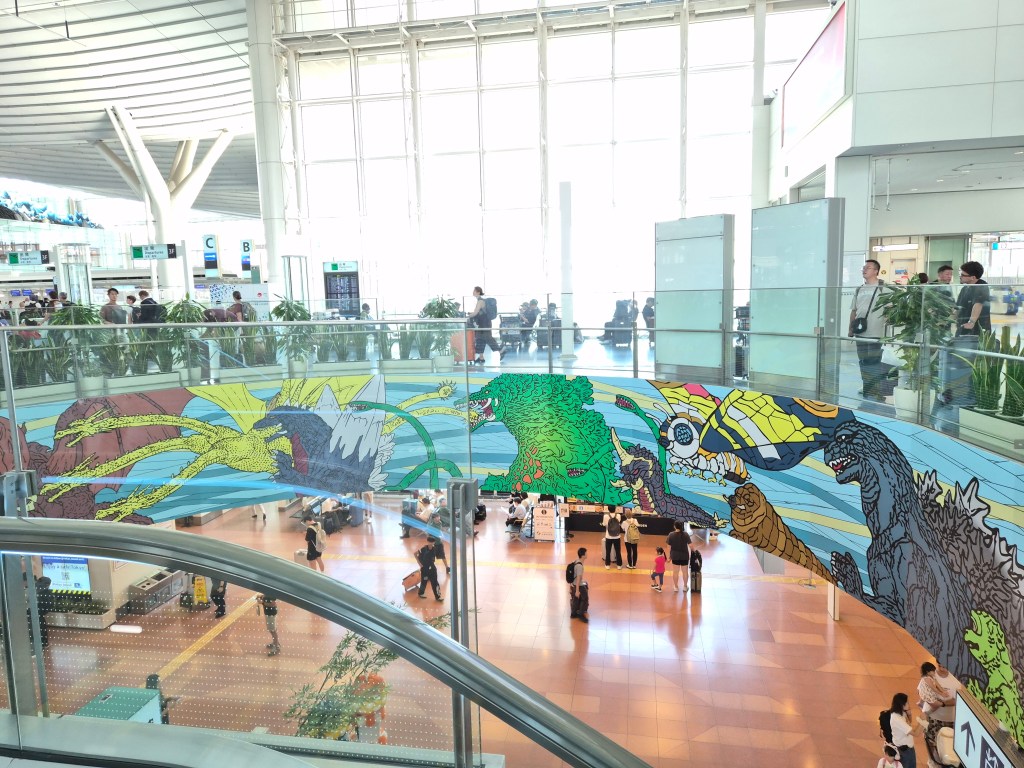
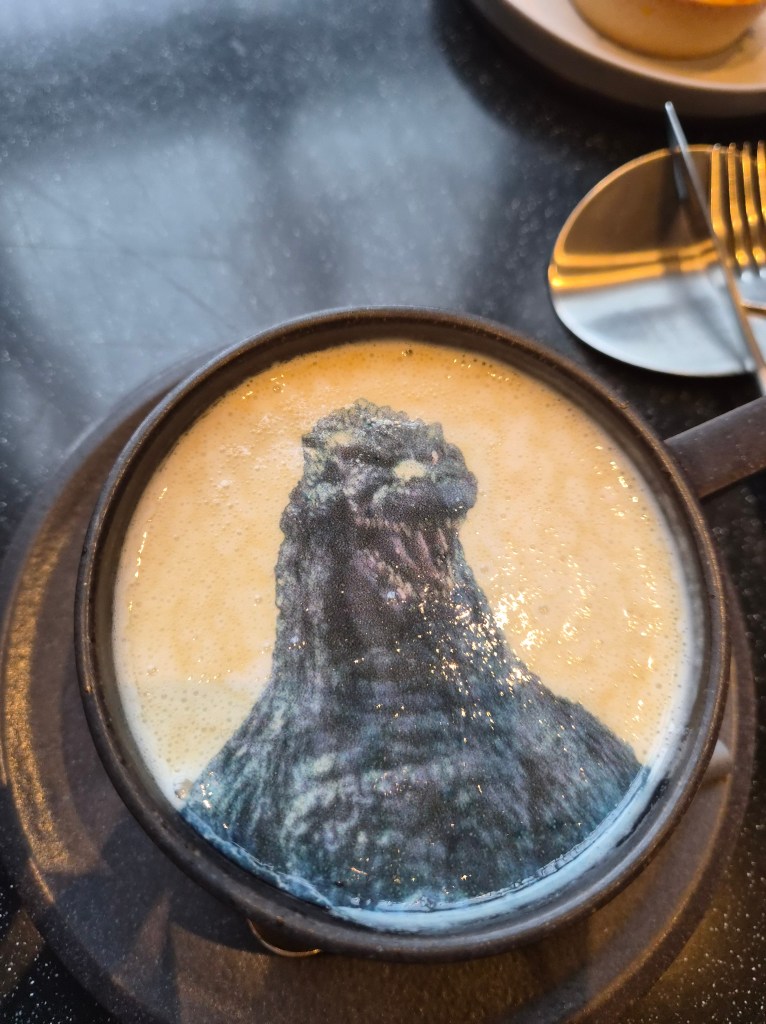
But of course the lingering fear of death, destruction, and the collapse of Tokyo is present in another form in Japanese modern mythology: it’s been outsourced to Godzilla! What memory scholar wouldn’t love the way Godzilla films can use a gigantic radioactive monster barnstorming Tokyo to explore different aspects of Japanese history and culture, from its labyrinthine bureaucracy (Shin Godzilla) to its culture of self-sacrifice (Godzilla Minus One)? I dragged my friend back to Shinjuku during our last week to go to the Godzilla Café behind the massive head that looms over one of the city’s buildings (and, on the hour, plays the Godzilla theme song and shoots out steam with flashing lights), where you can get absolutely terrible coffee with Godzilla’s face on it. (Worth it? I mean… if you like Godzilla as much as I do). Better yet was the installation preparing to bid visitors farewell at Haneda, where Godzilla lurks above the Departures Hall ready for attack. But whenever and wherever we see him, we are also seeing something of the Japanese resistance and recovery from war and the atomic bomb – a way to explore and process that trauma through art, and not a small amount of humor.


Recovery, preparedness, humor, a focus on beauty, conservation, team anthems where everybody is happy to jump up and down in support of a cause – how much there is to learn from this country! I was so glad to go, and I will be glad to return, not the least because it was summer and so I never did get to see Mt. Fuji. But in the meantime, I was glad to be going home. As my flight to Seattle boarded, an announcement came out in both Japanese and English to inform us that a class of high schoolers was on our flight, coming to study in the States for the summer. Airport staff wished them safe travels and good luck, with hopes that they would bring their experiences and their talents back home. They were all abuzz with excitement as they spotted the peaks of the Olympic Mountains breaking through the tops of the clouds on our descent into Seattle, a reminder that every destination, no matter how familiar, is a new adventure for someone. We might wish the same to our American travelers heading off to Japan, I think. Go off and learn – and then bring the best of their lessons back home.
Japan: Tallies & Notes
Earthquakes: 1
Typhoons: 2
Accidental consumption of fish: 3
Public Shame: Smoking Jails
Japan maintains a better system of public shaming than we do in the States. Plenty of things – maintaining a low volume on the subways, not wearing shorts around, queuing properly for popular things, being mindful of your bags in crowded spaces – are not specifically articulated, but communicated through the subtle system of watching everyone else and passive aggressive staring. By far my favorite of these concepts, though, were the smoking jails – little areas in hotels, on the streets, and in neighborhood pockets where you have to crowd into a little box if you want to smoke to spare all the other people from the smell. The best are the clear ones, where the rest of the world can look at you like you are in a little zoo exhibit, followed by the opaque walls where you can just see everyone’s feet. Smoke if you like, they seem to say, but you need to be at least a little inconvenienced by this habit. Genius.
Notes on the Subway
Transfers: do not make the mistake of thinking “oh, these two stations are pretty close together; I could just walk” when you need to be somewhere in any kind of time. The subway system can sense this, and your nice simple transfer will turn out to be a kilometer away under fourteen different buildings, two shopping malls, and at least one exhibit (this time of year, it was most frequently the Japanese soccer team, RIP). More than fifteen minutes in one of these scenarios and you will become that guy in Exit 8, doomed to wander beneath Tokyo forever. I don’t make the rules.
Idiot Tickets: we learned in Nagoya that there are still some stations where if you happen to take the wrong line and then return to the original station to switch lines, the gates will not let you out, because they think you haven’t “gone” anywhere. If so, you can explain your foolishness to a station attendant, who will give you a special ticket asserting to the ticket gate that you are a moron and that you can put into the machine instead of your regular subway ticket. (They will, of course, hand it over with an air of deep resignation and avoid eye contact). It was such a funny concept that I wish I’d been able to keep mine, but the machine did not return the ticket after the experience. A shame.
Measuring the Severity of a Problem
If you, like me, are constantly worried about being an inconvenience to other people, I have devised a helpful metric in Japan: the problem you have caused multiplies in severity each time another person gets involved. E.g.: at the singular place during my whole month in Japan that we were successfully able to get a vegetarian alternative made to a main dish, we notched two waitresses – but felt much better when a different group had trouble paying and eventually drew three staff members. My friend managed four at a 7/11 convenience store when trying to ship my suitcase to Haneda Airport, one of whom she suspected was an off-duty manager, due to an error made by 7/11 staff, As scenario demonstrates, the number of people does not always mean that the problem is your fault, per se. But it may mean you are unable to bring yourself to show your face at the same place again for several weeks.
Bonus: Literature Recs
If you are dreaming of a trip someday but resigned to an armchair for the moment, these are some of the best novels I’ve run across in the last few years that came to mind during this trip:
– The feel of a Tokyo neighborhood: Banana Yoshimoto, Moshi Moshi (2010)
– For baseball fans: Yōko Ogawa, The Housekeeper and the Professor (2003)
– On the winding trauma of WWII: Fractured Soul, Aki Mizubayashi (2023)
– Murder mysteries: Keigo Higashino, The Devotion of Suspect X (2005); Seishi Yokomizo, The Honjin Murders (1946)
– Feminism in Japan: Yūko Tsushima, Woman Running in the Mountains (1980)
– A fixation on beauty: Riku Onda, Honeybees and Distant Thunder (2023)

