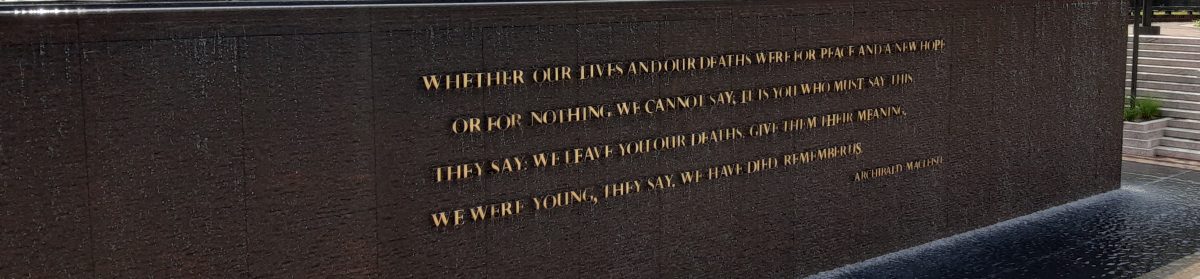
This September, on a flight from Seattle to Chicago, I met a man who lived in Michigan and was flying home to surprise his wife. Flights into O’Hare, for anyone who has not had the unique misery of heading there themselves, often land early and then sit stranded out on the runway for half an hour. This one took a full hour, and he grew increasingly worried that he wouldn’t make his connecting flight to get home in time. I asked what he would do. “I’ll just rent a car and drive,” he told me. If he did that, he would still get there by the time she woke up.
I could make a statistical guess based on various demographic details about how he voted last Tuesday. I could probably make similar guesses about other strangers I have met in my endless trips around the country: about a retired Army colonel who lives in North Carolina and paid for me to go on a historical tour because he heard I was a student; about the man who stopped my father and me when we were out canvassing in Wisconsin a week ago to warn us that without a flashlight on, we risked getting hit by a car; about a group of women who took me out to lunch in rural Wyoming just because I had driven up to visit their town. I could, but I won’t, because I remember them as decent people, and because we must see our fellow Americans as human beings first, whatever they are to us second.
Continue reading “Lest We Forget” Much That Is Fair