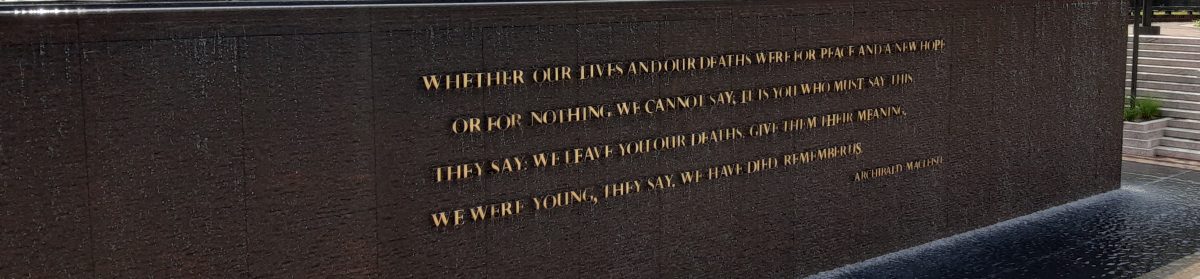
As a child, I first encountered Ireland through its music. One of my favorite songs on my mother’s Kingston Trio CD was “Roddy McCorley,” the song about the 1798 revolutionary who was hanged on the bridge of Toome. This meant that practically the first thing I ever learned about Ireland, ahead of the shamrocks and the leprechauns and the Guinness, was that they were an unrestful country: “In Ireland,” the recording begins, “in all of their many revolutions, they always found someone to use as a hero.” It would be many years before I learned what exactly they were revolting about, but those two early associations would remain: music and an unquiet existence.
It was partly for this reason that I had decided against including Ireland in my trip to the UK this past fall – having learned the history between the two countries in the years since I first heard Roddy McCorley, I thought it would be somewhat of a disservice to Ireland. But a friend’s 30th birthday dovetailed with a conference I am attending in Prague this week, and so we decided to plan out a trip that would allow me to enter the EU a little early and take a shorter flight to Czechia, and Erin’s Isle suited both our coordinates and our ideal climate, and so we took the plunge. It was a long trip (10 days!) and we packed in a lot, so what follows are a series of somewhat related vignettes: complicated reflections on a complicated land.
Dublin, Part I
In hindsight, our first day in Ireland set the stage for the trip: it was a day of extremes, showing us both the best and its worst. Neither was exactly what we had expected.
Our 5:30pm flight from Boston had landed at 3:55am Irish time, and as we waited for our luggage in the baggage claim, the famed Irish hospitality personified approached us, armed with a clipboard, and asked if she could conduct a survey (at four in the morning!) about how we were finding the airport. I said I hoped they didn’t ask her to pull this shift often. “Oh, no! Just three days a week,” she replied, utterly unfazed. We assured her that the bathrooms were very nice.
There is no train into the city from Dublin Airport, only a confusing series of buses run by two different services that all go to slightly different locations. We learned this the hard way when we boarded the wrong bus, but it got us to the River Liffey and from there it was a fifteen-minute walk to our hotel, the Davenport, which I had booked on a whim because they had a good deal with my credit card. We arrived at 7am and asked if we could drop off our luggage, since check-in was still eight hours away, only to be told that they’d give us a room right now if we liked; not to worry, it would be easier for the staff that way. And so we had time to shower and sleep a few hours before we set out into the city, a great mercy and an auspicious start.
Scarcely three hours later, however, we had our brush with the other side of Irish hospitality, which manifests not as anger or brusqueness, as I have certainly seen elsewhere, but in complete and utter indifference. Attempting to get lunch at a local restaurant by our hotel, we were first forgotten completely by the waiter for a good twenty minutes (we eventually had to get up and bring her back to our table), then given the wrong orders, then ignored as we tried to pay and considered the merits of dash and dine under the circumstances. At the start of the week, we figured both the Davenport and the restaurant (it was called Peaches, for anyone traveling to Dublin soon and looking for places to avoid) were extremes. Instead, we discovered that they were the only options: you get one or the other, but you won’t find anyone doing things halfway in this town.
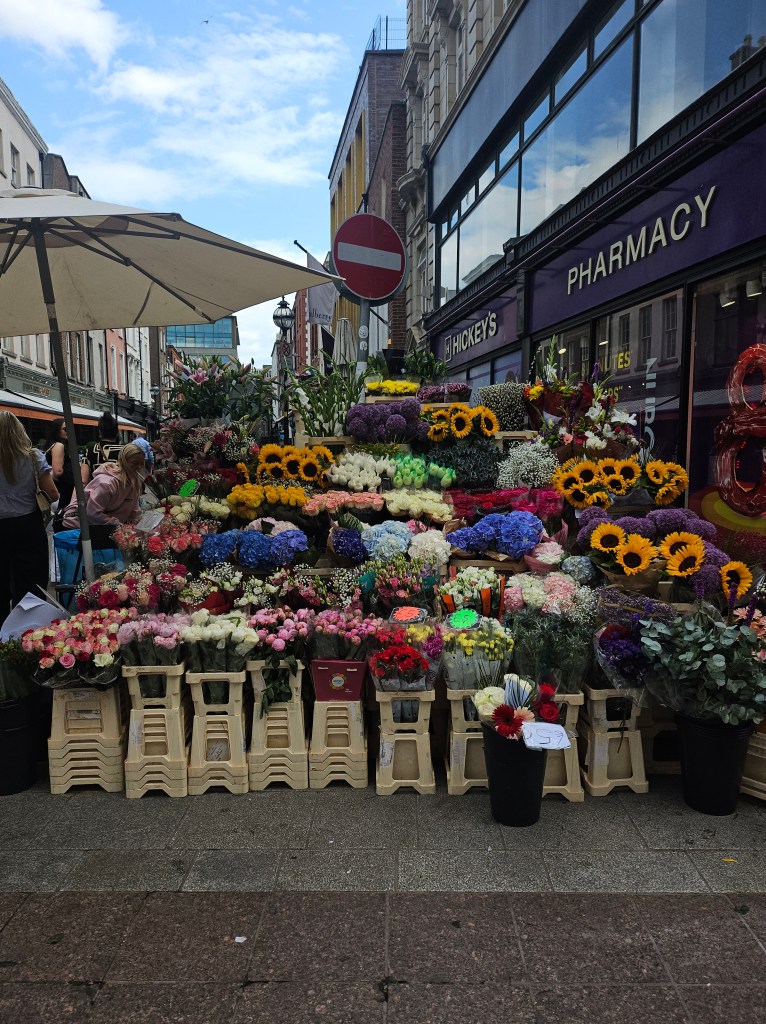
The first day in Dublin was blurry: fighting to stay awake, we spent most of the day on foot seeing the great sights without really processing them. My overall impression was of a place that echoed both London and Edinburgh in its architecture (a lot of Dublin’s buildings are from the Georgian period) and yet lacked some of its contemporaries’ lustre. The problem seemed best summarized by the fact that Dublin’s resident see-and-rub-for-luck statue (compared to, say, Edinburgh’s beloved Greyfriars’s Bobby) is a dead-eyed statue of Molly Malone, a reference that seems pure enough, until you learn that the custom is to touch or grope the statue’s well-endowed bosom, left mostly exposed by the customary outfit of the poor of her era. Funny in a juvenile way, some might think. But I watched a gaggle of teenage boys gleefully posing for a photo, and I saw one reach up to cover her mouth, and I could not find the humor.
For a historian of the early twentieth century, I am woefully unversed in some of the modernist literary giants, including Ireland’s beloved James Joyce. The time has not yet come for me to read Ulysses, but I brought a copy of Dubliners along and worked my way through it over the course of the trip. Joyce is resolutely focused on the lower-middle class in his stories, and his Dublin is oddly stagnant: a young girl plans to flee with her beau but loses her nerve; a man dreams of writing for a London paper but loses his nerve to ask for a position; a husband learns that his wife experienced a once-in-a-lifetime love before they ever met. Dubliners is set before the dawn of the Irish Republic, and the city feels more cosmopolitan now than it does in his stories, but there were still hints of that same stagnation in the city’s architecture and perhaps too in the sullen indifference we encountered in some of the staff at various stops. But then, later in the week, we watched a young man run after an errant soccer ball, retrieve it from a construction worker, and walk it back to two kids playing in a nearby yard, and I thought of the compassion with which Joyce portrays all these humble characters of his home city, and I thought perhaps I understood.

County Kerry & County Cork
My original plan for this trip had been to stick to the trains, which service most of the major cities across Ireland. But I realized the two flaws in this plan fairly quickly. One, while all roads lead to Dublin, they don’t also connect to each other: one might find that the fastest way to get from Cork to Limerick, for example, lay through Dublin on a given day. And two, while Ireland’s cities were worth seeing, people come to Ireland for its ruins, its mountains, and all the other things that are totally inaccessible by train. I was very scared to try driving on the left, but I figured I had a friend along, and that perhaps that would give us both courage. And actually, the left side wasn’t all that bad, outside of unlined spaces like parking lots. It was the roads themselves that you had to worry about.
We picked up our car from Dublin Airport on Friday afternoon and promptly plunged into rush hour traffic, which gave us a chance to adjust to the left-hand side at a snail’s pace. The further out from Dublin, the narrower the roads got, until we were on two-way streets that I was convinced were meant for cows instead of cars. But we arrived intact to our first destination: Tralee, the gateway to Ireland’s Dingle Peninsula.
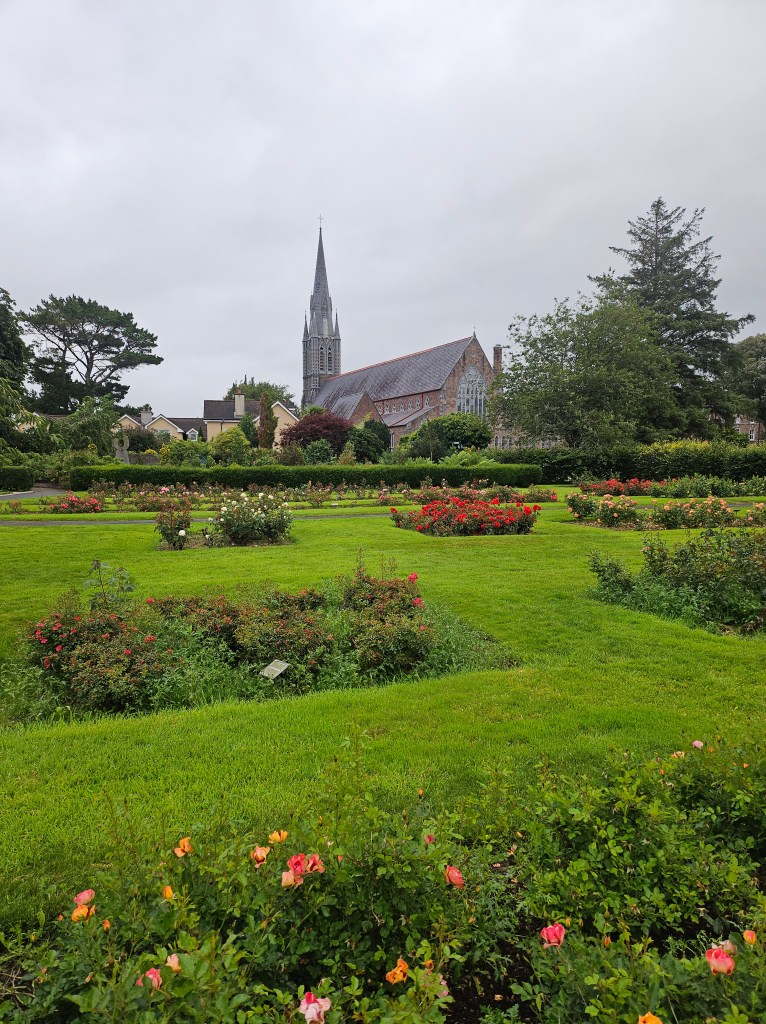
Of all the places we saw, Tralee was the least touristy – in Dublin it seemed that there were more Americans than Irishmen, but in Tralee we saw only a few tourists, and a few more folks who seemed to be visitors from other parts of Ireland. The town itself was lovely – they host a rose competition every year, and they had a magnificent rose garden nestled in an enormous town park – but the real reason to go is that Tralee is the launching point for the Dingle Way and the Ring of Kerry, two of the most scenic driving/cycling/walking paths in the area. We took the walking path out of town on Saturday straight to the sea, ringed in the mountains of the Dingle Peninsula, and on Sunday I braved the mountain roads to drive straight over the mountains to Dingle itself, a lovely seaport town where braver folk than I can take boats out to go see the local dolphins. More entrancing than the town itself were the views, however, and so after lunch we hit the Ring of Kerry again to visit Killarney National Park (a town I knew thanks to the song “Whiskey in the Jar”). The park features formal gardens, mountains, a lake, waterfalls, and the ruins of an abbey and a castle: pretty much as much Ireland as can be crammed into a 25,000 acre space. We particularly liked the red deer, which used to roam across Ireland and now can only be found in the park, but we were most grateful for the warm soup served up by the castle – it was freezing.
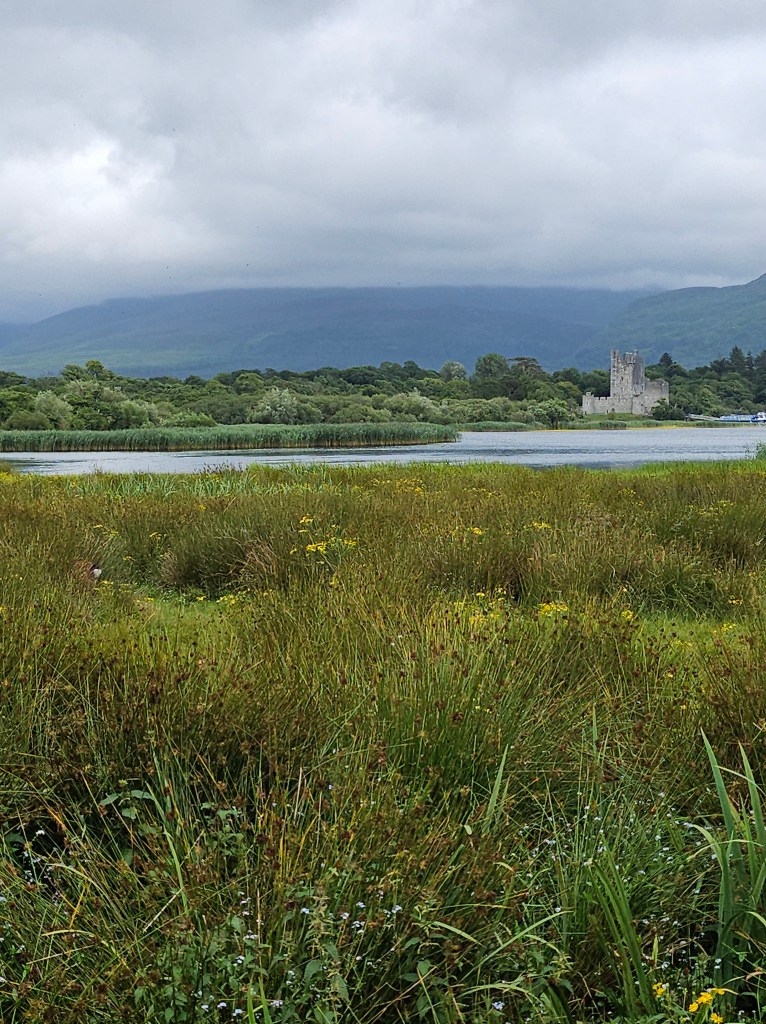
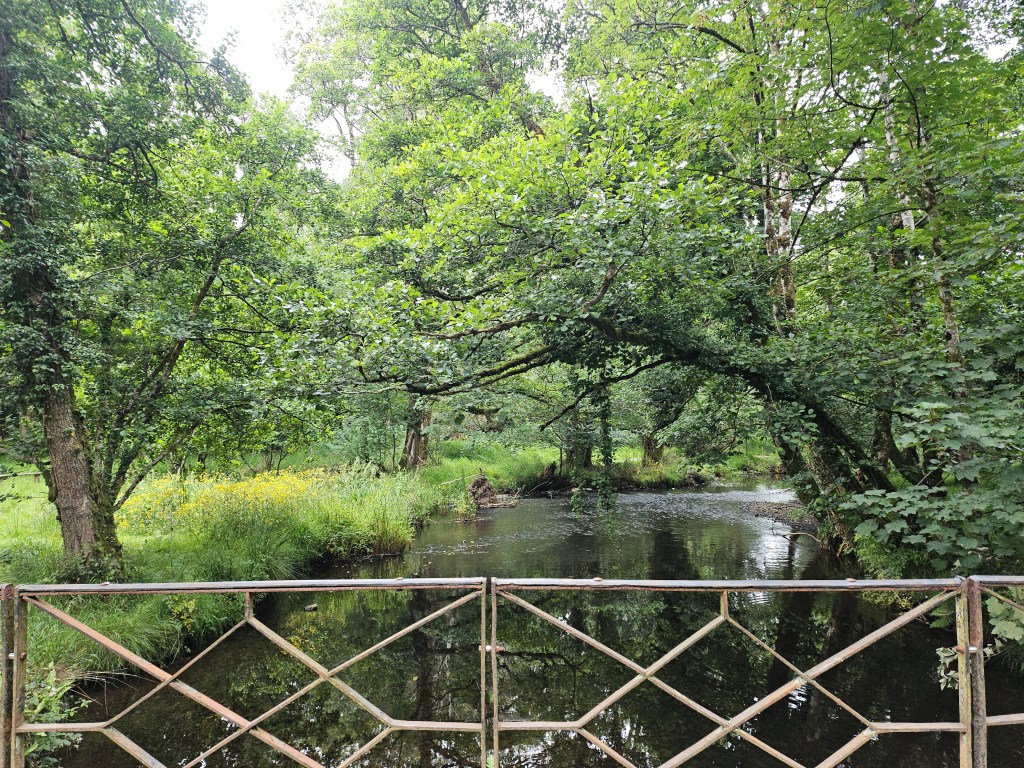
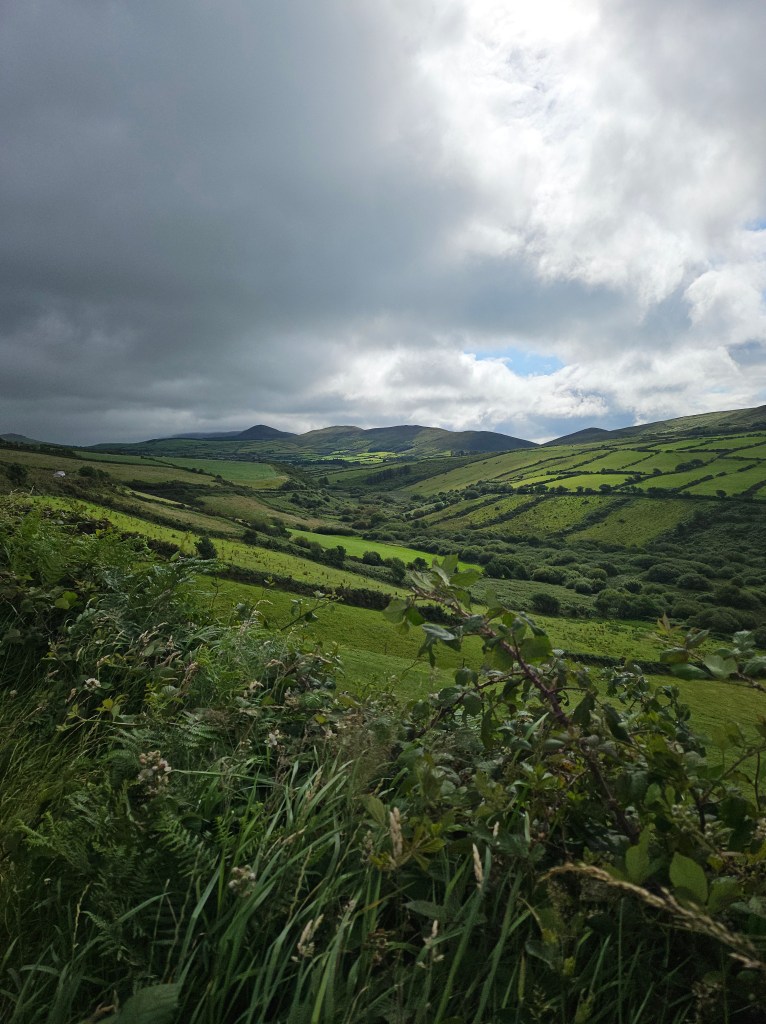
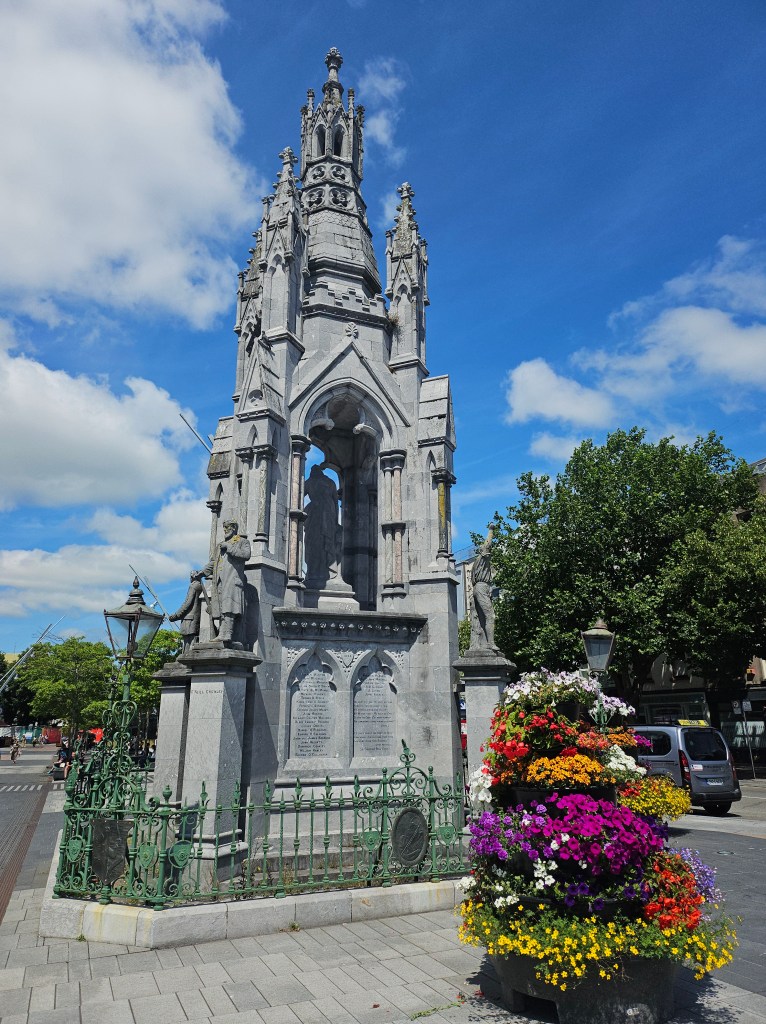
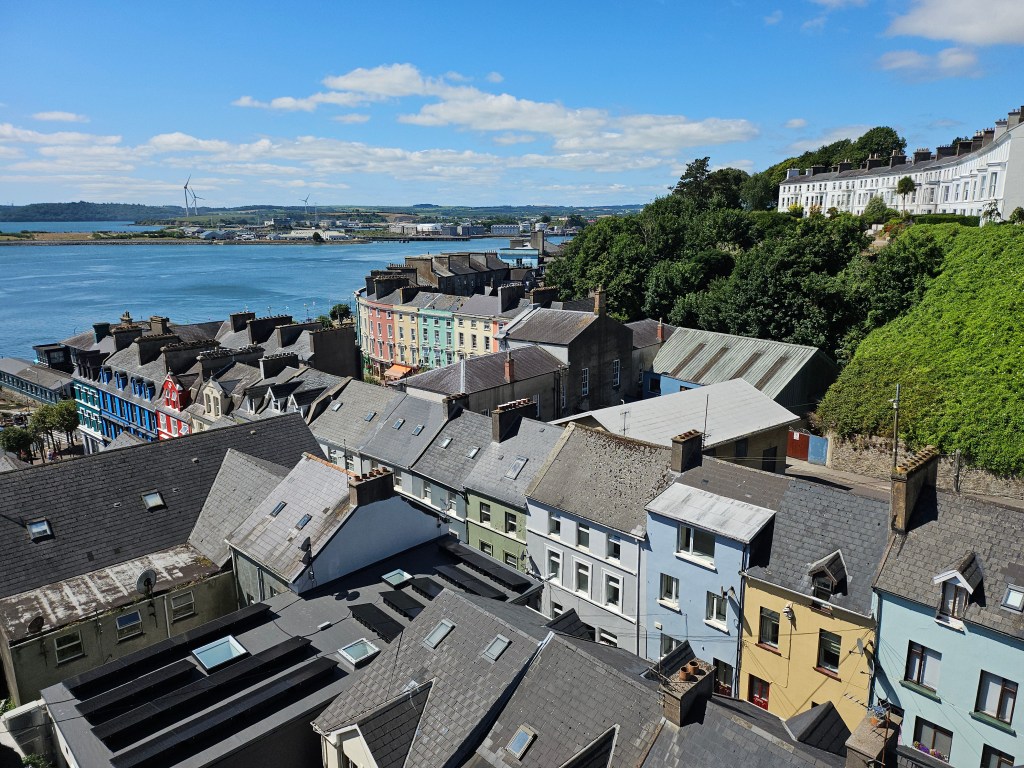
Like Scotland, a lot of Ireland’s famous castles are in ruins because they were destroyed by the British, who are the constant shadow hanging over the landscape. This was particularly apparent when we left Tralee the following day for County Cork. Our first stop was Cobh, a seaside town with a dramatic history (it was both the last port of call for the Titanic and the rescue point for survivors of the Lusitania), which has managed the transition from fishing town to seaside resort fairly elegantly. But Cork, which seemed on paper a larger version of Cobh and which I expected to like, I found totally banal. The latter is full of beautiful canals and bridges, with a compact downtown area, and yet we saw hardly any shops that you would not find – dare I say – anywhere else in the global empire that Britain has left to the world. There was a single monument to the heroes of four revolutions: 1798, 1803, 1848, and 1867, with a plaque added at the bottom to acknowledge those who had fought in the Irish Civil War/War of Independence (1916-1922). But it felt, largely, like a town stripped of its history – which it was, literally, during the War of Independence, when the center of the city was burned to the ground by the British. (The destruction was the point: Irish firefighters reported that British soldiers actively prevented them from fighting the fires). The city has been rebuilt – but even now, one hundred years later, it feels like something is missing.
Revolutionary monuments like the one in Cork were common – but somewhat surprising to me, in that they highlighted the earlier revolutions over the Irish Civil War itself. I had been hoping to find a few World War memorials, and that was nearly out of the question, an outcome that I might have expected, given that the Civil War consumes the memory of global war in that period. But the fixation on the earlier revolutions made me wonder about the incomplete status of Irish independence today. You can still find IRA graffiti pretty much everywhere, but actual references to the Troubles or later chapters in the fight for independence are conspicuously absent from the landscape. 1916 is the year the museums focus on; in the tourist shops, many shirts date Ireland (and Dublin – Dublin!) from the year 1922. But it does not feel like the wound has healed. Rather, it feels like one version of the story is being hammered in place, plastered over whatever else might be there. “Don’t forget to remember,” read one sign in Cork. But that sort of sign usually suggests that there is a lot of forgetting underway already.



It’s a Long Way to Tipperary!
We spent the next two nights in Tipperary at a little Bed and Breakfast, having wanted to try the experience just once. I picked Tipperary, of course, because of its fame as a song of the Great War, although that song was written by an Englishman and the town has spent the last thirty years giving out a Peace Award to try and counter the associations the song has left it with. (Perhaps in acknowledgement of its unwilling fame, the town has also put up a monument to the song).

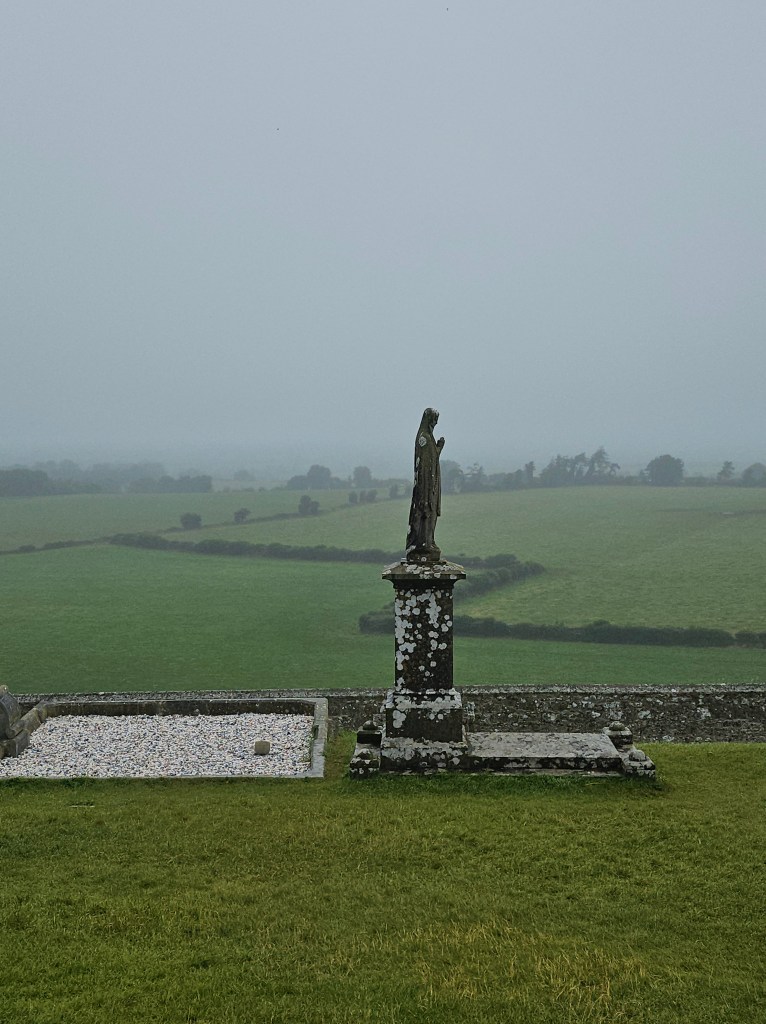
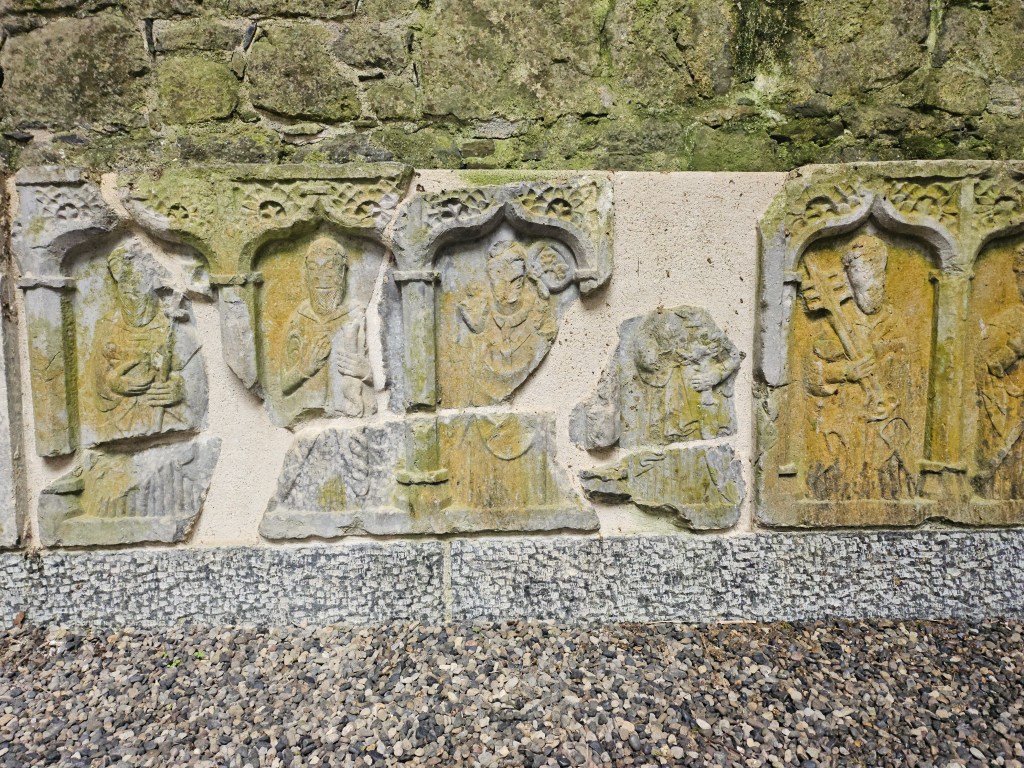
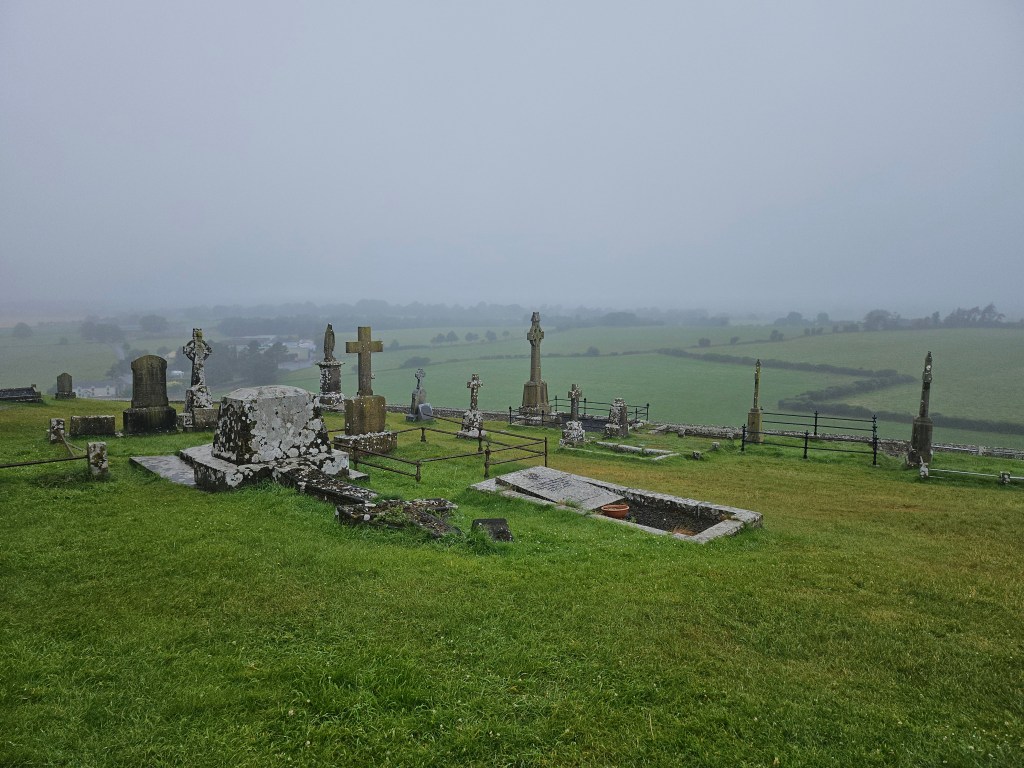
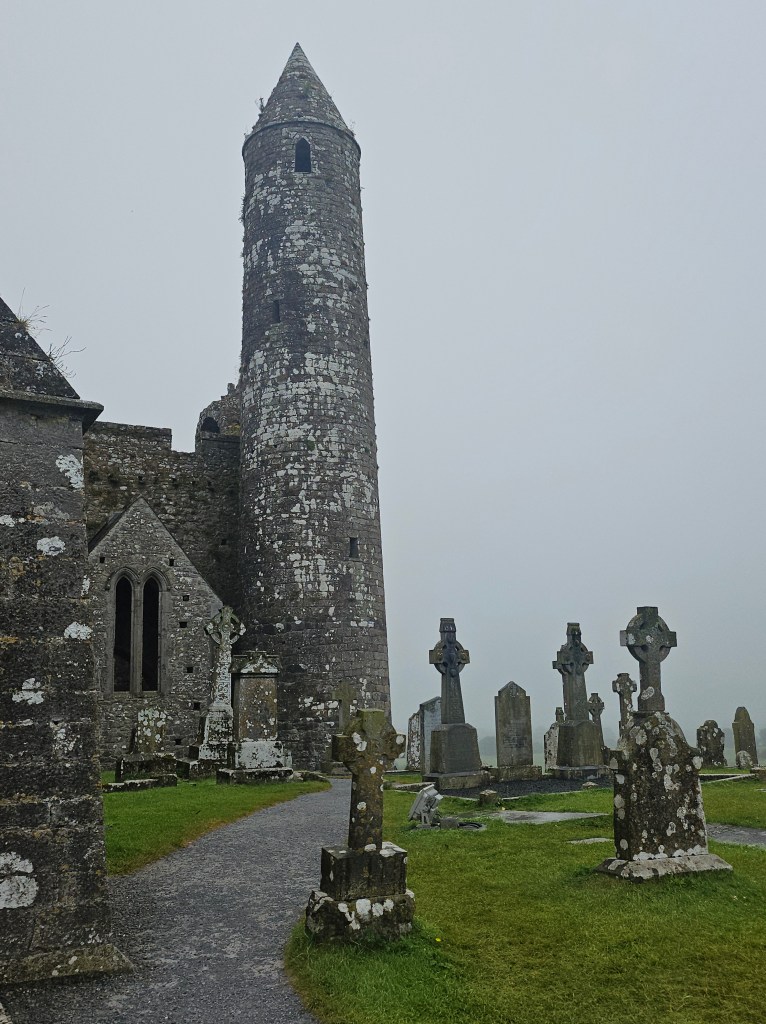
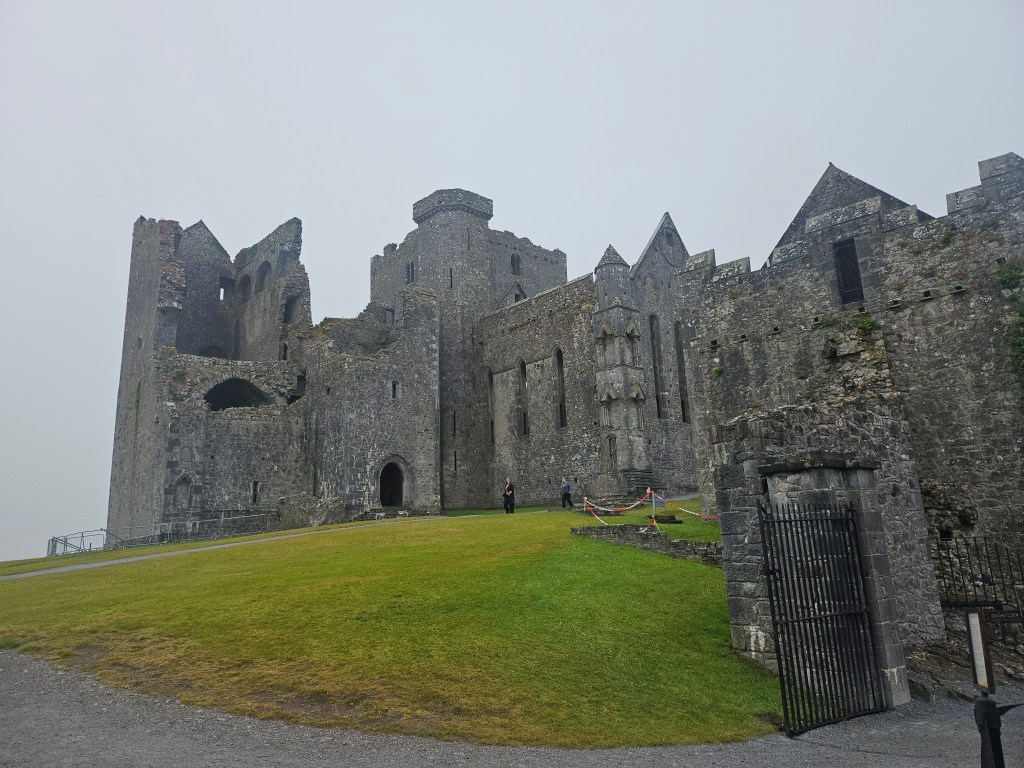
Our hosts, an elderly Irish couple, had very helpful recommendations to show us the best of the county: mostly ruined castles, all of which had fallen in Cromwell’s time, but which preserved different aspects of Irish history all the same. We visited the Rock of Cashel first, one of the oldest castles in Ireland, although the current structure dates only from the 12th century. According to legend, it is there that the King of Munster converted to Christianity all the way back in the fifth century. Now, it serves as one of the best extant examples of Celtic art: a heartbreaking statistic, given how little of that art survives on the castle’s walls and in a small amount of preserved furniture.
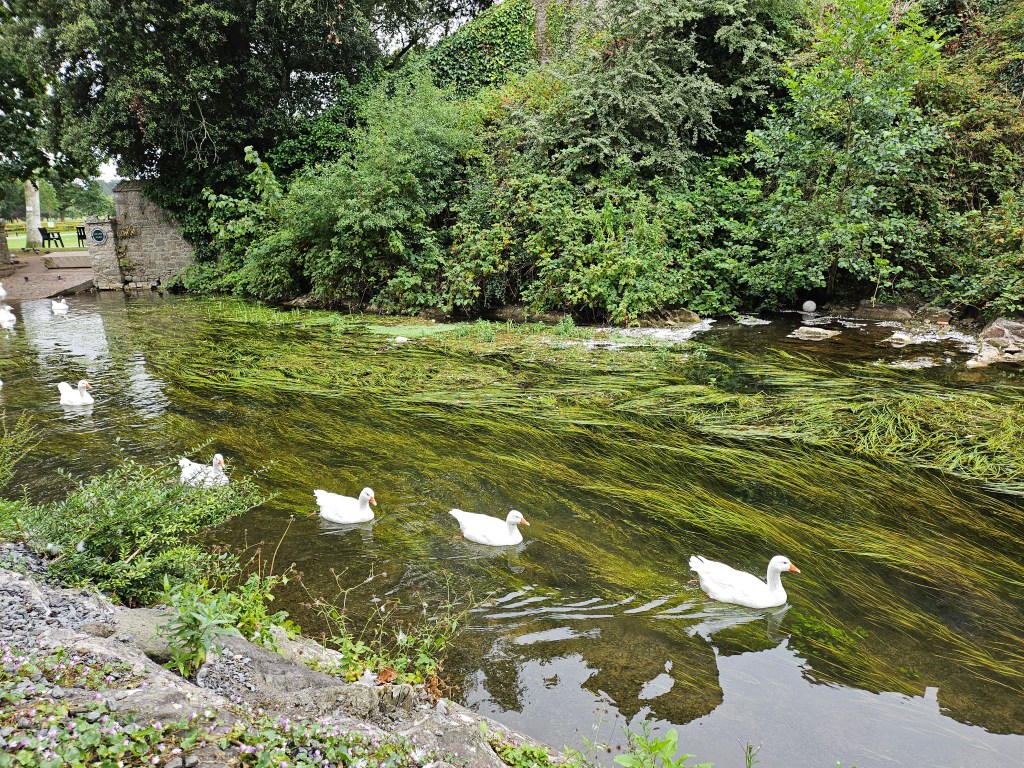
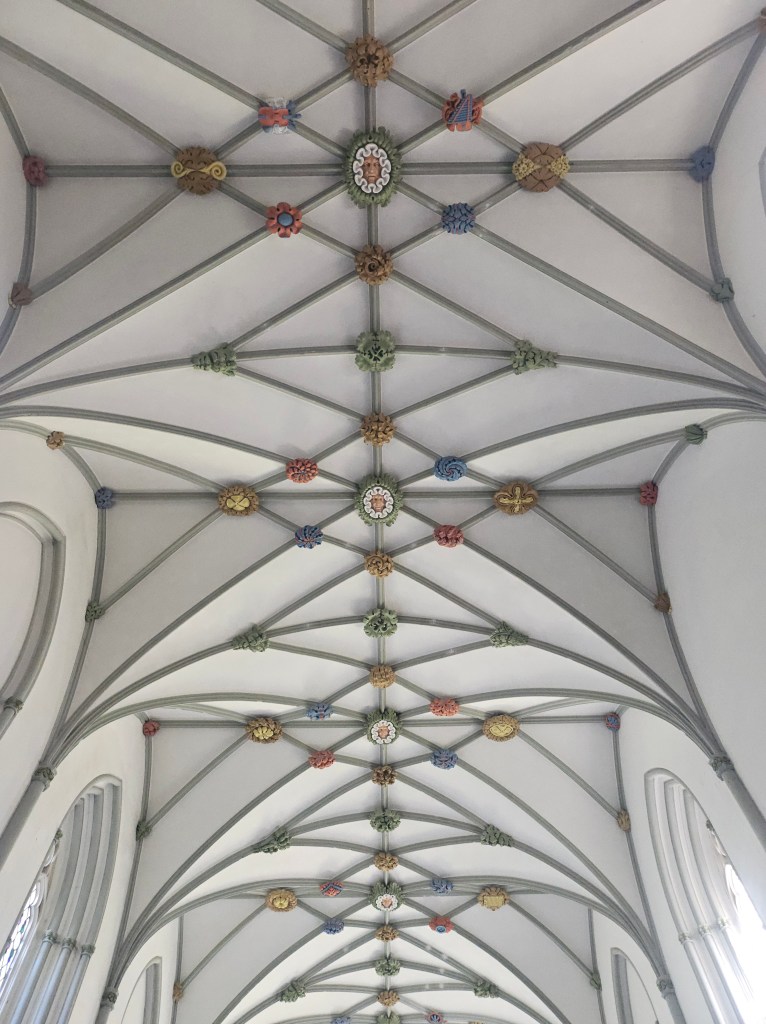
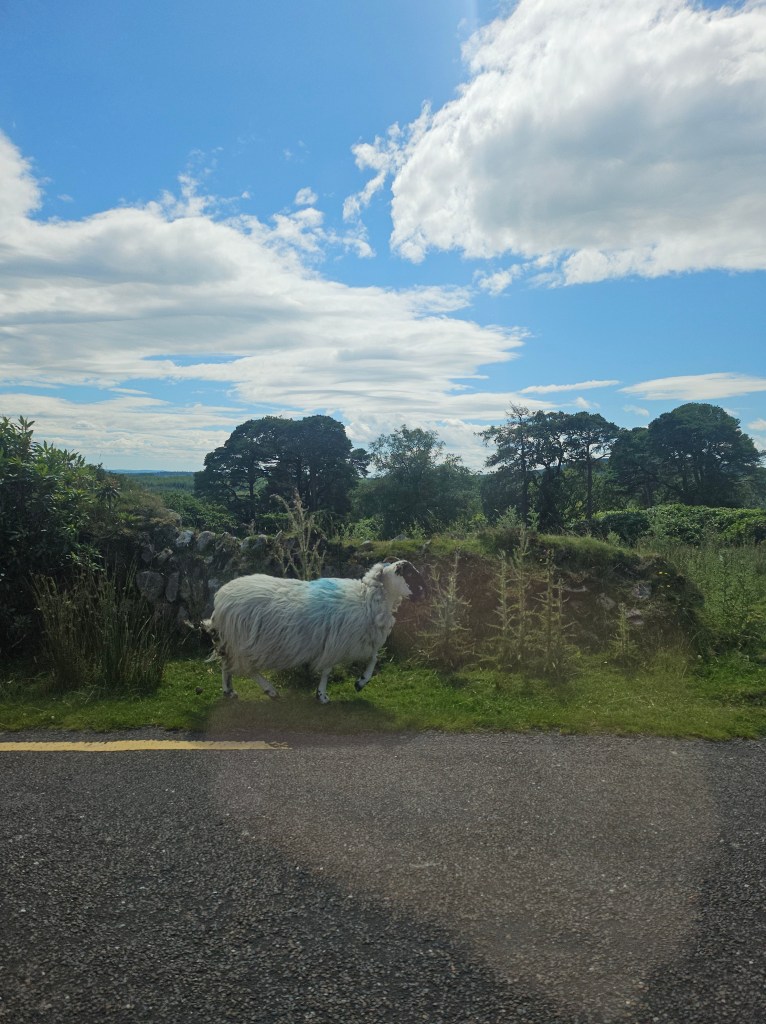
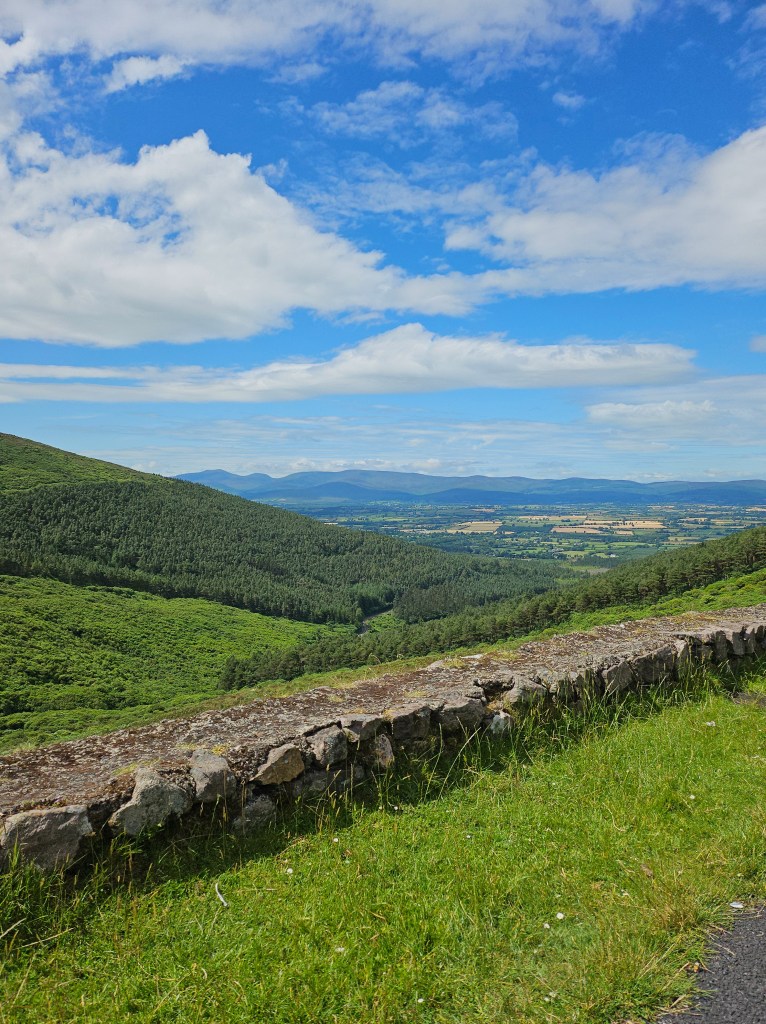
While the Rock is fully in ruins, Cahir Castle to the south is probably the most filmed castle in Ireland – from the outside, where it is framed by the River Suir and a resident gaggle of geese. The inside holds nothing but stone, another common theme that we noticed across the country: even when the stone survived, the castles have been stripped of all that was inside. We enjoyed the walk along the river and most especially the geese, but soon enough we set out to Lismore, the third of our host’s suggestions. To get there from Cahir, one has to drive “The Vee,” an extremely sharp mountain pass that also features a loose flock of sheep wandering the roads. An authentic Irish experience, one might say! We missed the gardens and castles there, having arrived too late in the day, but we had a lively conversation with the local heritage staffer (she had, for many years, lived in the Bronx) and the local cathedral, whose ceiling was a delicate design of colorful flowers.
Our hosts caught us on our way back in that evening and invited us for tea, where we were joined by several of their friends in town and a visiting Australian, researching her family history. One of the most fascinating aspects of this trip played out there: while I do have some Irish ancestry on both my grandmothers’ sides, I’ve never thought much of it – as far as I know, they left during the Great Famine and did not look back. But genealogy is a huge industry here, and over and over again people asked if I had Irish ancestry, if I knew where my people were from, if I wasn’t interested in doing more research on them. At least one commented that she could “see” my Irish heritage, which I found implausible – after all, another chunk of my genetics come from Eastern Europe, where people also have fair skin and light eyes. It was as if no one could imagine another reason for our being there. But I did not know how to tell them that I have never really wanted to do all that much research on those ancestors, whoever they were. The entry ticket to American whiteness, James Baldwin once noted, was to leave one’s past at the gates of Ellis Island. For good or for ill, that bargain is part of my heritage. But why was I not more curious?
Perhaps it had to do with the same reason I have not felt pulled to research the members of the Jewish side of my family, either. In that case, I have a rough outline of what happened: most of them died or escaped Eastern Europe as refugees to live elsewhere. Such is the story of most of human history: people move in search of food, in search of safety, in search of opportunity. My ancestors set their fortune with their new homeland in America, and I have done the same. They probably did so because there was food in America, there was opportunity, there was a chance to be free from British colonial rule and its constant rape of Irish land. And not everyone had that chance – for all I knew, the ancestors of my dinner companions had wished to flee but been unable to do so. The following day, we would stop in the village of Corofin in County Clare, where some of my maternal grandmother’s family had come from. “Your people,” one of the guests at the B&B had called them. I looked, but I did not see myself there.
Talk ranged back and forth over tea, dancing around current American politics every twenty minutes or so. Like most non-Americans that I have encountered, many of the people at the table were better informed about American politics than many Americans are. The stakes are high for our international neighbors, after all – higher than they may seem to those at home, and higher specifically for Ireland, where we have maintained such close cultural ties. (One of our companions was horrified to learn that the Australian guest did not know The Pogues’s “Fairytale of New York”: he pulled out his phone and played it right there at the table). I answered their questions because I wanted to set the record straight that Americans, too, have diverse and informed opinions about the current situation, but I was relieved when the conversation wandered away again. Maybe people look to their European heritage as a way to shed some of the ugly Americanness that has made us such unique characters on the global stage. But in spite of everything, my instinct is still to defend my country, and not to reject it.

Galway Bay
There is a curious trust in Ireland that allows you to fill the gas in your tank before you pay for it, a practice which I, as an American, could not wrap my head around. Even stranger to me was the fact that our B&B host would not let us pay until the moment of our departure: we had not put down a deposit in advance or anything. It symbolizes a kind of resolute generosity: we will put our trust in you, and in return you will act decently. We left Tipperary mulling this over; we had much more cause to consider its implications once we reached Galway.
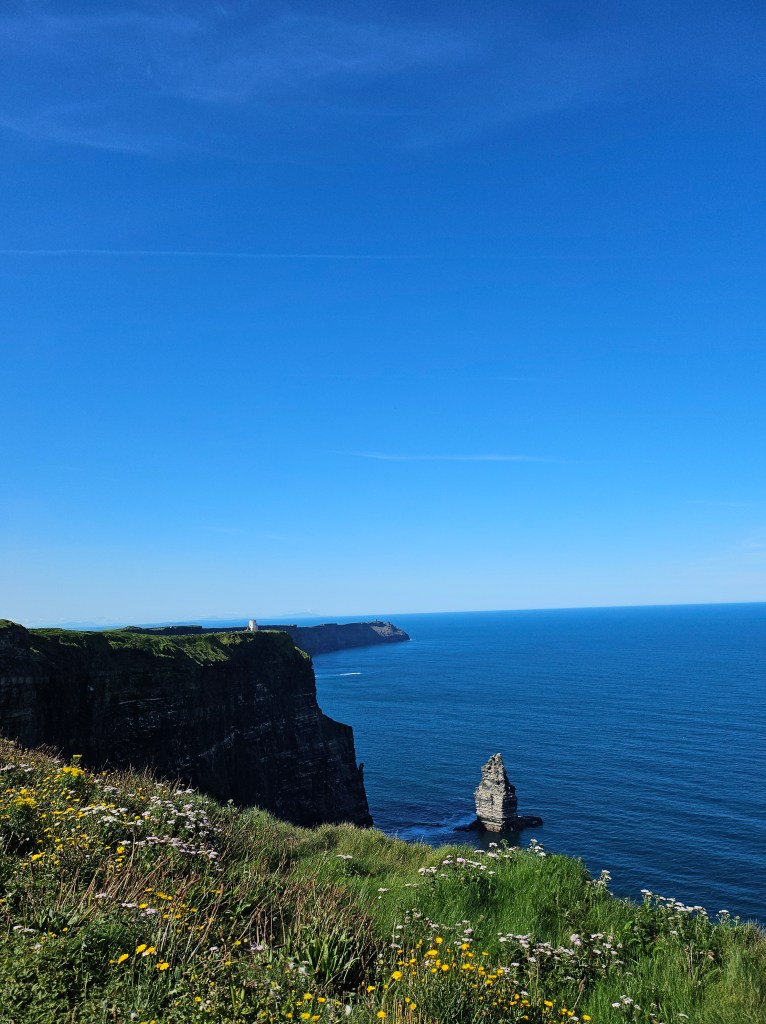
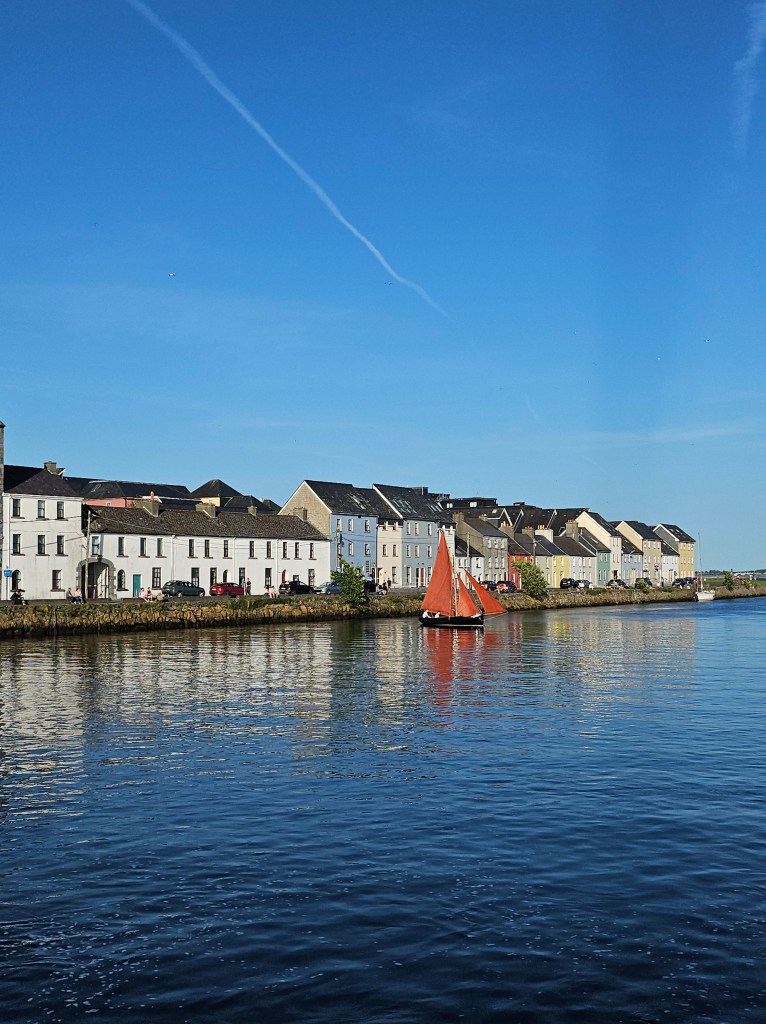
On our way back west, we made our way briefly through Bunratty Castle & Folk Village, a charming place that felt sort of like a Renaissance Faire built on the actual site of a former medieval village, and through Limerick, where we decided we’d had enough castles and just walked along the river Shannon instead. We landed in Galway that evening, probably my favorite of all the cities we saw: rivers in every direction, bridges and canals and an open bay that kept even the tight streets of the Latin Quarter from feeling too choked. The next morning we drove out to see the Cliffs of Moher (better known to many as the Cliffs of Insanity in The Princess Bride), where there were no ruins or colonial takeovers to mar the natural beauty of an organic wonder. I found that throughout Ireland, much as I love the view of the castles, that I preferred the latter.
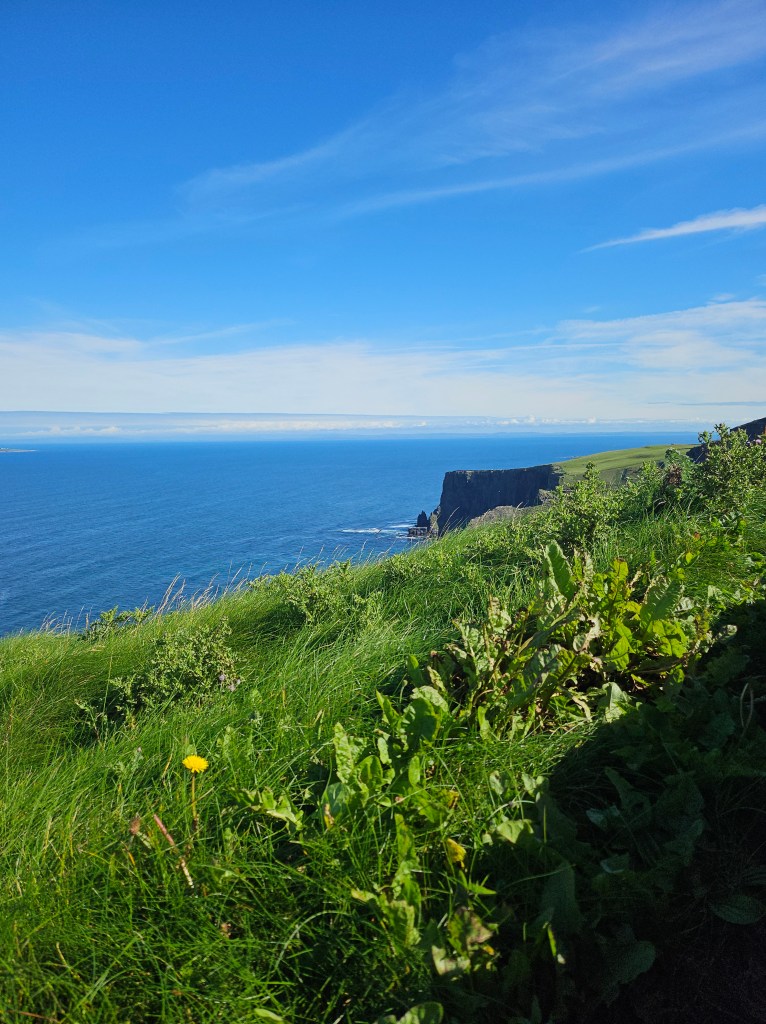
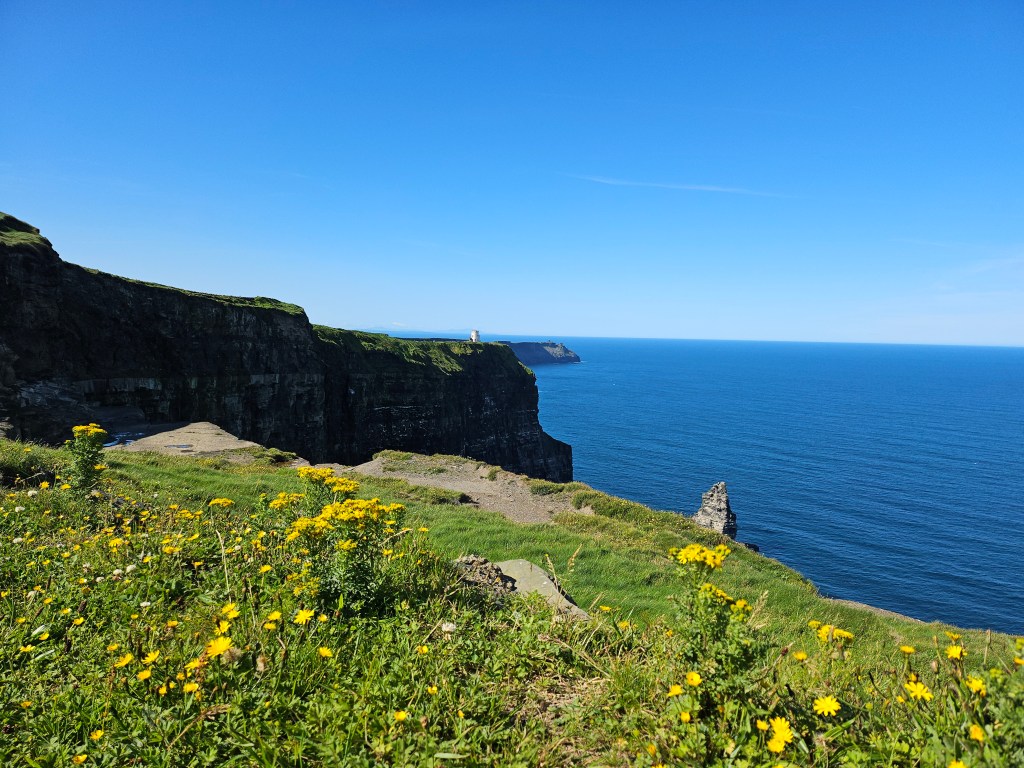
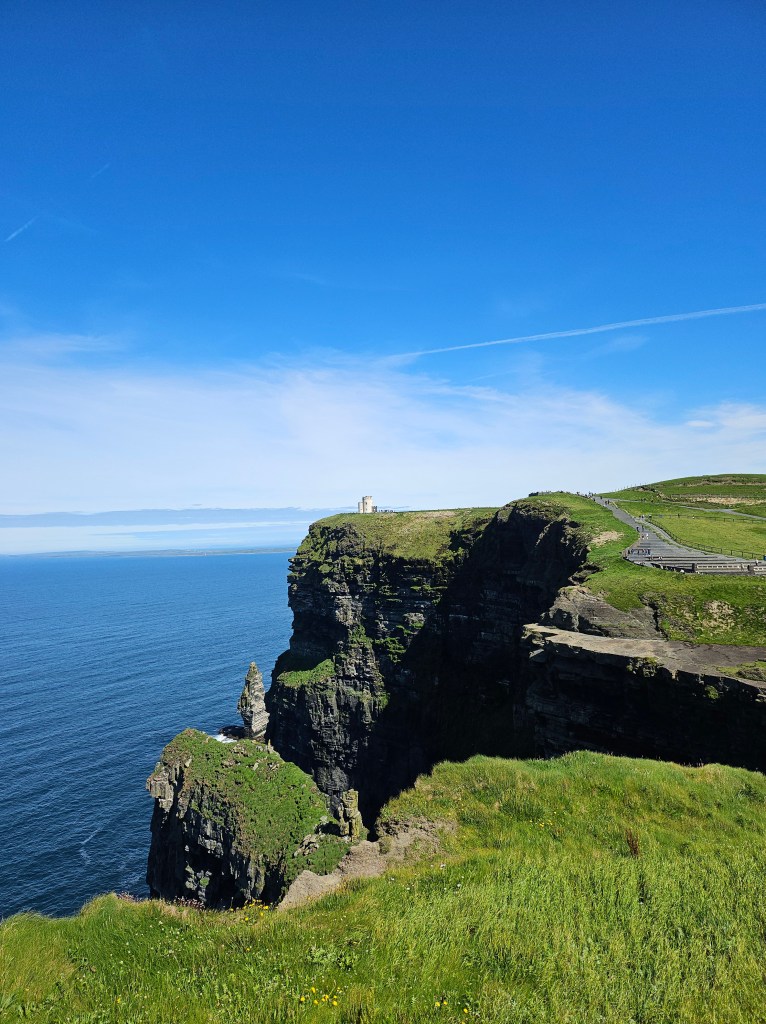
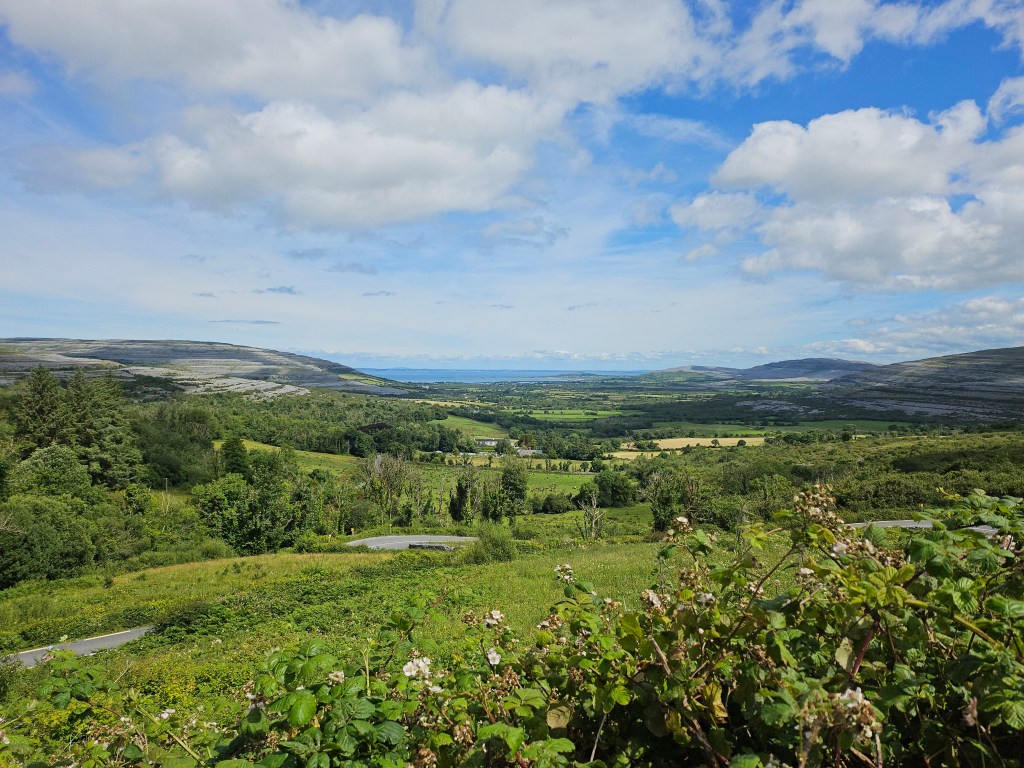
We had a handle on the whole narrow roads, left-side driving thing now, we agreed, heading back from the Cliffs. I even successfully managed to pull off at a narrow viewing point on Corkscrew Hill, where we admired the view and then successfully backed onto the road and set for our final descent towards Galway, confident that the worst driving was well behind us.
And then the front tire blew out.
Neither of us is certain what exactly happened: it was a turn no narrower than the rest we’d been fielding, there was no rock in sight. Yet it must have been a rock that we hit, for it the blowout was sudden and immediate. Luckily, a makeshift pullout was nearby (and we had been driving around long enough to know that this was not always the case) and so I pulled over and stopped to take stock of the situation.
The good news: both of us are relatively calm in a crisis, and so we checked to make sure we had all the tools we needed, found the numbers to call for roadside assistance, and, when my phone suddenly decided it could not call Irish numbers but was fine with American ones, called my poor father at 7am or so local time, who proceeded to walk us through the steps involved in changing a tire. (We later learned that it was also to our good fortune that we had a spare tire – the folks at Budget told us that many new makes don’t bother anymore). Both of us had theoretical understandings of what the procedure was, and we had gotten all the way to jacking the car well off the ground before we discovered the bad news: we are not very large people.
The scope of the problem was made clear when, attempting to use the wrench to get the nuts off the tire, I stood on said wrench and jumped up and down on it a few times and… nothing happened. Defeated, my father told us we’d have to flag down a driver for help. And it was at this point that the luck of the Irish kicked in, only our saviors were not Irish at all.
For those of you worried about the youth these days, let this be a small reassurance to you. Having ascertained that we needed help (we later learned that they had passed us, reconsidered, and turned back), out of the car stepped four students, college-aged or a little older. Waving aside our attempt to just ask for a phone, the oldest took the wrench from me and, reassuring us that he had “a hundred and twenty kilos or so” to bend to it, proceeded to get the first screw off in one fluid motion, like it had been greased with butter. He then produced what must have been at least a four-foot-long pipe from his car, explaining that he kept it in the trunk for just such a purpose after a mechanic had screwed his caps on so tightly that even he could not get them off. Give me a lever and I can move the world, as Archimedes said. The tire was off in minutes.
They were students from Croatia, we learned, as one went to the back to retrieve our spare, two set to restarting the jack, and another translated the occasional phrases they were tossing back and forth, working so fluidly that you’d think they did this all the time. The oldest had come to Ireland six or seven years ago to study and was still studying, another had come later, two more were in town for the week and the first two had been showing them around. They spoke English with an Irish lilt: “that’s barely a wheel,” one had commented when he saw our spare, to which another responded, “it’s a feckin’ wheelbarrow.” While the oldest said he wanted to go back to Croatia as soon as he’d finished his studies, they clearly cared for this little country they were in. They joked about its roads and the ubiquitous tractors that help make driving so complicated, and they were keen to make sure we enjoyed our stay and got on our way again. And we did: in less than twenty minutes, we were set to go, armed with instructions not to push the wheel over 60 kilometers an hour and the promise that as long as we drove “like one of the tractors,” we would make it back to Galway in one piece. So we did. In Galway I finally reached the car company and got the car into a mechanic, dusty and sunburned but no worse for wear.
It was a genuine display of chivalry, that word which calls to mind the medieval tales of England and Ireland alike. They were helpful without being condescending, happy to educate without trying to lecture, generous without expecting anything in return. If that is what the Ireland of the present can offer its neighbors and its visitors, then it is a fine country, indeed. And now I know that we should all keep pipes in our trunks, just in case.

Dublin, Part II
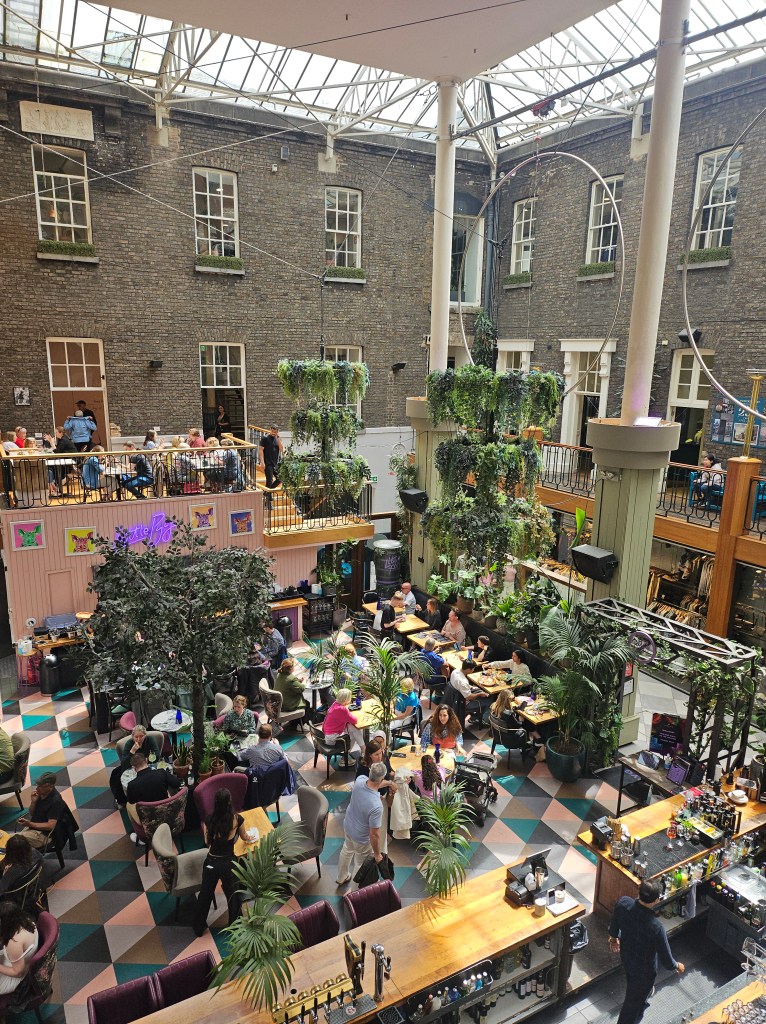
We dropped the car back at the airport on Friday and spent the afternoon and our last day, Saturday, in Dublin, where we suffered through an Irish heatwave: 80 degrees and straight sunshine, more than the city (or we, it turned out) could handle. Our best find of the weekend was Kimchi, possibly the only Korean Irish Pub in existence, which offered a very entertaining combination of excellent Korean food served by impeccably dressed young Korean men and a wide variety of Irish beers served at the bar by wizened Irish bartenders. The two seemed to understand each other perfectly, and I don’t know what either of them thought of the 2000s American pop music playlist. Multiculturalism at its finest!
On the flip side, the heat drove us inside to sites that I found disappointingly underwhelming. Our first stop was the Irish National Gallery, where one can again draw a comparison to Scotland: it struggles with the fact that the Empire poached their best talents and often kept them far from home. Still, I thought the Scottish National Gallery did a better job of collecting what they had to make an interesting display – they have a lovely series of paintings all focused on different ways of depicting Edinburgh, for example, that the scattered paintings of Dublin across the Gallery’s first floor could not match in either visual impact or narrative coherence. For the hundredth time that week, I found myself wondering: can one blame the Irish for this? Or were they stripped too often and too thoroughly of their resources to hope for a recovery?
Most jarring of all, however, was St. Patrick’s Cathedral, heart of Catholicism in Dublin, which is the first cathedral that I have ever seen to put its gift shop in the nave of the church. I have nothing against church gift shops in general, nor against ones on the ground floor, but to have one in the open center of a church, in a space intended for worshippers, seemed appalling even in this decadent age. I wondered if it spoke to the tyranny of the church in Ireland, as some Irish critics (Joyce among them) have singled out, or whether it reflected the realities of an era with diminishing church membership and ever-increasing tourist visits. (It does seem worth noting here that Christ Church, the Anglican cathedral, has their gift shop in the basement).
What to make of such a country, with so many things packed into so little a space, yet with so little to show for so much history? Irish culture is known the world over, and much of Dublin felt familiar to us as soon as we arrived because we have seen Irish pubs pretty much everywhere else we’ve ever traveled. Yet it seemed that the country was most moving when it did not attempt to market itself at all – when people were kind and decent to us because that is how they are. I will remember that much longer than the churches and the galleries and the castles.
Bookstores, for the Curious
For a country that has produced so many internationally beloved writers (Joyce! Wilde! Heaney! Stoker!), I was a little surprised at the bookstores in most of the country, which were largely somewhat generic or lacking in stock. By far and away the best of all of them, the Dublin Hodges & Figgs, features three stories of books and a whole half-floor devoted to Irish literature and history – but it’s owned by Waterstones, the British book company.
Some of Dublin’s smaller stores had lovely offerings for specific goals: Ulysses Books sells mostly rare and first-edition copies, but it’s charming to see their homage to Joyce; Temple Bar Books has a much more eclectic (and less expensive) collection of old books and vintage postcards (both used and blank); The Winding Stair offers what must be absolutely spectacular old bookish vibes… when it’s below 80 degrees outside.
The same store might also vary from location to location. We tried O’Mahoney’s first in Tralee, where it was roundly underwhelming, but we visited their central shop in Limerick and made some good finds. This trend applied to other types of stores, too – we were bewildered by the changing levels of quality in Kilkenney Design Stores, for example, and the changing offers from the Dunnes Department Stores across the country. It’s worth visiting multiple cities in Ireland just to see what stays constant and what doesn’t!
Title of course taken from The Rocky Road to Dublin, perhaps my favorite of all the Irish folk tunes.
 Much That Is Fair